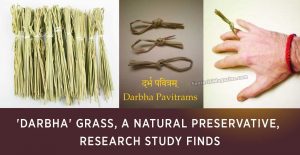
‘Darbha’ grass, a natural preservative, Research study finds
Darbha (Desmotachya bipinnata) is a tropical grass considered a sacred material in Vedic scriptures and is said to purify the offerings during such rituals. Traditional

Darbha (Desmotachya bipinnata) is a tropical grass considered a sacred material in Vedic scriptures and is said to purify the offerings during such rituals. Traditional
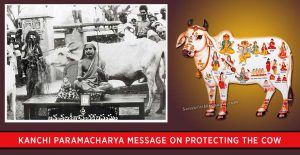
by Sri Chandrasekharendra Saraswathi Swamigal Protection of cow is a dharma that can be performed by people of all communities in the world. It is a

By Vaijayanti Mala Devi Dasi When my son went to India and met an elderly lady, he offered his obeisances and seeing this the lady started
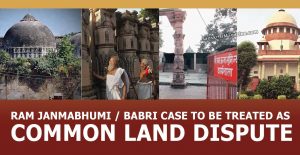
Remember the time when Indian streets used to get deserted to watch Ramanand Sagar’s Ramayan and flock in homes with television sets? Indians still have

The Supreme Court is likely to resume hearing on a batch of cross petitions against the Allahabad High Court verdict. The Supreme Court is likely
In the past, a section of politicians compulsively approached imams on the eve of elections. It was considered an acceptable practice given the hold of


Bhadrapada begins today in North India, opening a lunar month that moves from the midnight

The 12 Jyotirlingas of Lord Shiva — where each stands, its sacred story, and how to make the Dwadasha Jyotirlinga pilgrimage in person or in spirit this Shravan.

The Rudrabhishek is the abhishekam said to please Lord Shiva fastest. What it is, the meaning of each sacred substance, the Sri Rudram, and how it is performed at home this Shravan.

Shravan runs July 30–Aug 27 in 2026, with four Sawan Somwars (Aug 3, 10, 17, 24). Why the whole month belongs to Mahadeva — the churning of the ocean, the poison He drank, and how to keep the Sawan vrat.

Thiruvonam 2026 falls on Wednesday, August 26 — the crown of Kerala’s ten-day festival. The Bhagavata story of King Mahabali and the Vamana avatar, and why Onam is a homecoming, not a defeat.

