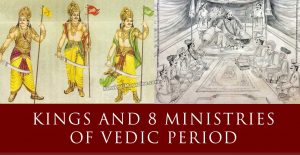
Kings and 8 Ministries of Vedic Period
Vedic people were not primitive. They were more civilized than any other race of that period. The rules and regulations stipulated for the king and

Vedic people were not primitive. They were more civilized than any other race of that period. The rules and regulations stipulated for the king and
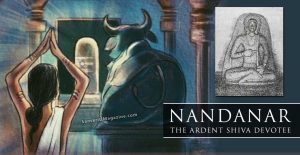
There was, during the thirteenth century, a group of devout Shaivite saints called the Nayanars. They loved Lord Shiva with all their hearts and were

Many consumers are completely unaware of the support they lend to cruel practices by their purchases and the selections they make of food and clothing.
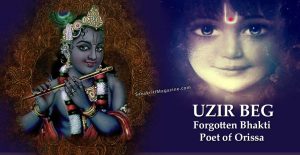
The Culture of Orissa, Jagannath Culture, is based on the non-sectarian ideology that welcomes every religious and non-religious believer to its fold to receive the
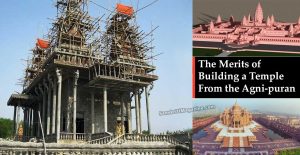
Agni-purana, Chapter 38, Texts 1-50. | From Manmatha Nath Dutt’s “A Prose English Translation of Agni Puranam”, Vol. I, (Calcutta, 1903), pp. 142-6; adapted by M.
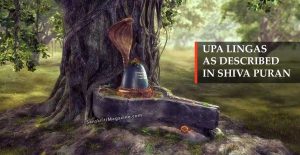
While describing The Upalingas at the beginning of Koti Rudra Samhita, Suta Muni explained the Upalinga which emerged from Someswara linga is Antakesh where Earth


Bhadrapada begins today in North India, opening a lunar month that moves from the midnight

The 12 Jyotirlingas of Lord Shiva — where each stands, its sacred story, and how to make the Dwadasha Jyotirlinga pilgrimage in person or in spirit this Shravan.

The Rudrabhishek is the abhishekam said to please Lord Shiva fastest. What it is, the meaning of each sacred substance, the Sri Rudram, and how it is performed at home this Shravan.

Shravan runs July 30–Aug 27 in 2026, with four Sawan Somwars (Aug 3, 10, 17, 24). Why the whole month belongs to Mahadeva — the churning of the ocean, the poison He drank, and how to keep the Sawan vrat.

Thiruvonam 2026 falls on Wednesday, August 26 — the crown of Kerala’s ten-day festival. The Bhagavata story of King Mahabali and the Vamana avatar, and why Onam is a homecoming, not a defeat.

