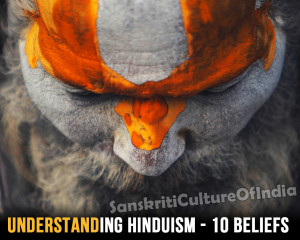
Understanding Hinduism – 10 Basic Beliefs
The basic beliefs of a religion are those that form the thoughts, feelings, actions and the entire attitude of its followers towards the world around

The basic beliefs of a religion are those that form the thoughts, feelings, actions and the entire attitude of its followers towards the world around

[hr] The peace-loving deity of the Hindu Trinity, Vishnu is the Preserver or Sustainer of life with his steadfast principles of order, righteousness and truth.
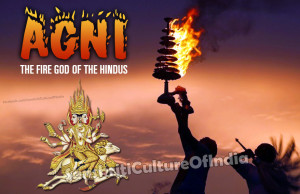
Agni, the god of Fire, is one of the most prominent of the deities of the Vedas. With the single exception of Indra, more hymns

Pradakshina (Sanskrit), meaning circumambulation, consists of walking around in a ‘circle’ as a form of worship in Hindu ceremonies in India. The devotees walk around
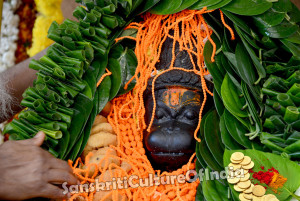
One of the most important puja items in Hindu rituals is the betel leaf. Known as tambula in Sanskrit, the word owes its origin to
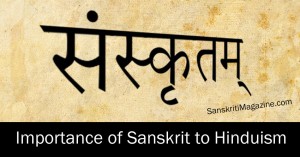
Hinduism and Sanskrit are inseparably related. The roots of much of Hinduism can be traced to the dawn of Vedic civilization. From its inception, Vedic


Bhadrapada begins today in North India, opening a lunar month that moves from the midnight

The 12 Jyotirlingas of Lord Shiva — where each stands, its sacred story, and how to make the Dwadasha Jyotirlinga pilgrimage in person or in spirit this Shravan.

The Rudrabhishek is the abhishekam said to please Lord Shiva fastest. What it is, the meaning of each sacred substance, the Sri Rudram, and how it is performed at home this Shravan.

Shravan runs July 30–Aug 27 in 2026, with four Sawan Somwars (Aug 3, 10, 17, 24). Why the whole month belongs to Mahadeva — the churning of the ocean, the poison He drank, and how to keep the Sawan vrat.

Thiruvonam 2026 falls on Wednesday, August 26 — the crown of Kerala’s ten-day festival. The Bhagavata story of King Mahabali and the Vamana avatar, and why Onam is a homecoming, not a defeat.

