
The Essence of Mahakarmah
महाक्रमो महाकर्मा महातेजा महोरगः, महाक्रतुर्महायज्ञ्वा महायज्ञो महाहविः. mahAkramo mahAkarmA mahAtejA mahoragaH, mahAkraturmahAyaGYvA mahAyaGYo mahAhaviH. The one who takes long strides is called Mahakarmah. It is

महाक्रमो महाकर्मा महातेजा महोरगः, महाक्रतुर्महायज्ञ्वा महायज्ञो महाहविः. mahAkramo mahAkarmA mahAtejA mahoragaH, mahAkraturmahAyaGYvA mahAyaGYo mahAhaviH. The one who takes long strides is called Mahakarmah. It is

The Katha Upanishad begins with the story of Nachiketa. There was in ancient times a very rich man who made a sacrifice which .required that

[hr] Hinduism abounds with stories of sacred animals as a divine being in animal form or with animal features. Most of these animals are pictured
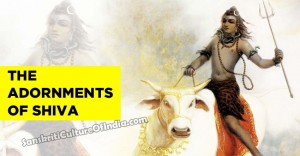
[hr] Shiva has always been referred to as Triambaka because he has a third eye. The third eye does not mean someone’s forehead cracked and
Many people consult a Brahmin priest before starting anything new. It may be the laying of the foundation of a new house or shifting to
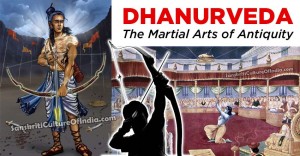
Anyone familiar with the great epics of Ramayana and Mahabharata can clearly notice that martial arts and various combat displays have been vital to the


Bhadrapada begins today in North India, opening a lunar month that moves from the midnight

The 12 Jyotirlingas of Lord Shiva — where each stands, its sacred story, and how to make the Dwadasha Jyotirlinga pilgrimage in person or in spirit this Shravan.

The Rudrabhishek is the abhishekam said to please Lord Shiva fastest. What it is, the meaning of each sacred substance, the Sri Rudram, and how it is performed at home this Shravan.

Shravan runs July 30–Aug 27 in 2026, with four Sawan Somwars (Aug 3, 10, 17, 24). Why the whole month belongs to Mahadeva — the churning of the ocean, the poison He drank, and how to keep the Sawan vrat.

Thiruvonam 2026 falls on Wednesday, August 26 — the crown of Kerala’s ten-day festival. The Bhagavata story of King Mahabali and the Vamana avatar, and why Onam is a homecoming, not a defeat.

