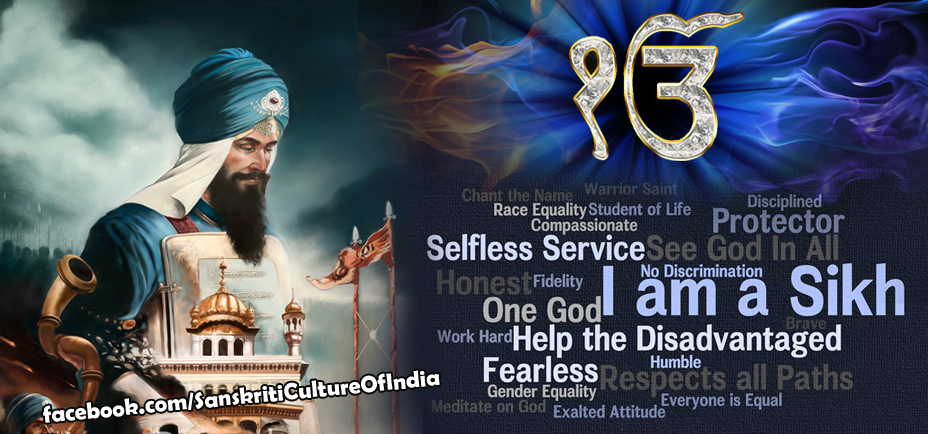
Sikhism is one of the major world religions founded in the 15th century in Punjab district of what is now India and Pakistan. It was founded by Guru Nanak Dev Ji and is based on his teachings called Sikhi, and those of the 9 Sikh gurus who followed him. Currently, there are over 20 million Sikhs worldwide and Sikhism is the fifth-largest organized religion in the world.
The word Sikhi is derived from the word “Sikh” that comes from the Sanskrit root word “Shishya” which means “disciple” or “learner” or “student”. This religious philosophy and expression has been known as Gurmat, which literally means the counsel of the gurus or the Sikh Dharma.
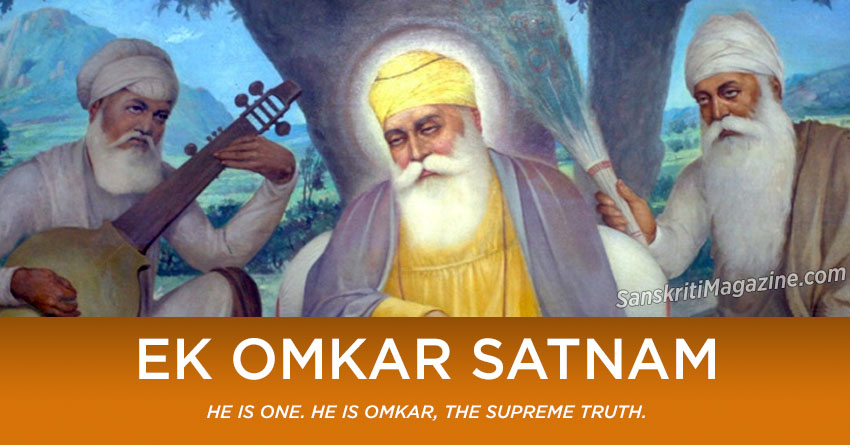
Sikhs believe that there is only one God, who is the Creator, Sustainer and Destroyer and is never born nor dies. The opening sentence of the Sikh scriptures is only two words long, and reflects the base belief of all who adhere to the teachings of the religion: Ek Onkar: “Ek” is One and “Onkar” is God – “There is only one God.”
The Main Teachings of the Sikh Gurus:
The teachings of the Ten Sikh Gurus (as well as other selected Muslim and Hindu saints and scholars) are enshrined in the Guru Granth Sahib, the holy book of Sikhs. These teachings propagate the following values:
to see God in everyone; understand and practice equality among all races irrespective of caste, religion, colour, status, age, gender, etc;
to remember God at all times; to always engage in Simran or “remembrance of God”, the primal being; virtuous, merciful, bountiful, fearless and Creator of everything; be always aware of His persona and behave accordingly;
to value and respect positive ideals like truth, compassion, contentment, humility, love, etc; (a reflection of God-like features)
to suppression of inner evils lust, anger/rage, greed, material attachment, ego, etc; (a reflection of anti-God features)
to aspire and engage in useful, productive, honest and peaceful life of a householder; to work diligently while holding the image of God within you; (Kirit Karni)
to engage in selfless service (Sewa) and help build a loving community life; to be a contributor to society whenever possible; (Wand kay shakna)
to be ready to protect and stand for the rights of the weak among us; to fight for justice and fairness for all;
to always accept the Will of God, (Hukam) and stay focused and in “Positive Spirits” (Chardikala),
The tenth Sikh Guru, Guru Gobind Singh Ji decreed that after his death the spiritual guide of the Sikhs would be the teachings contained in that book, so the Guru Granth Sahib now has the status of a Guru, and Sikhs show it the respect they would give to a human Guru.
The community of men and women who have been initiated into the Sikh faith is the Khalsa. The Khalsa celebrated its 300th anniversary in 1999.
Guru Gobind Singh decreed that where Sikhs could not find answers in the Guru Granth Sahib, they should decide issues as a community, based on the principles of their scripture.