IndianSanskriti
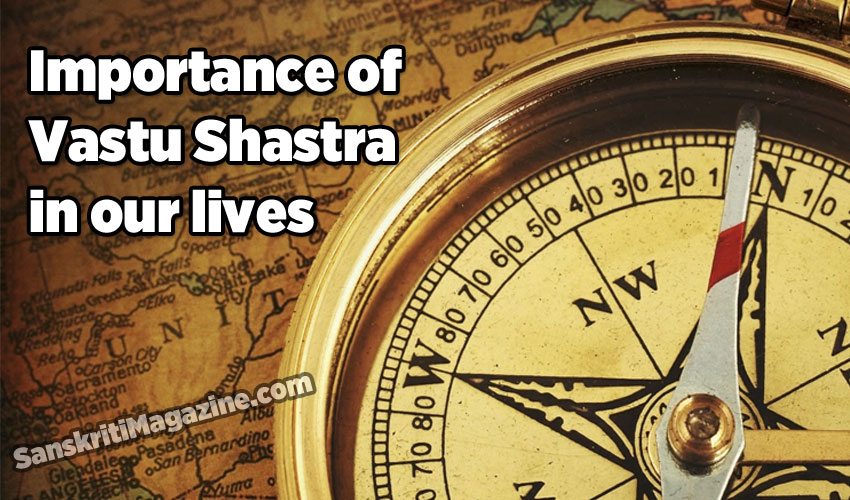
Importance of Vastu Shastra in our lives

Importance of Vastu Shastra in our lives

Why vastu is necessary ?

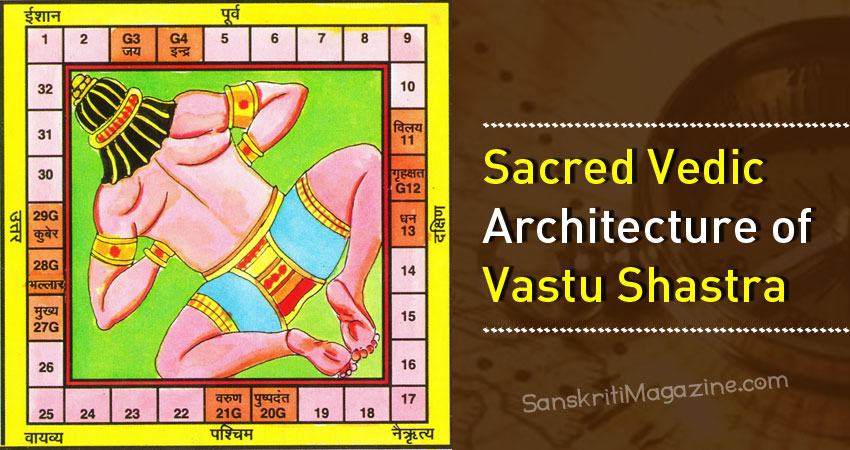
Vastu is the bridge between man and nature. Everything is made up of basic five elements – FIRE, WATER, EARTH, SPACE, and AIR. All These elements are only found on earth that is why it is the only planet that supports life and nature. If the residential and commercial buildings are constructed without any regards to these elements then how would it will give any benefits? From each of the basic elements we are getting a strange precious gift due to infinite powers of the universe. 

All materials in the world , irrespective of their size, shape , colour , physical or chemical compositions have embedded their origins from one of the Panchbhootas . They enjoy peculiar vibration levels, which is evading the intelligence of human beings. 

Vastu is in a position to reduce the gravity of the problems faced by human beings as well as industries particularly those suffering from sickness through vibrations of Panchbhootas which has anchored their roots in the body of the human beings as well as the external and internal building configurations.

Is Vastu a science ? 

The Vastu science is founded upon the laws of nature. The equilibrium we observe in the nature is easily perceivable by us in all moving bodies, but unfortunately we are unable to note this equilibrium in static bodies. The basic source of energy of the whole world is stored at North and South Pole. It flows uninterruptedly from North Pole to South Pole in the form of magnetic waves. Therefore Southward portion of every building should be higher than the northward portion so that there may not be any hindrance to the flow of magnetic waves. 

The cars are so accurately balanced that even deflation in any one of the tyres can cause a serious accident. Similarly, when a building is constructed without observing the rules of Vastu science, various calamities, diseases, accidents can occur. This is the eternal rule of the nature and it has no place for any logic, doubt or debate.

You may also like

Search the website

Like us on Facebook

Get daily updates via Email

Enter your email address:

Recent Posts

Jamai Shashthi 2026 — The Story of Maa Shashthi, the Cat, and the Wife Who Was Forgiven

Jamai Shashthi 2026 — The Story of Maa Shashthi, the Cat, and the Wife Who Was Forgiven

On Saturday, June 20, 2026, Bengali households across Bharata will welcome their married daughters and sons-in-law home for the legendary jamai-aador feast and perform the Shashthi Vrata. But behind the warmth lies a story most Bengalis know by heart and most non-Bengalis have never heard — the wife who stole the hilsa, blamed the cat, lost six sons to Maa Shashthi’s wrath, and was finally forgiven. The Vrat Katha, the vidhi, the mantras, and the deeper teaching.

Vat Purnima 2026 — The Wife Who Argued Yama Into Returning Her Husband’s Life

On Monday, June 29, 2026, women across Maharashtra, Gujarat, and southern Bharata will tie red thread around banyan trees and hear the story of Savitri — the wife who walked behind Yamaraja Himself when He came for her husband, and out-argued the Lord of Dharma into returning Satyavan’s life. The Mahabharata’s Pativrata Mahatmya Parva, the vrat vidhi, and why the banyan witnessed everything.

Nija Jyeshtha 2026 — The Real Jyeshtha Begins, and the Calendar Resumes

Nija Jyeshtha 2026 — The Real Jyeshtha Begins, and the Calendar Resumes

With Adhik Maas now closed on the Somvati Amavasya of June 15, the long-postponed festivals of Jyeshtha return — Vat Purnima (June 29, the Savitri-Yamaraja katha), Jamai Shashthi (June 20, the Bengali festival of Maa Shashthi), Sankashti Chaturthi (June 28), Yogini Ekadashi (July 10), and Devshayani Ekadashi (July 16, opening the four-month Chaturmas of Bhagavan Vishnu’s yoga-nidra). A guide to what the next four weeks hold and what the household that kept Purushottam Maas now carries forward.

The Closing of Purushottam Maas 2026 — Adhik Amavasya and the Sealing of the Month-Long Vrat

On Monday, June 15, 2026 — a rare Somvati Amavasya — the intercalary month that bears Bhagavan Vishnu’s own name comes to its close. The Acharyas teach that a vrat is not measured by its duration but by its closing. Here are the Padma Purana’s instructions for sealing the month-long Purushottam Maas vrat: the morning snan, the closing puja with the Vishnu Sahasranama, the day of dana, the Somvati Amavasya gift, and the final sarva-arpana — the offering of all merit at the feet of the Lord.

Parama Ekadashi 2026 — The Other Rare Ekadashi of Purushottam Maas, and the Poor Brahmin Who Kept It

Two weeks ago, Vaishnavas across Bharata kept Padmini Ekadashi — the rare Shukla Paksha Ekadashi of Adhik Maas. Padmini has a twin. On Thursday, June 11, 2026, the Krishna Paksha Ekadashi of the same intercalary month appears: Parama — the Supreme Ekadashi. The Padma Purana names it the rarer and more secret of the two, and reserves it for those whose poverty or sorrow has refused to lift in spite of every other vrat already kept. The story of Sumedha and Pavitra of Kampilya, the rishi Kaundinya, the prince sent by Bhagavan Brahma — and the vidhi for the day.

css.php