Tantra is a science of illumination of the nervous system. At the basis of tantric philosophy is the liberation of energy and the awakening of kundalini. Tantra is not just a sexual system as many people believe, though it uses sexuality. It uses everything in life and sexuality is just one small part of the tantric system, an advanced stage requiring great discipline.
Energizing and rejuvenation occur when we use tantra to change our minds, our attitudes towards life, sex and other components. By opening our mind to the fact that there is another, better, freer way of looking at our lives, we become open to change, and only at that point can we grow spiritually. If we do not allow change to occur, if we block it with tension and neurosis, then energy cannot flow freely and this results in decreased body lustre, premature ageing, disease, a joyless existence. We lose that quality which is the essence of youth and vigour…shakti.
The need for change
In order to unlock the mystery of shakti, we have to change our view of the world and our attitude towards things. To understand how to gain shakti from situations, people and things requires time and training. We need to learn firstly how to relax in life and accept things before we try to change them according to our own ego-centred views and desires. Then we can start to utilize and control our energies through various postures, pranayama and meditative practices. We cannot approach life in the same old way, day after day, if we want to grow and expand. One of the areas where we most have to change our view is in regard to sexual relationships. Women are tired of being seen as sex objects or regarded as no more than vehicles for reproduction. No human being can be satisfied with a purely physical relationship that does not also deal effectively with the higher emotions and ultimately has as its basis a spiritual purpose. A reaction to this occurred in our society during the ’70s and ’80s as women, protesting the abuse of their bodies, minds and souls, organized women’s liberation movements and Mother Goddess cults which suppressed masculine dominance and often attempted to substitute it with female dominance.
This potentially destructive rift between the sexes can be bridged by the basic philosophy of tantra. In a tantric approach the union of the opposites at all levels is attempted. Neither sex need be shackled or liberated and neither needs to cut itself off from the other, as indeed any extreme reaction creates new neuroses. A neurosis cuts us off from our fellow beings, from nature, from the ground we walk on and from ourselves. It denies us access to our energy and vitality. Tantra teaches us rather to accept not only ourselves, but others; to rejoin the community of human beings and living things; to surrender to what life gives us. Only when we rejoin (yoke, yoga) ourselves to life, can we attempt the appropriate changes necessary for better living.
Making the change
Once we decide that change is necessary, how do we go about it? Tantra teaches us that within each individual lies potential completeness and fulfilment, the perfect blending of opposites. The first step is to learn asana, pranayama and meditational techniques; to reawaken the shakti within ourselves. Once we feel that extra transforming quality in our own lives, we begin to live the philosophy and actually experience what it can do for us. The various nadis, psychic centres and psychic passages become a living reality for us.
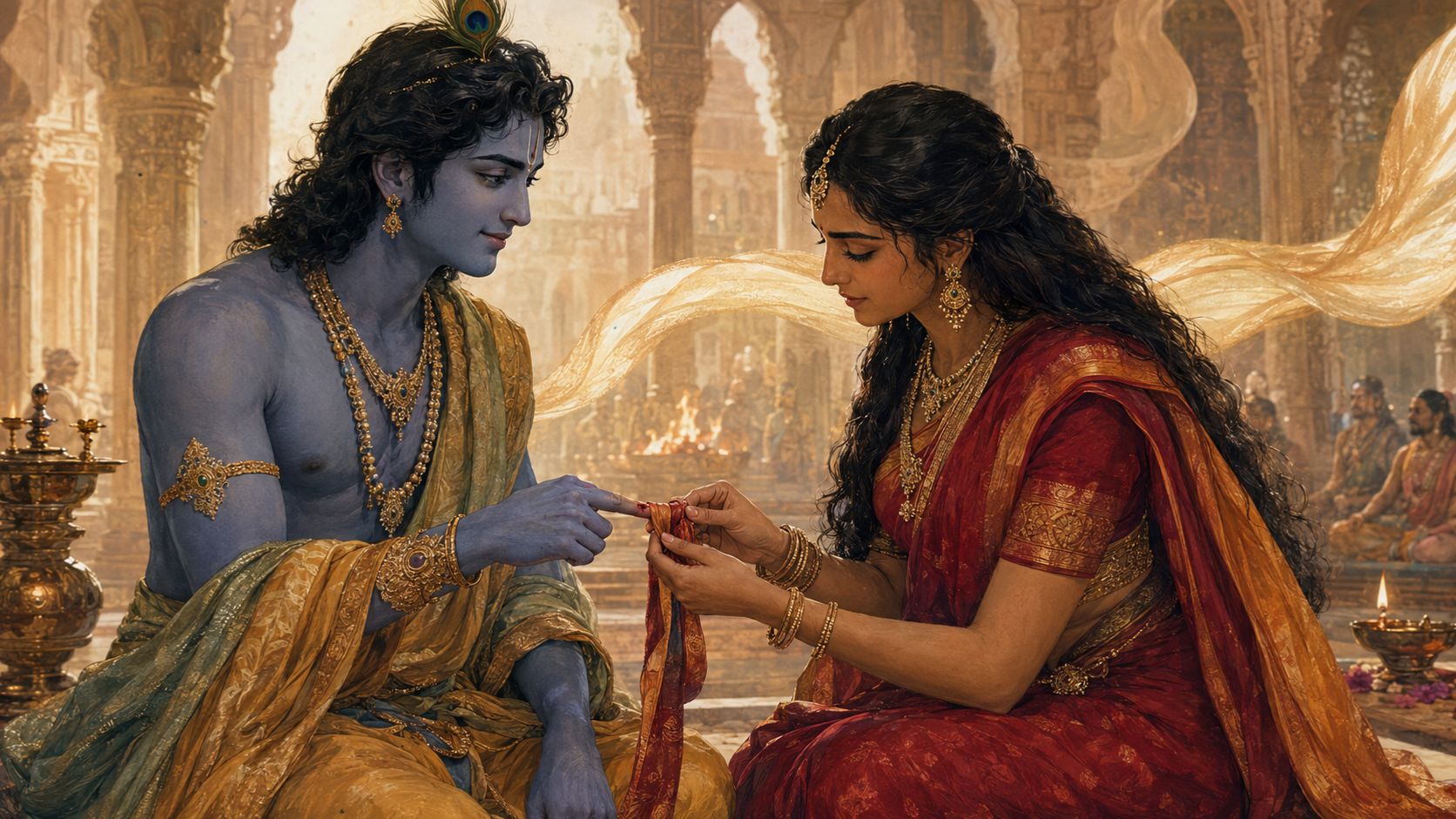
In tantric philosophy the female represents shakti, energy, matter, while the male is the embodiment of consciousness. When the female starts to work on her shakti through yoga practice, she becomes very powerful and dynamic, more so than the male. Her shakti exudes into the environment. Such yoginis or shaktis are the inspiring force in work and at play. This is something that has to be experienced, and once experienced, the lower forms of pleasure no longer give the same satisfaction. The shakti, the female yogini, becomes the gateway to a transcendental lifestyle for the male and for the family. A true tantric relationship relies on conscious awareness and use of shakti so that life becomes a play and interchange of energy and consciousness. The female role is given more importance and respect, and concomitantly Shakti worships Shiva.
Mooladhara chakra
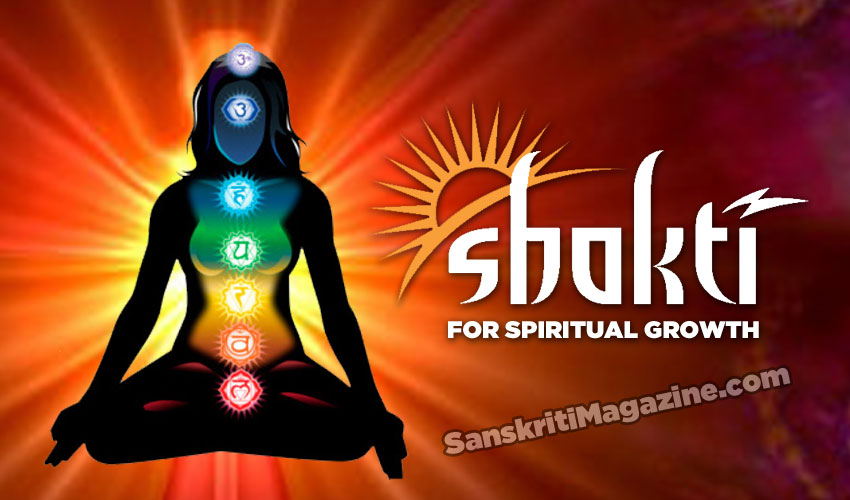
The seat of kundalini, cosmic shakti, resides in mooladhara chakra. The awakening of this chakra is a powerful event in the life of any human being, male or female, and the beginning of true enlightenment. Only the female can awaken this chakra via sexual experience; the male must use kriya yoga.
Neuropsychologists have theorized that women have a unique connection between their forebrain and cerebellum, which may account for the fact that during sexual activity and orgasm they enter altered states of consciousness, such as floating sensations, loss of body awareness, a sense of unity with the cosmos. Men appear to lack the neurological capacity to integrate pleasure into the frontal neocortex of the brain and cannot reach the same transcendent heights.
From the yogic point of view this occurs because in the female the mooladhara chakra lies within the vagina, at the neck of the cervix. In the shamanic tradition the source of power for the female is also said to lie within the womb. Their ‘lines of force’ are connected to the uterus and it is through the use of these lines that the shaman flies and performs other feats of power.
Ascending the chakras
The awakening of mooladhara chakra and the ascension of shakti to sahasrara at the crown is the great and final event in an individual’s evolution. Until that point we all, male and female, have to use yogic techniques to balance the male and the female within us. The man must develop receptivity, the ability to flow, gentleness, intuition, and other feminine attributes, and the woman must develop the masculine qualities of outward directed energy, strength and logic. Each of us must have our head in the clouds and our feet firmly on the ground, if we are to balance our spiritual aspirations with our worldly affairs.
As we utilize yogic sadhana, the internal forces and pressures open up various compartments of body and mind so that the process of rebalance occurs by itself. The individual begins to speed up his evolution in an effort to transcend the slow evolutionary pace of the mass of humanity, still trapped in the lower centres. Society’s preoccupation with limited physical, sexual and sensual entertainment is symptomatic of mooladhara and swadhisthana predominance. As the inner life expands we no longer seek thrills and excitement in a vain attempt at fulfilment, for all experiences become more subtle and satisfying. We not only see women in a different light but the sacredness and mystery of life pervades all the corners and recesses of experience. The whole world glows with shakti.
~ Dr. Swami Shankardevananda Saraswati