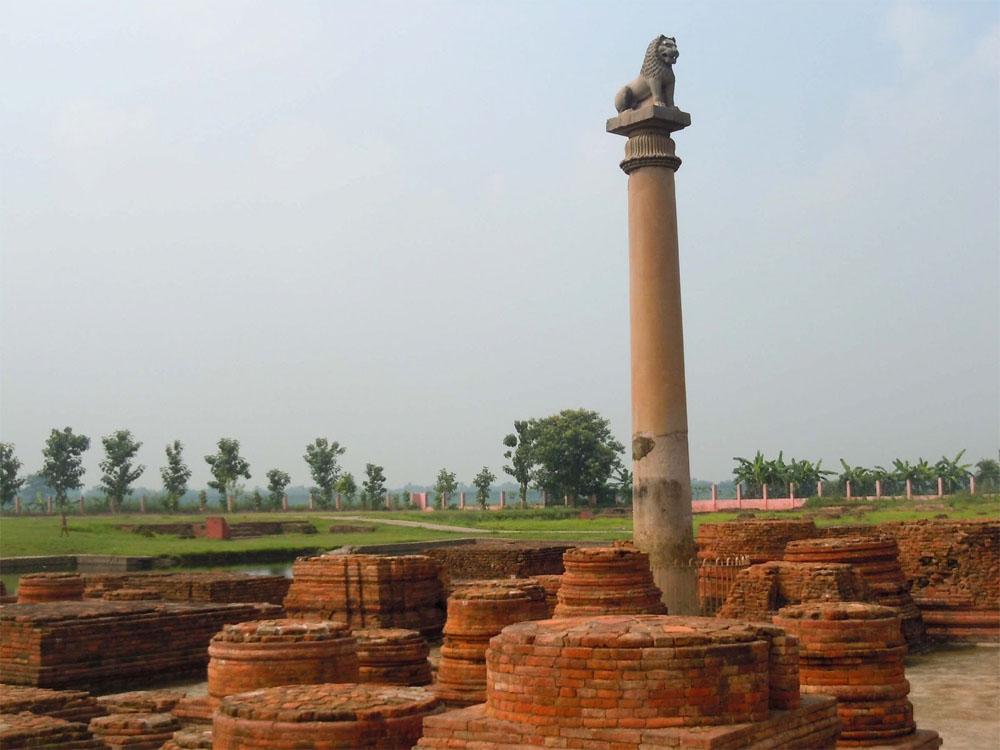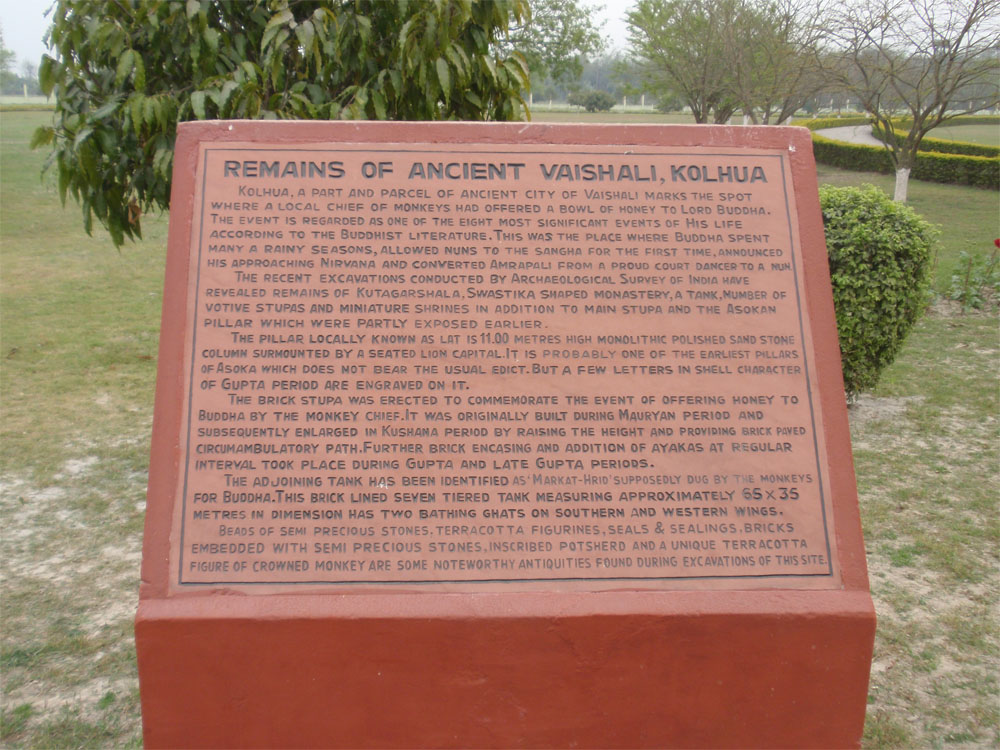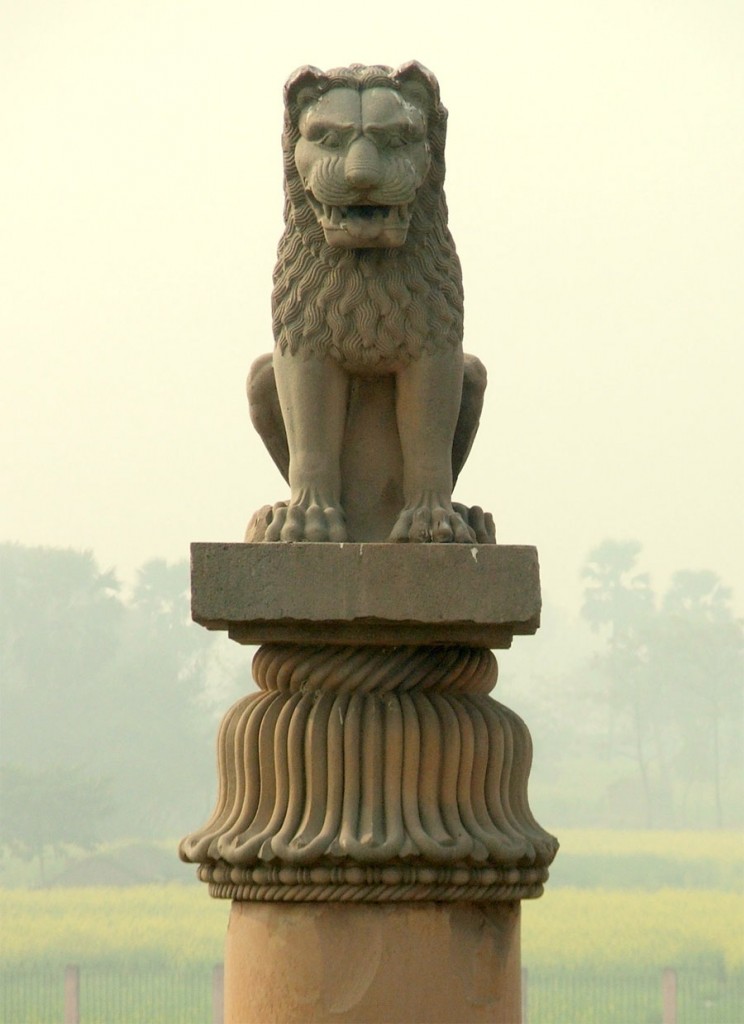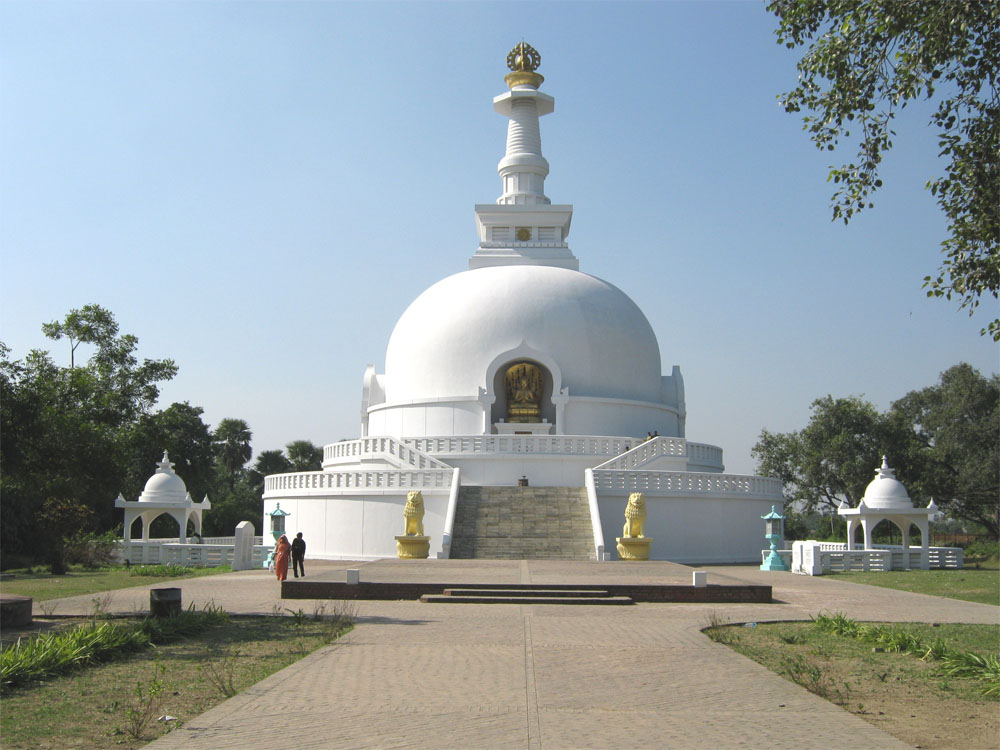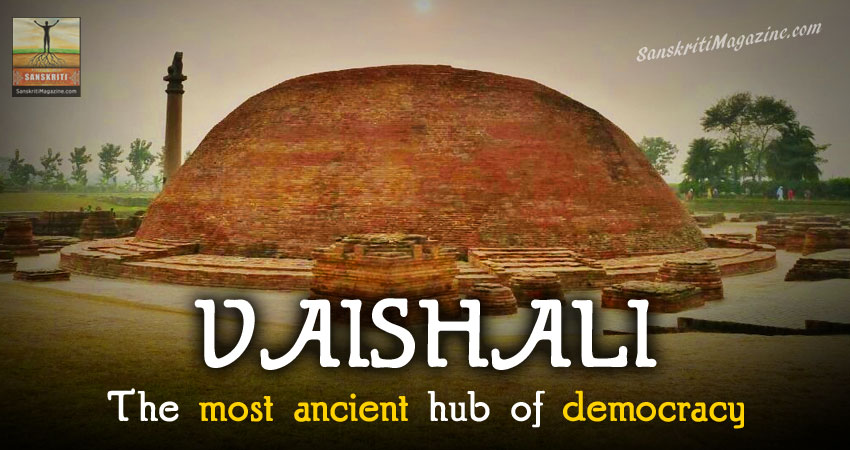
Long before democracy flourished in ancient Greece the concept took root in the independent republic of Vaishali. A republic whose elegance, prosperity & power is frozen in the ancient Pali and Ardha Magadhi text. But instead of getting a global attention, its dying a slow death under the heaps of dust in the libraries.
Although it is widely believed that the idea of democracy and a constitution were created in democratic Athens, around 506 BCE (Before Common Era), India saw the emergence of city republics around 6th BCE where the concept of an elected ruler had taken root.
Like the democratic efflorescence in ancient Greece which had left its impact on the thought and culture of the Ancient World, which survive until today, it was cities like Vaishali that were the creative force behind protestant religious movements like Jainism and Buddhism.
An ancient metropolis, the capital of the republic of the Vaishali state and the capital of the Vijji confederacy, Vaishali is prominently mentioned in Jain and Buddhist texts which emerged later. It is now recognised that Buddha borrowed freely from the republican model of the cities that existed in east India especially the structure of the Buddhists monastic orders and that of the Buddhist sangha (assemblies).
Vaishali has been considered by ancient Indian historians to be part of India’s second urban revolution. The first took place in the 3rd millennium BCE in the cities of Mohenjodaro, Harappa along the banks of the Indus river in western India, which stretched through to urban habitations like Dholavira in Gujarat. The second urban efflorescence in eastern India, however, carries a much clearer stamp of a long-term revolution in politics, religion, economy and culture of India.
Vaishali was putting up a stance with the other republican states, like the Lichchhavis, against emerging kingdoms like that of Magadha. It was distinct in the sense that though it was ruled by an oligarchy of noble families, there was no place for a hereditary monarchy. The republic had a city assembly with 7,707 elected city representatives all of them who came from noble families. Probably, as eminent historian Radhakumud Mookherjee explains in a treatise the title of Raja was then used to denote a republican citizen. The executive of each republic comprised a body of eight sections – each with a different colour and uniform – representing different functional sections like foreign policy, domestic affairs, including justice, defence and so on. Jagdish Prasad Sharma author of Vaishali, The World’s First Republic, explains how the representatives were the effective government and whatever decisions they took it was in accordance with the wishes of the gana (assembly). The government was fully authorised by the constitution to act freely and independently, provided it remained accountable to the assembly.
Vaishali was also closely connected with the 24th Tirthankara of the Jain tradition, Vardhamana Mahavira who came from a noble family which was ruling a principality, Kundalagrama, in the suburbs of the city. The city was also an important point as Buddha traversed the area preaching his new-found Middle Path. It was in Vaishali that he delivered a sermon for the last time before he went to Kushinagara where he died, or as Buddhists believe attained mahaprinirvana.
On another note, Vaishali was also famous for its courtesan, Amrapali who was credited with making the city prosperous. She was celebrated in Buddhist lore as she became a disciple of the Buddha and dedicated her lands to the monastic order.
It is rare for an ancient city to be known by the fame of a courtesan, but in ancient India it seems that they did not grudge a woman her celebrity status.
~ Parsa Venkateshwar Rao Jr., political journalist based in New Delhi with a particular interest in human rights issues.