IndianSanskriti
eating at home

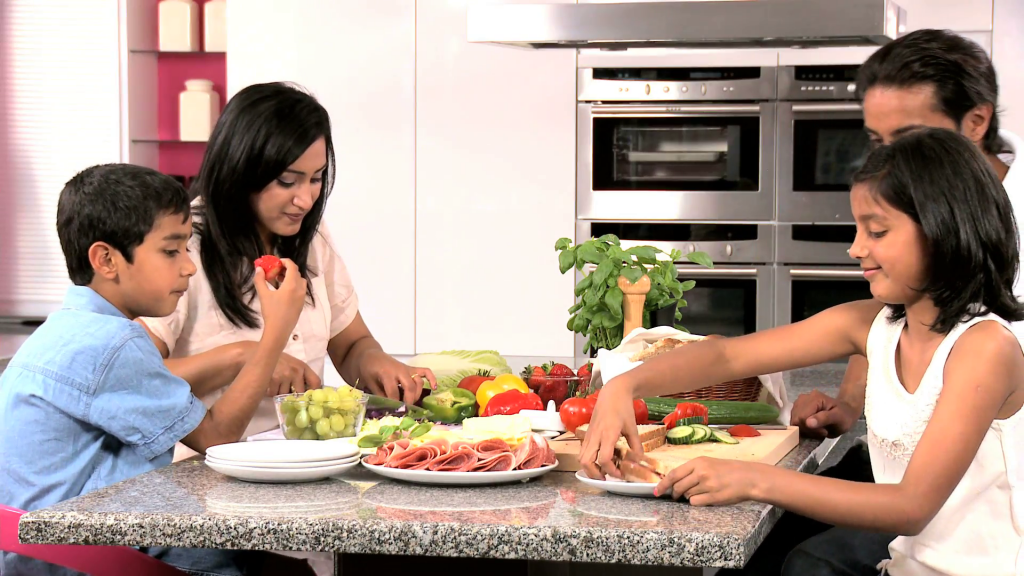
Eating at home can help to avoid food wastage: PLOS ONE study

The new study, published in the journal PLOS ONE, is the first of its kind to follow adult eaters through their normal day-to-day eating patterns.

New Delhi: According to a first-of-its-kind study, eating at home may reduce food wastage in comparison with dining out.

The study, which followed the daily eating habits of adults, found that the same people who on average left just three percent of their food on their plates when choosing their own meals, left almost 40 percent behind when given a standard boxed-lunch type of meal.

Plate waste at home was 3.5 percent higher when diners went for second or third serving, researchers said.

What we leave behind on our plates is the primary focus of efforts to reduce food waste, and this study shows that it is potentially more important to concentrate on other conservation measures at home, including using up food before it spoils, said Brian Roe from The Ohio State University in the US.

Prior research typically has focused on “plate waste” in settings such as school cafeterias and buffets and has found much greater waste – from about seven per cent at an all-you-can-eat pizza buffet to 18 percent waste of French fries at an all-you-can-eat university dining hall.

The new study, published in the journal PLOS ONE, is the first of its kind to follow adult eaters through their normal day-to-day eating patterns, said Roe.

“This study allows us to go into the daily eating habits of adults and suggests that when people are choosing their own food, there’s not a lot left on their plate,” he said.

The researchers tracked food waste through pictures the 50 study participants took on smartphones before and after meals. The study ran for about a week and included all meals eaten at home or away from home.

To compare plate waste in a controlled environment versus a home dining environment, the researchers had participants dine twice in a lab setting – on lunches that included a lunch meat sandwich, cookies, pretzels, a fruit cup and a beverage of the diner’s choice.

Based on this study, it is probably more important to focus on meal planning and using up foods (and leftovers) before they spoil than on what is left on the plate at home, Roe said.

“Better meal planning is a good place to start. Coming up with a recipe for the leftovers that your family and your kids will actually eat is the next step,” Roe said.

Corby Martin of the Pennington Biomedical Research Center in Louisiana, said that the negative effects of being provided with too much food or serving yourself too much are becoming more apparent.

“When this happens, people are much more likely to have a lot of plate waste after their meal,” he said.

Roe and his colleagues are developing a phone app designed to track food waste. They will soon begin testing the “Food Image” app in a pilot project.


You may also like

Search the website

Like us on Facebook

Get daily updates via Email

Enter your email address:

Recent Posts

Yogini Ekadashi 2026 — The Yaksha Who Missed the Morning Flowers, and the Ekadashi That Undid His Curse

On Friday, July 10, 2026, the rare Krishna Paksha Ekadashi of Nija Ashadha arrives. The Padma Purana tells the story of Hemamali — the Yaksha gardener of Bhagavan Kubera in Alaka, whose single morning of distraction with his wife Vishalakshi cost him his form, his wife, and his celestial city. Cursed to wander the earth of Bharata as a leper for a long time, he was at last shown the way back by Sage Markandeya — a single sincere keeping of Yogini Ekadashi.

Jamai Shashthi 2026 — The Story of Maa Shashthi, the Cat, and the Wife Who Was Forgiven

Jamai Shashthi 2026 — The Story of Maa Shashthi, the Cat, and the Wife Who Was Forgiven

On Saturday, June 20, 2026, Bengali households across Bharata will welcome their married daughters and sons-in-law home for the legendary jamai-aador feast and perform the Shashthi Vrata. But behind the warmth lies a story most Bengalis know by heart and most non-Bengalis have never heard — the wife who stole the hilsa, blamed the cat, lost six sons to Maa Shashthi’s wrath, and was finally forgiven. The Vrat Katha, the vidhi, the mantras, and the deeper teaching.

Vat Purnima 2026 — The Wife Who Argued Yama Into Returning Her Husband’s Life

On Monday, June 29, 2026, women across Maharashtra, Gujarat, and southern Bharata will tie red thread around banyan trees and hear the story of Savitri — the wife who walked behind Yamaraja Himself when He came for her husband, and out-argued the Lord of Dharma into returning Satyavan’s life. The Mahabharata’s Pativrata Mahatmya Parva, the vrat vidhi, and why the banyan witnessed everything.

Nija Jyeshtha 2026 — The Real Jyeshtha Begins, and the Calendar Resumes

Nija Jyeshtha 2026 — The Real Jyeshtha Begins, and the Calendar Resumes

With Adhik Maas now closed on the Somvati Amavasya of June 15, the long-postponed festivals of Jyeshtha return — Vat Purnima (June 29, the Savitri-Yamaraja katha), Jamai Shashthi (June 20, the Bengali festival of Maa Shashthi), Sankashti Chaturthi (June 28), Yogini Ekadashi (July 10), and Devshayani Ekadashi (July 16, opening the four-month Chaturmas of Bhagavan Vishnu’s yoga-nidra). A guide to what the next four weeks hold and what the household that kept Purushottam Maas now carries forward.

The Closing of Purushottam Maas 2026 — Adhik Amavasya and the Sealing of the Month-Long Vrat

On Monday, June 15, 2026 — a rare Somvati Amavasya — the intercalary month that bears Bhagavan Vishnu’s own name comes to its close. The Acharyas teach that a vrat is not measured by its duration but by its closing. Here are the Padma Purana’s instructions for sealing the month-long Purushottam Maas vrat: the morning snan, the closing puja with the Vishnu Sahasranama, the day of dana, the Somvati Amavasya gift, and the final sarva-arpana — the offering of all merit at the feet of the Lord.

css.php