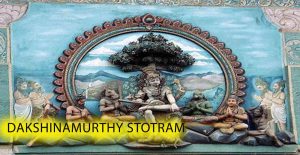
Dakshinamurthy Stotram
Listen , Chant and Understand the Dakshinamurthy Stotram in Sanskrit ,contributed by great sage Adi Shankaracharya. Source:Shivoham Youtube Channel

Listen , Chant and Understand the Dakshinamurthy Stotram in Sanskrit ,contributed by great sage Adi Shankaracharya. Source:Shivoham Youtube Channel
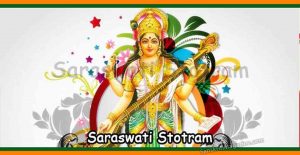
Chant and Learn powerful Saraswati Stotram and get Devi Ma’s blessings!! In the Vedic tradition, Devi Saraswati is the goddess of learning and wisdom. Saraswati

Chanting Sanskrit increases brain cognitive functions and is termed as “Sanskrit effect” Photo:Sanskrit pandits train in reciting Sanskrit texts from childhood, for seven years.
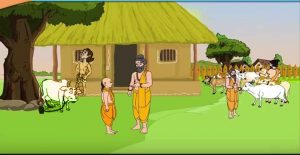
A nice story of Adi Shankaracharya teaching his students about true freedom Adi Sankara was walking through the market place with his disciples. They saw
History : Situated near Anokhi Museum at Jaipur-Amer road, this beautiful place was constructed during sixteenth century. The place was mainly utilized as a place
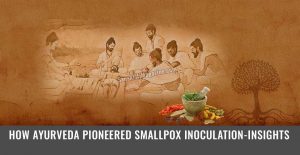
An interesting insight on the ayurvedic treatment of smallpoxes which preceded the germ theory of disease that arose in the nineteenth century. The first reliable


The 12 Jyotirlingas of Lord Shiva — where each stands, its sacred story, and how to make the Dwadasha Jyotirlinga pilgrimage in person or in spirit this Shravan.

The Rudrabhishek is the abhishekam said to please Lord Shiva fastest. What it is, the meaning of each sacred substance, the Sri Rudram, and how it is performed at home this Shravan.

Shravan runs July 30–Aug 27 in 2026, with four Sawan Somwars (Aug 3, 10, 17, 24). Why the whole month belongs to Mahadeva — the churning of the ocean, the poison He drank, and how to keep the Sawan vrat.

Thiruvonam 2026 falls on Wednesday, August 26 — the crown of Kerala’s ten-day festival. The Bhagavata story of King Mahabali and the Vamana avatar, and why Onam is a homecoming, not a defeat.
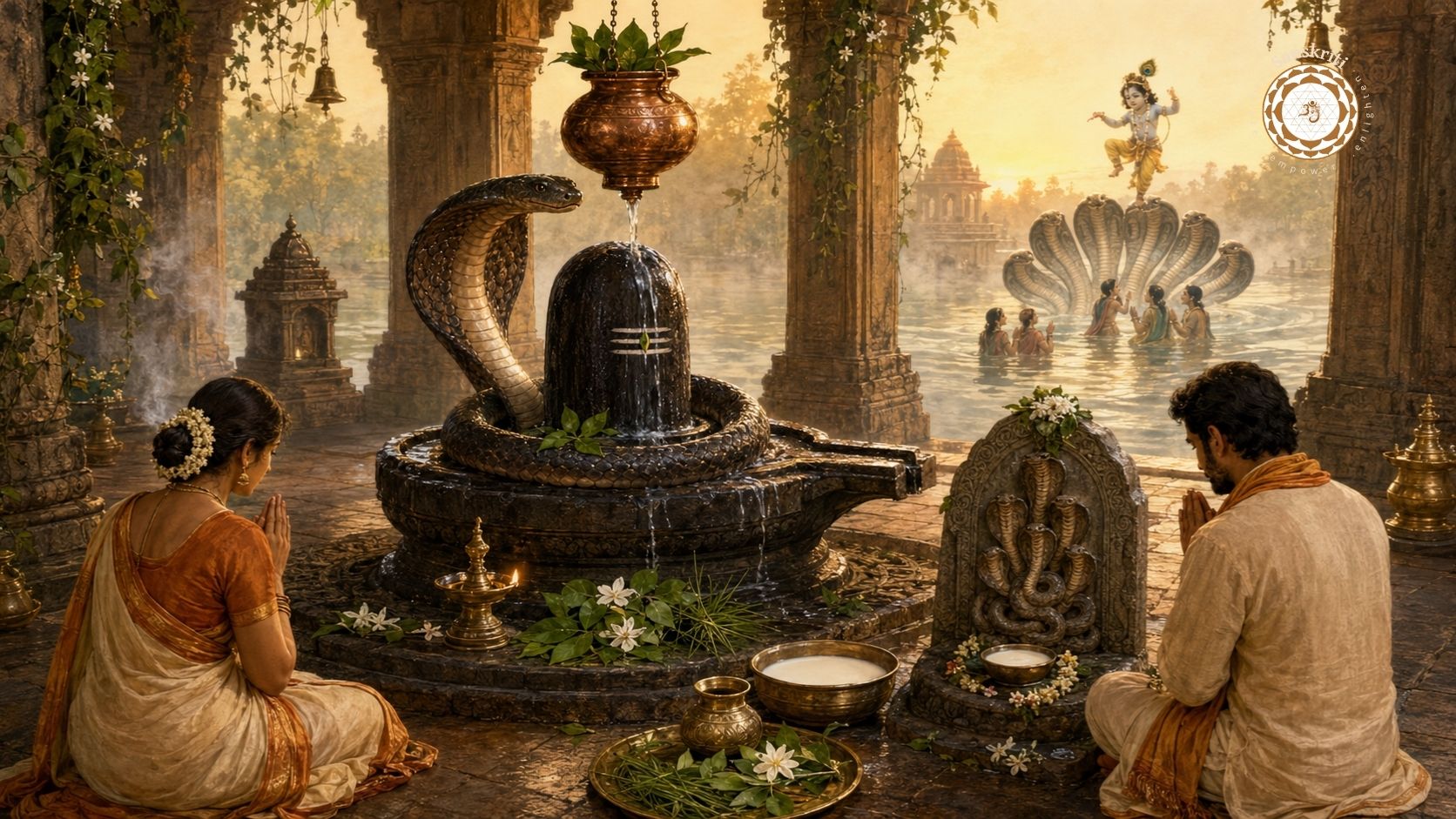
On Monday, August 17, 2026 — a Shravan Monday — Hindus offer milk and prayers to the serpent. The stories of Shesha, Vasuki, Kaliya and Astika, and the puja vidhi for Nag Panchami.

