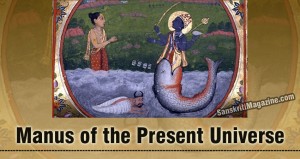
Manus of the Present Universe
Manvantaram or Manuvantara, or age of Manu the Hindu progenitor of humanity, is an astronomical period of time measurement. Manvantara is a Sanskrit Sandhi –

Manvantaram or Manuvantara, or age of Manu the Hindu progenitor of humanity, is an astronomical period of time measurement. Manvantara is a Sanskrit Sandhi –
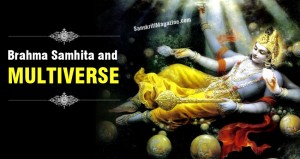
In the ‘Brahma Samhita’ fifth chapter there is a description of variegated planetary system even within the material world. And in the Bhagwat Geeta, such
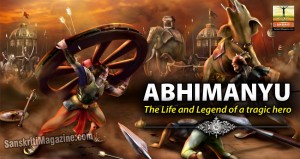
Abhimanyu is a key personality featured in the epic Mahabharata. The son of Arjuna and Subhadra, half-sister of Lord Krishna, Abhimanyu was an unparalleled archer
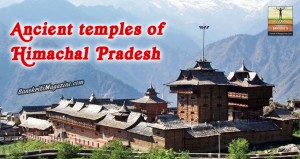
Baba Baroh Baba Baroh is a tehsil in Kangra district, India is recognized for a temple made of white marble to Radha Krishan and the Goddess Durga. This temple is well-known for the largest amount of
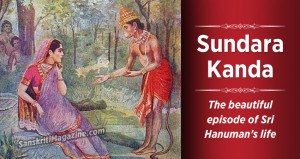
The Sundara Kanda, the fifth book in the Ramayana, focuses mainly on the adventures of Sri Hanuman, and the story is as follows: Hanuman meets

Water purifies the body and the mind. It rejuvenates the spirit. It liberates the psyche. The waters of the Ganga River can even erase karma

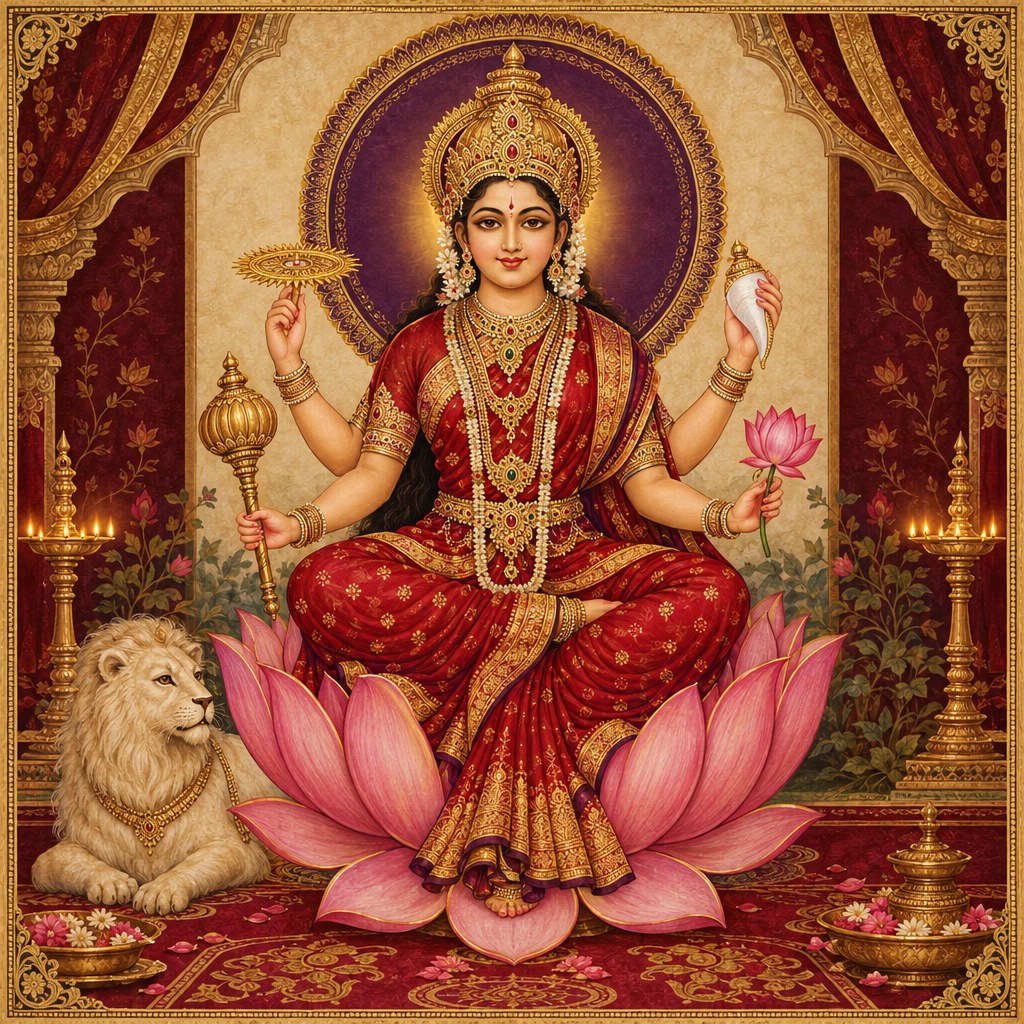
Explore Maa Siddhidatri’s form, meaning and symbols, with a simple Navratri reflection and a practice you can carry into daily life.
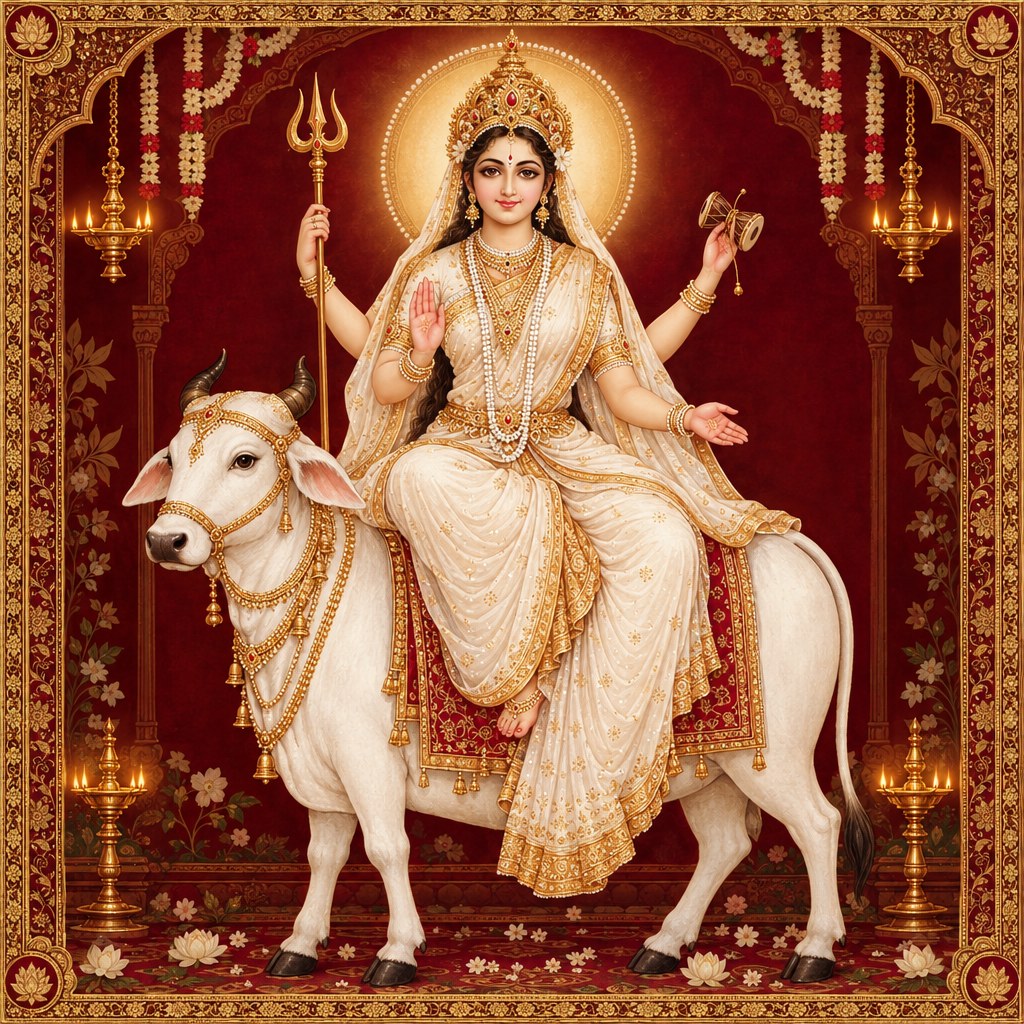
Explore Maa Mahagauri’s form, meaning and symbols, with a simple Navratri reflection and a practice you can carry into daily life.
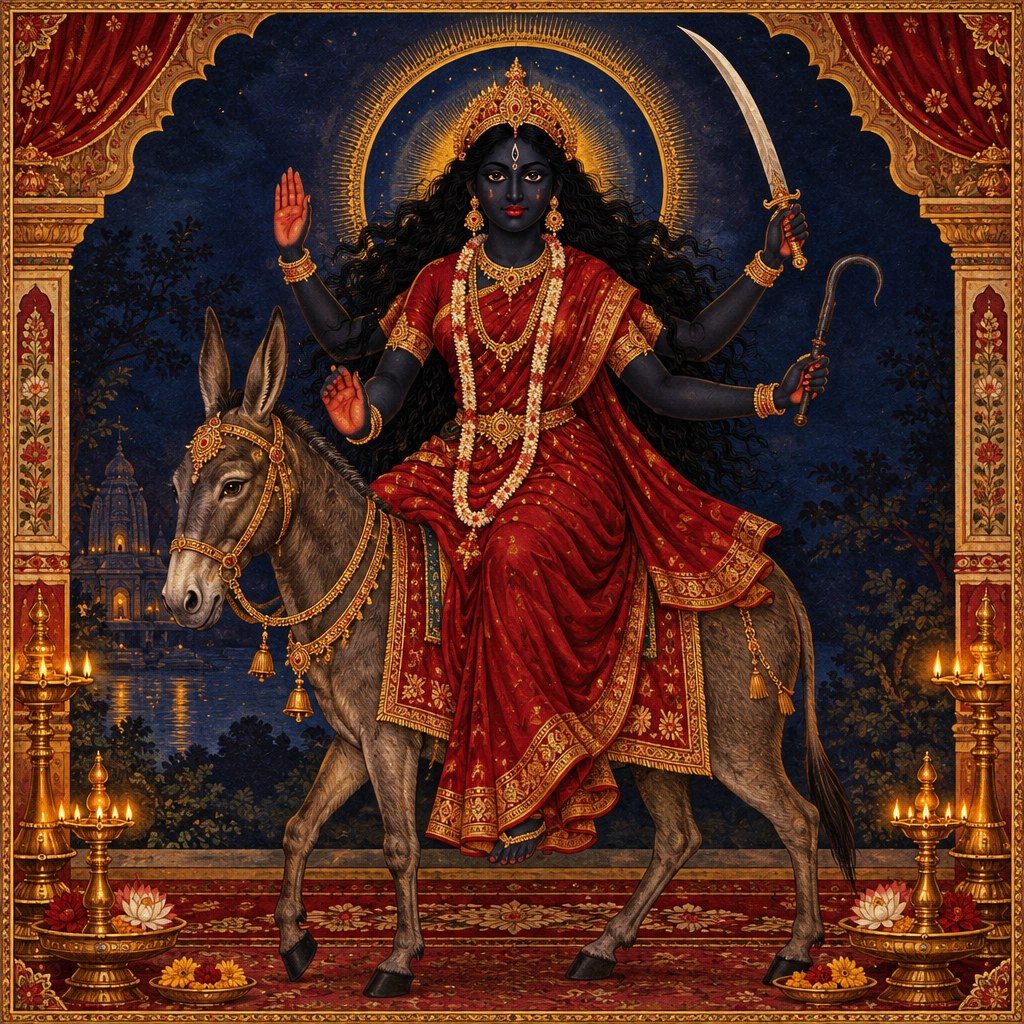
Explore Maa Kalaratri’s form, meaning and symbols, with a simple Navratri reflection and a practice you can carry into daily life.
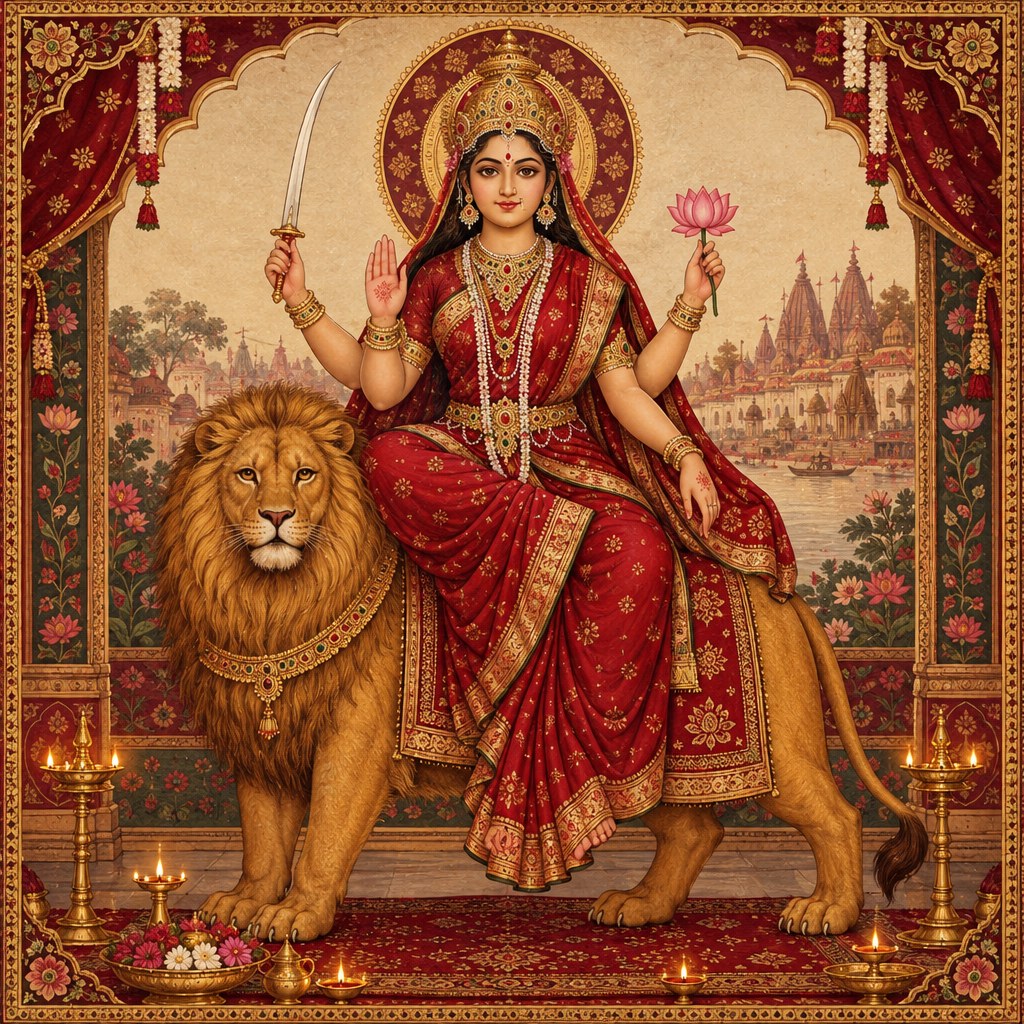
Explore Maa Katyayani’s form, meaning and symbols, with a simple Navratri reflection and a practice you can carry into daily life.
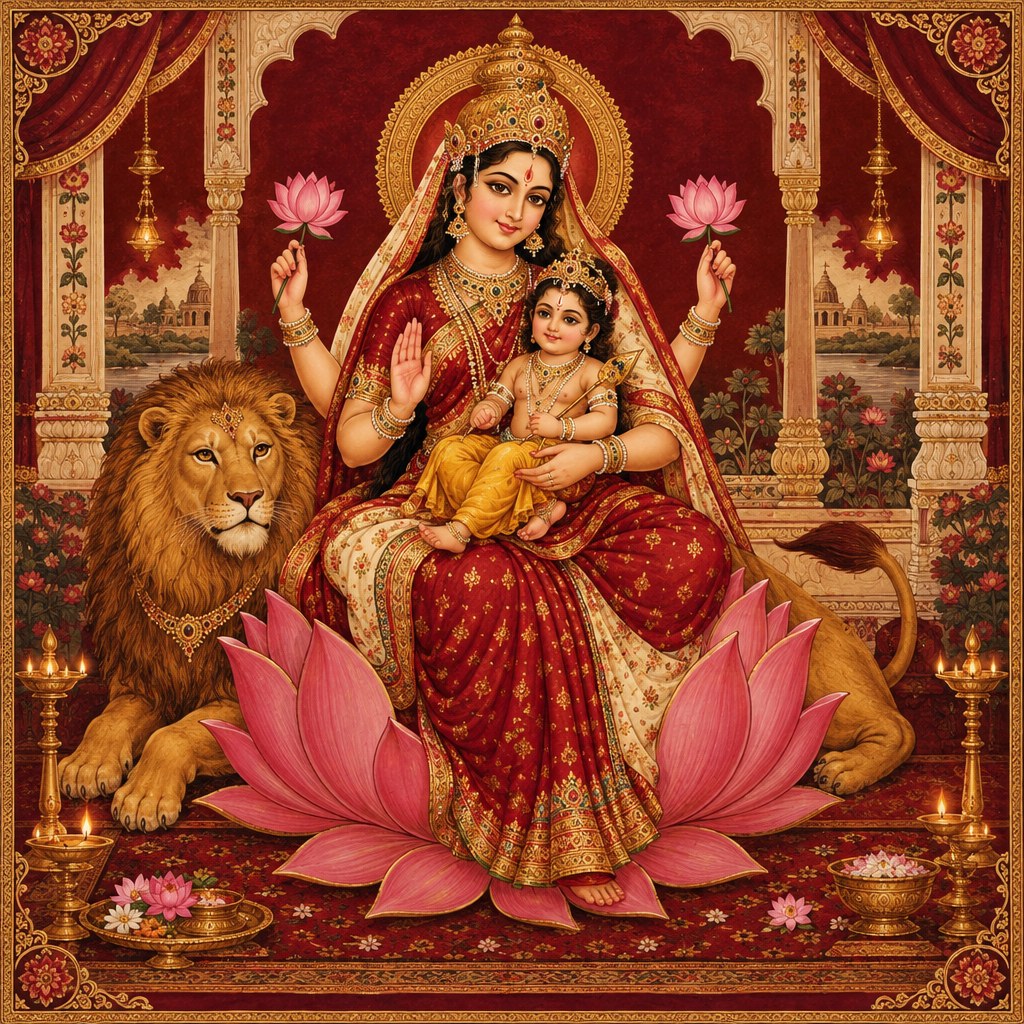
Explore Maa Skandamata’s form, meaning and symbols, with a simple Navratri reflection and a practice you can carry into daily life.

