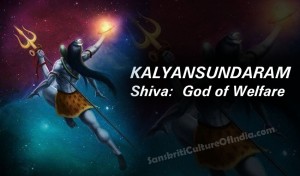
Kalyansundaram Shiva: God of Welfare
What does Shiva mean? From written and unwritten sources, from Tantrik and Vedic texts, from shrutis and smritis, we get three meanings of the term

What does Shiva mean? From written and unwritten sources, from Tantrik and Vedic texts, from shrutis and smritis, we get three meanings of the term

In Hinduism, Sun is called the soul of the universe. We cannot imagine even a single day without the Sun. In a society replete with

Ishwara has been described as a magician (Mayavi) in the Upanishads. Ramanuja interprets it as the power of Ishwara for creating the universe is as

Environmental studies deals with every issue that affects an organism. It is essentially a multidisciplinary approach that brings about an appreciation of our natural world

Embryology means the study of the human organism in its immature state, from the fertilization of an ovum to the birth of a child. It

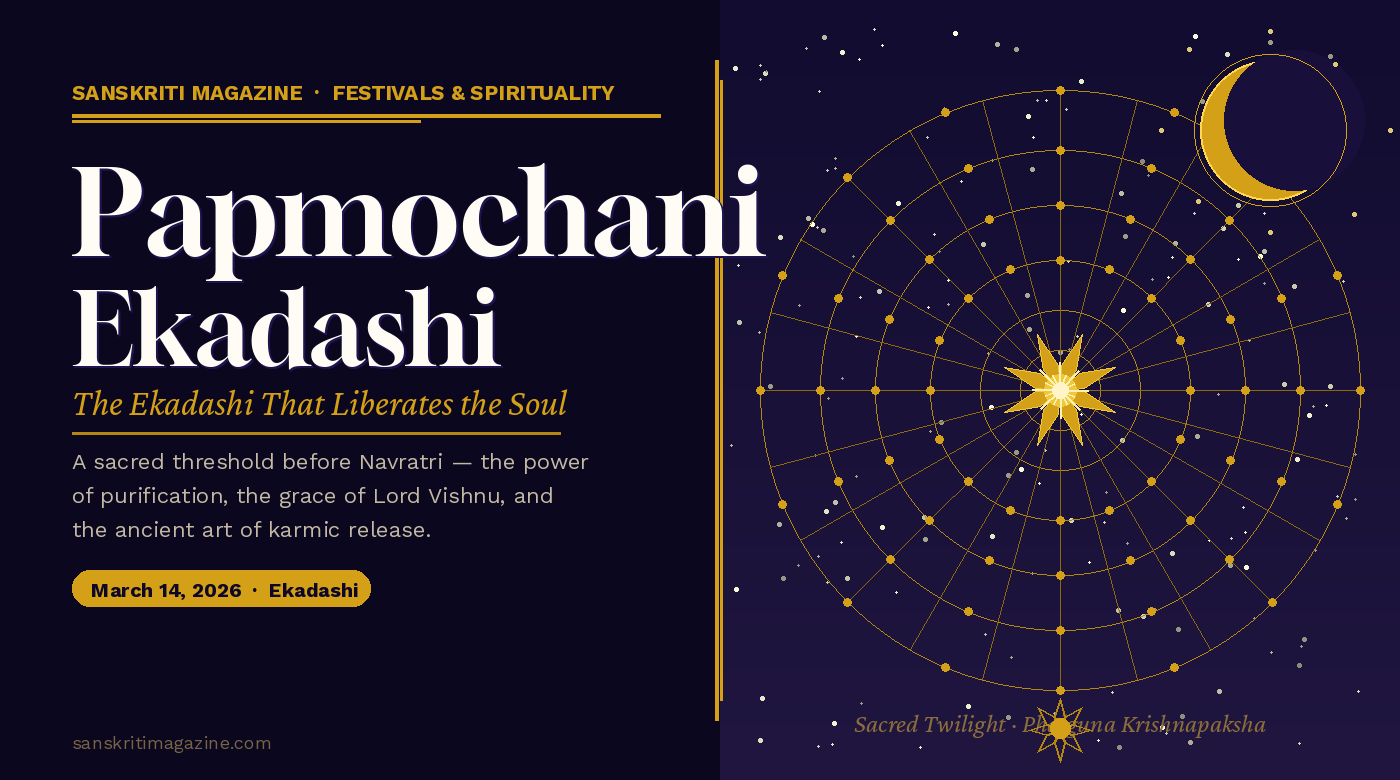
The last Ekadashi before Navratri — and why this one carries extraordinary power for the

One of the most common questions people ask about Hinduism is also one of the

We are delighted to present the 2026 Sanskriti Calendar – a thoughtfully curated blend of timekeeping and

History remembers the empires that towered over the subcontinent. What often gets lost are the

On 11 September 1893, Swami Vivekananda’s “Sisters and Brothers of America” reset the world’s conversation on faith and fellowship. More than a century later, his call for universal brotherhood, respect for diversity, and service over ritual feels newly urgent. In a polarised, hyper-connected age, Vivekananda offers a practical ethic: expand, don’t contract—build character, seek truth, and serve the weakest first.

