
Battle of Haifa: 1918
September 23rd is annually observed as ‘Haifa Day’ in commemoration of the capture of that city following a dashing cavalry action by the 15th Imperial

September 23rd is annually observed as ‘Haifa Day’ in commemoration of the capture of that city following a dashing cavalry action by the 15th Imperial

It sometimes appears, from the nature of current historical debates, as if the British empire in India was purely an orientalising mission whose discourses generated
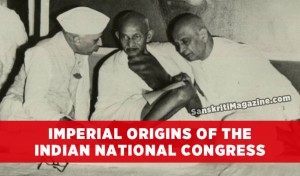
The anti-Hindu ways of the Indian National Congress first showed up in August 1906 over the issue of who should be nominated for President-ship of
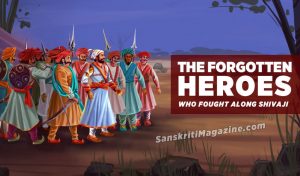
The year was 1665. Diler Khan, Emperor Aurangzeb’s Pathan commander, had laid siege to the gigantic fort of Purandar near Pune. Behind the massive walls
While we have made reasonable progress since independence, a substantial part of our countrymen continue to live in poverty. I have been asking myself, Were
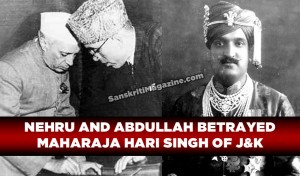
The duplicitous games played with the only monarch who embraced Indian nationalism long before freedom could be seen on the horizon, whose accession retained India’s


The 12 Jyotirlingas of Lord Shiva — where each stands, its sacred story, and how to make the Dwadasha Jyotirlinga pilgrimage in person or in spirit this Shravan.

The Rudrabhishek is the abhishekam said to please Lord Shiva fastest. What it is, the meaning of each sacred substance, the Sri Rudram, and how it is performed at home this Shravan.

Shravan runs July 30–Aug 27 in 2026, with four Sawan Somwars (Aug 3, 10, 17, 24). Why the whole month belongs to Mahadeva — the churning of the ocean, the poison He drank, and how to keep the Sawan vrat.

Thiruvonam 2026 falls on Wednesday, August 26 — the crown of Kerala’s ten-day festival. The Bhagavata story of King Mahabali and the Vamana avatar, and why Onam is a homecoming, not a defeat.
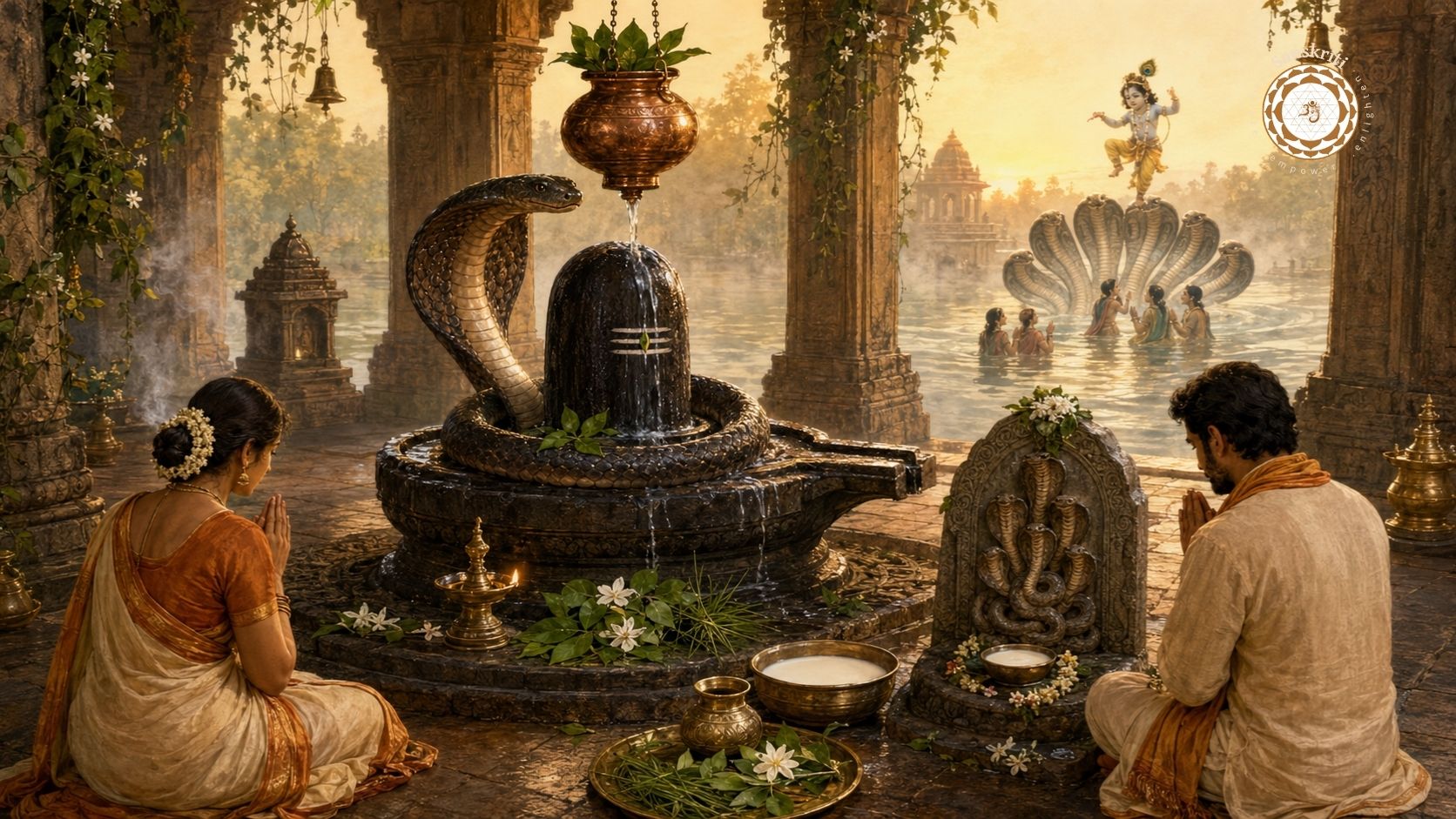
On Monday, August 17, 2026 — a Shravan Monday — Hindus offer milk and prayers to the serpent. The stories of Shesha, Vasuki, Kaliya and Astika, and the puja vidhi for Nag Panchami.

