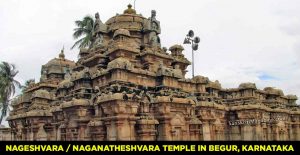
Nageshvara / Naganatheshvara Temple in Begur, Karnataka
The Nageshvara temple complex (also spelt Nagesvara and called Naganatheshvara locally) is located in Begur, a small town within the Bangalore urban district of Karnataka

The Nageshvara temple complex (also spelt Nagesvara and called Naganatheshvara locally) is located in Begur, a small town within the Bangalore urban district of Karnataka
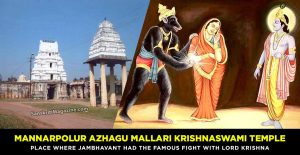
Place where Jambhavant had the famous fight with Lord Krishna Mannarpolur is a small village on the banks of ‘Kalindi’ river near Sullurpeta in Nellore

Jageshwar Shiva Temple is a Hindu pilgrimage town in Almora district, Uttarakhand, believed to carry the Nagesh Jyotirlinga dedicated to Shiva, located 36 km northeast

History makes us believe that it had been Raja Ramdev of Pandva dynasty first who built the original Martand temple in 3007 BC. devoted to

Before the Balaji temple at Tirupati and Anantha Padmanabha temple at Tiruvananthapuram became richest temples of India there was one temple at Multan, Punjab, now
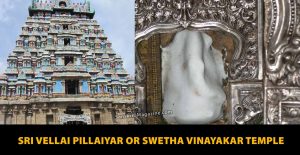
Sri Vellai Pillaiyar (Swetha Vinayakar or Nuraippillaiyaar) Temple is situated at Thiruvalanchuzhi, a village located just 6 kms near Kumbakonam, Tamilnadu, India. Swetha Vinayakar, a


Bhadrapada begins today in North India, opening a lunar month that moves from the midnight

The 12 Jyotirlingas of Lord Shiva — where each stands, its sacred story, and how to make the Dwadasha Jyotirlinga pilgrimage in person or in spirit this Shravan.

The Rudrabhishek is the abhishekam said to please Lord Shiva fastest. What it is, the meaning of each sacred substance, the Sri Rudram, and how it is performed at home this Shravan.

Shravan runs July 30–Aug 27 in 2026, with four Sawan Somwars (Aug 3, 10, 17, 24). Why the whole month belongs to Mahadeva — the churning of the ocean, the poison He drank, and how to keep the Sawan vrat.

Thiruvonam 2026 falls on Wednesday, August 26 — the crown of Kerala’s ten-day festival. The Bhagavata story of King Mahabali and the Vamana avatar, and why Onam is a homecoming, not a defeat.

