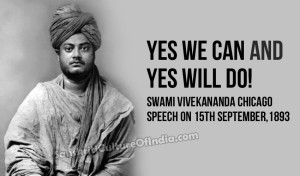
Swami Vivekananda Chicago Speech on 15th September,1893
Can you guess who said these words: YES WE CAN AND YES WILL DO! Let me guess Obama, RIGHT? Well think again! These words were

Can you guess who said these words: YES WE CAN AND YES WILL DO! Let me guess Obama, RIGHT? Well think again! These words were
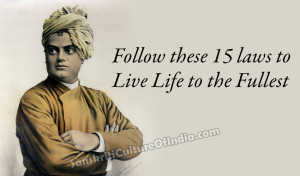
Swami Vivekananda’s inspiring personality was well known both in India and in America during the last decade of the 19th century and the first decade
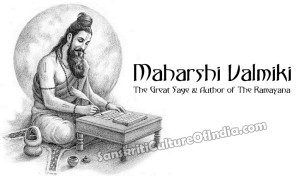
Maharshi Valmiki, the author of the great Indian epic Ramayana, was a Hindu sage who lived around the beginning of the first millennium B.C. He is

The saint poet Kabir is one of the most interesting personalities in the history of Indian mysticism. Born near Benaras or Varanasi, of Muslim parents, in
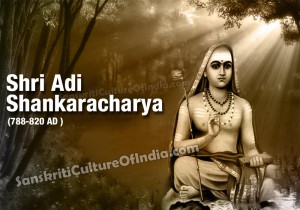
Shri Adi Shankaracharya or the first Shankara with his remarkable reinterpretations of Hindu scriptures, especially on Upanishads or Vedanta, had a profound influence on the growth of
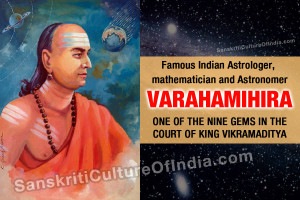
Varahamihira (499-587 CE): Varahamihira was one of the renowned Indian astronomer, mathematician, and astrologer. He was honored with a special decoration and status as one


Bhadrapada begins today in North India, opening a lunar month that moves from the midnight

The 12 Jyotirlingas of Lord Shiva — where each stands, its sacred story, and how to make the Dwadasha Jyotirlinga pilgrimage in person or in spirit this Shravan.

The Rudrabhishek is the abhishekam said to please Lord Shiva fastest. What it is, the meaning of each sacred substance, the Sri Rudram, and how it is performed at home this Shravan.

Shravan runs July 30–Aug 27 in 2026, with four Sawan Somwars (Aug 3, 10, 17, 24). Why the whole month belongs to Mahadeva — the churning of the ocean, the poison He drank, and how to keep the Sawan vrat.

Thiruvonam 2026 falls on Wednesday, August 26 — the crown of Kerala’s ten-day festival. The Bhagavata story of King Mahabali and the Vamana avatar, and why Onam is a homecoming, not a defeat.

