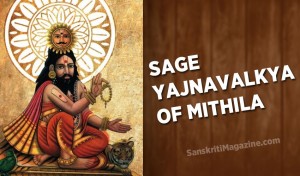
Sage Yajnavalkya of Mithila
The name of Yajnavalkya of Mithila stands distinguished both in the Srutis and in the Smritis. Yajnavalkya is especially known for his unsurpassed spiritual wisdom

The name of Yajnavalkya of Mithila stands distinguished both in the Srutis and in the Smritis. Yajnavalkya is especially known for his unsurpassed spiritual wisdom
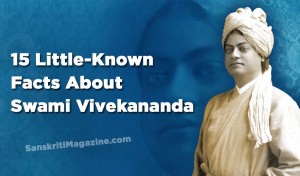
1. The great figure who toured America and England and was known for his brilliant eloquence scored only a 47% at the university entrance level
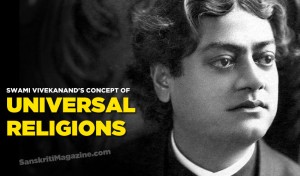
WHAT THEN DO I MEAN BY THE IDEAL OF A UNIVERSAL RELIGION? I do not mean any one universal philosophy, or any one universal mythology,
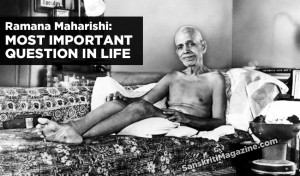
India is an amazing country and unique in several aspects. For example, in every age great spiritual personalities appear who are aware of their true
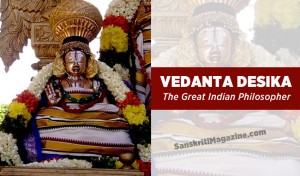
Vedanta Desika was one of the greatest philosophers and literary giants of South India. He is regarded as the second greatest Sri Vaishnava writer. He
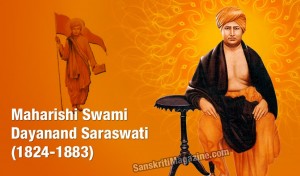
Maharishi Swami Dayanand Saraswati was a Hindu spiritual leader and social reformer of the 19th century most famous as the founder of the Hindu reform


Bhadrapada begins today in North India, opening a lunar month that moves from the midnight

The 12 Jyotirlingas of Lord Shiva — where each stands, its sacred story, and how to make the Dwadasha Jyotirlinga pilgrimage in person or in spirit this Shravan.

The Rudrabhishek is the abhishekam said to please Lord Shiva fastest. What it is, the meaning of each sacred substance, the Sri Rudram, and how it is performed at home this Shravan.

Shravan runs July 30–Aug 27 in 2026, with four Sawan Somwars (Aug 3, 10, 17, 24). Why the whole month belongs to Mahadeva — the churning of the ocean, the poison He drank, and how to keep the Sawan vrat.

Thiruvonam 2026 falls on Wednesday, August 26 — the crown of Kerala’s ten-day festival. The Bhagavata story of King Mahabali and the Vamana avatar, and why Onam is a homecoming, not a defeat.

