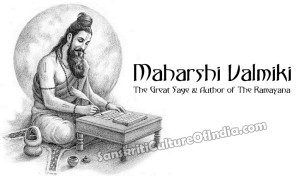
Maharshi Valmiki
Maharshi Valmiki, the author of the great Indian epic Ramayana, was a Hindu sage who lived around the beginning of the first millennium B.C. He is

Maharshi Valmiki, the author of the great Indian epic Ramayana, was a Hindu sage who lived around the beginning of the first millennium B.C. He is
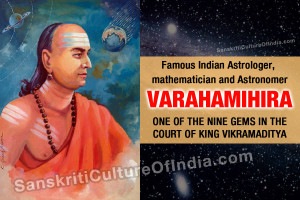
Varahamihira (499-587 CE): Varahamihira was one of the renowned Indian astronomer, mathematician, and astrologer. He was honored with a special decoration and status as one
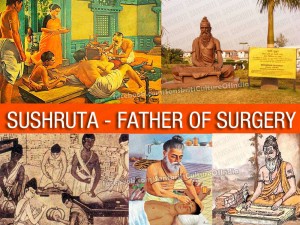
Sushruta was a surgeon and teacher of Ayurveda who flourished in the Indian city of Kashi by the 6th century BC. Sushruta served as a
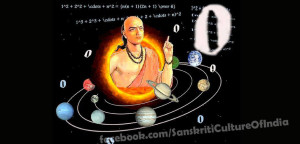
Aryabhatta was the first great astronomer of classical age of India. Born in 476AD, his place of birth has been disputed between Kerala in South

[hr] Referred to as the Father of Medicine, Charaka was born around 300 BC and was the court physician of the Buddhist King Kanishka.His renowned
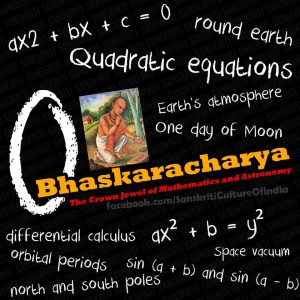
The period between 500 and 1200 AD was the golden age of Indian Astronomy. In this long span of time Indian Astronomy flourished mainly due


Bhadrapada begins today in North India, opening a lunar month that moves from the midnight

The 12 Jyotirlingas of Lord Shiva — where each stands, its sacred story, and how to make the Dwadasha Jyotirlinga pilgrimage in person or in spirit this Shravan.

The Rudrabhishek is the abhishekam said to please Lord Shiva fastest. What it is, the meaning of each sacred substance, the Sri Rudram, and how it is performed at home this Shravan.

Shravan runs July 30–Aug 27 in 2026, with four Sawan Somwars (Aug 3, 10, 17, 24). Why the whole month belongs to Mahadeva — the churning of the ocean, the poison He drank, and how to keep the Sawan vrat.

Thiruvonam 2026 falls on Wednesday, August 26 — the crown of Kerala’s ten-day festival. The Bhagavata story of King Mahabali and the Vamana avatar, and why Onam is a homecoming, not a defeat.

