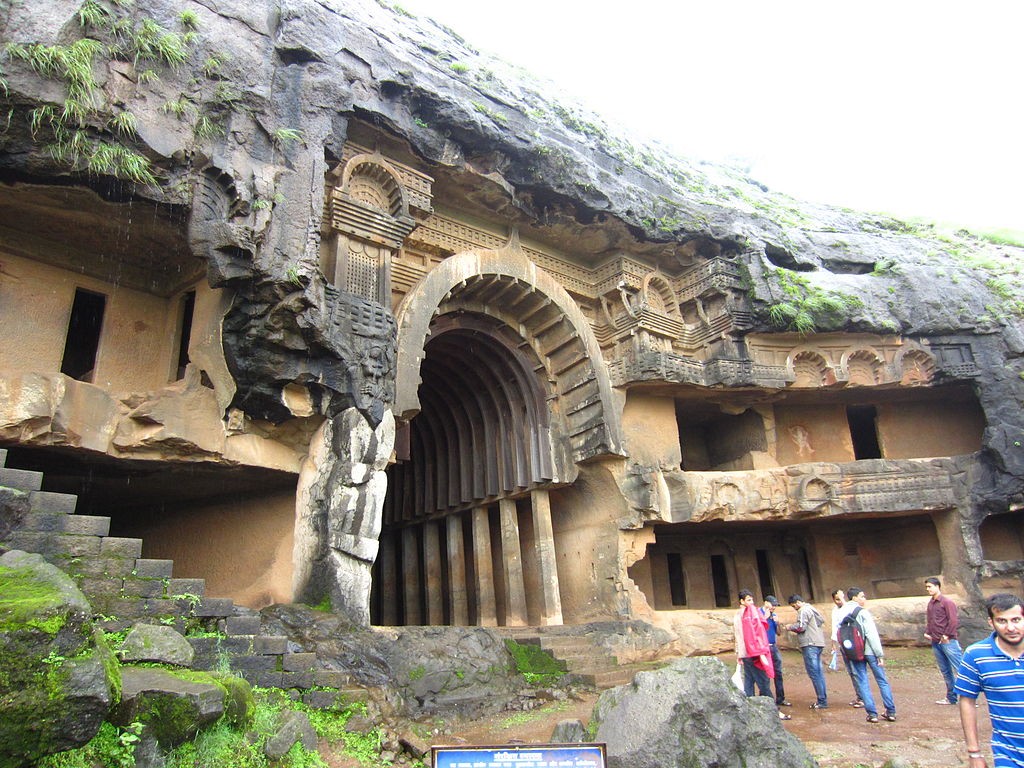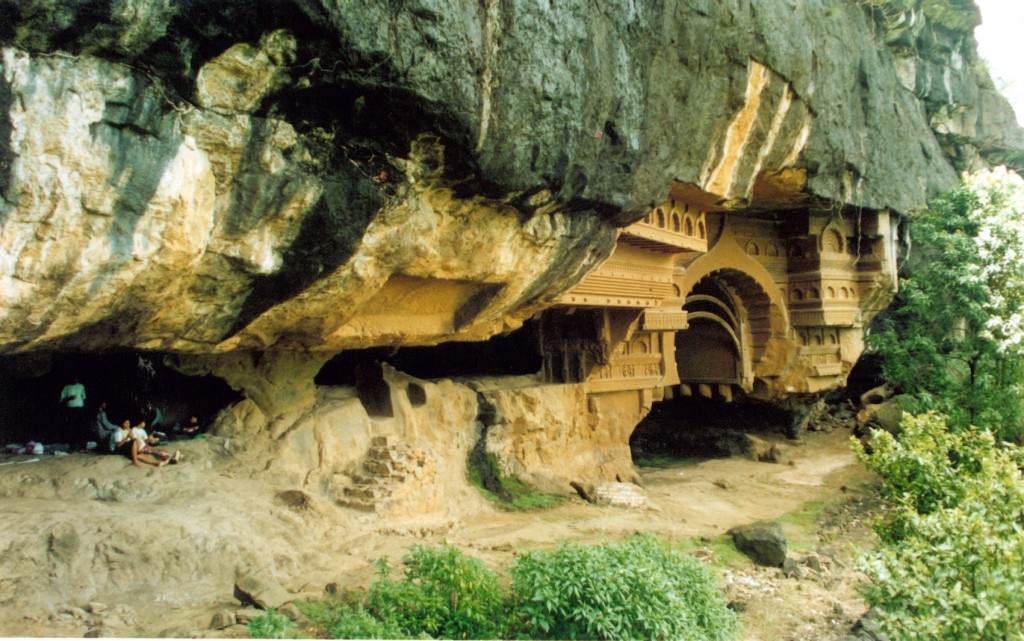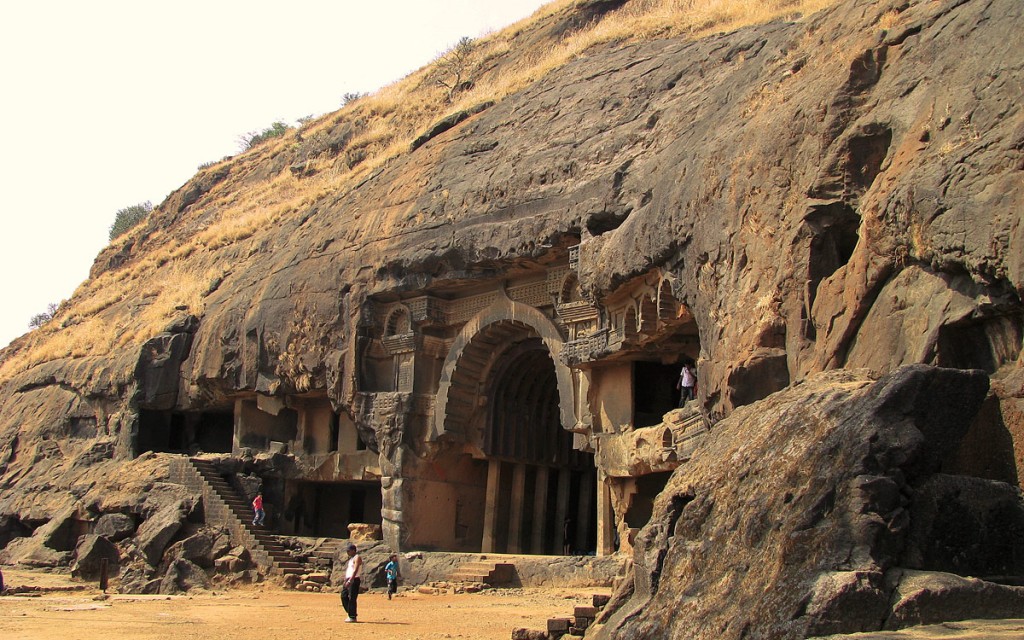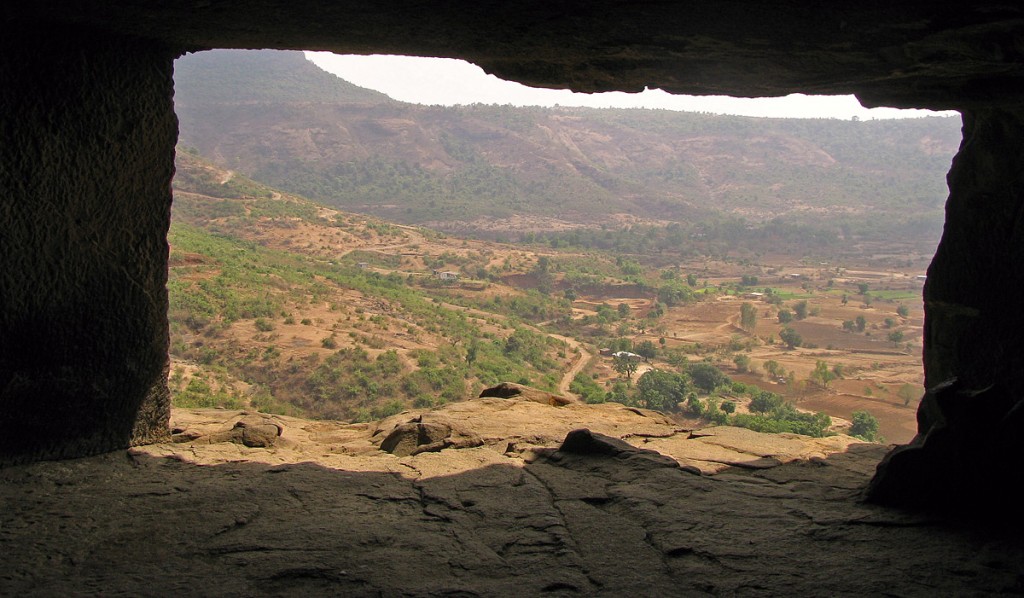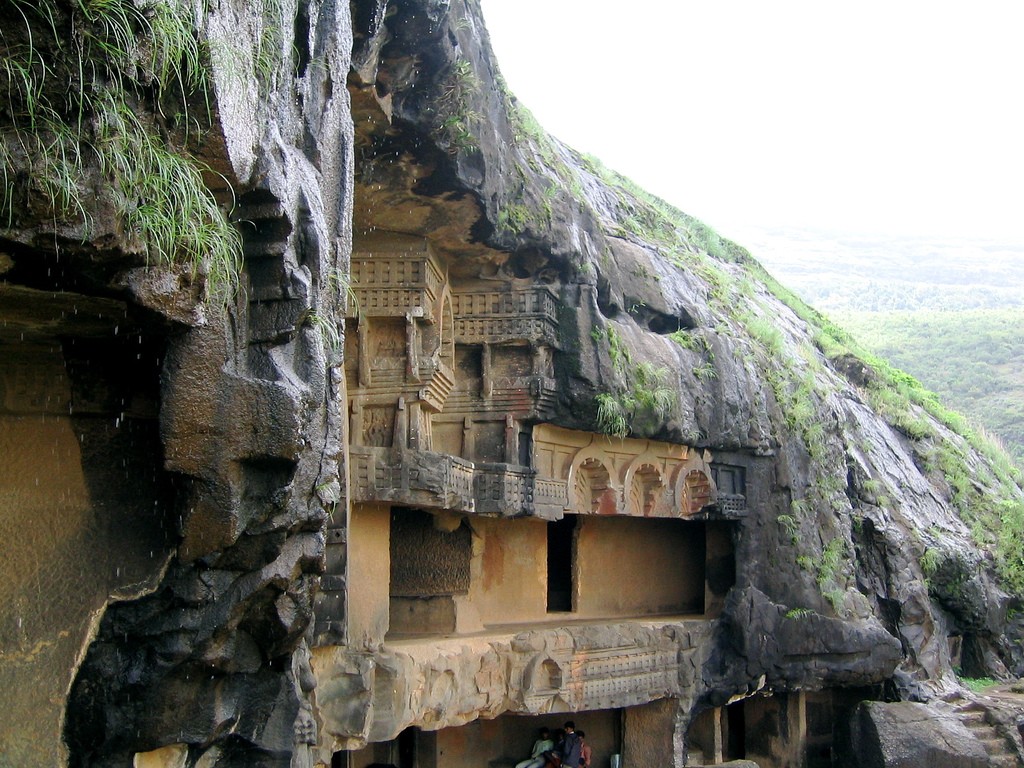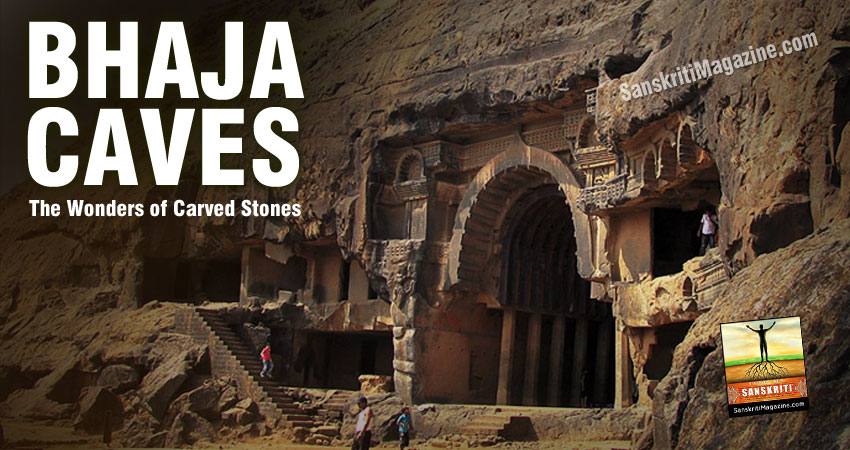
Bhaja Caves are one of the more popular Buddhist caves located at a distance of 12 km from Lonavla, in Pune district of Maharashtra, India. Lonavla is also known as the ‘Jewel of the Sahyadri’. The area was also in occupation during medieval period is attested by two Maratha forts, Lohagadh and Visapur along the adjoining hill top.
The importance of Bhaja is further enhanced by the presence of two more monastic complexes namely Bedsa located on the south face of the same hill in which Bhaja is situated and Karla, directly opposite north of Bhaja nearly 5km from the latter.
These caves share the same importance as those of others in Maharashtra, including the Ajanta, Ellora and Elephanta. They are believed to be built during the Mauryan rules in the early Theravadin phase of Buddhism.
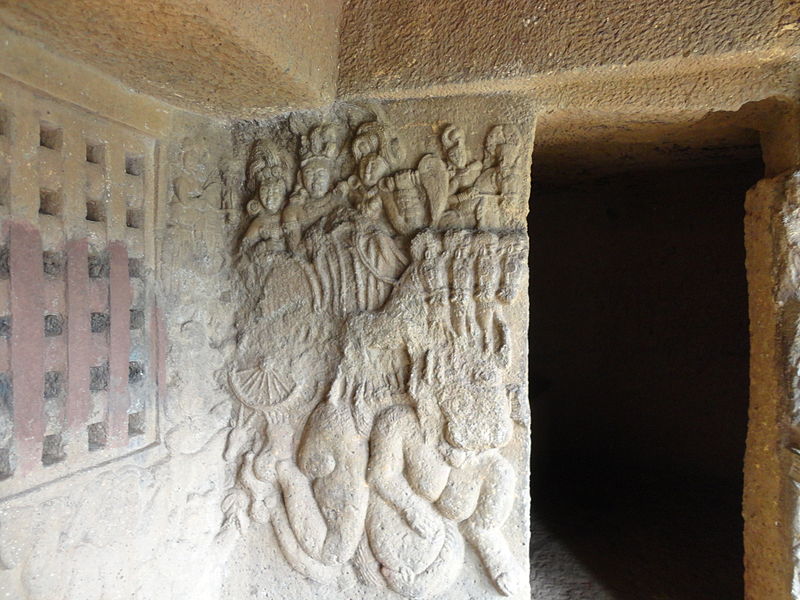
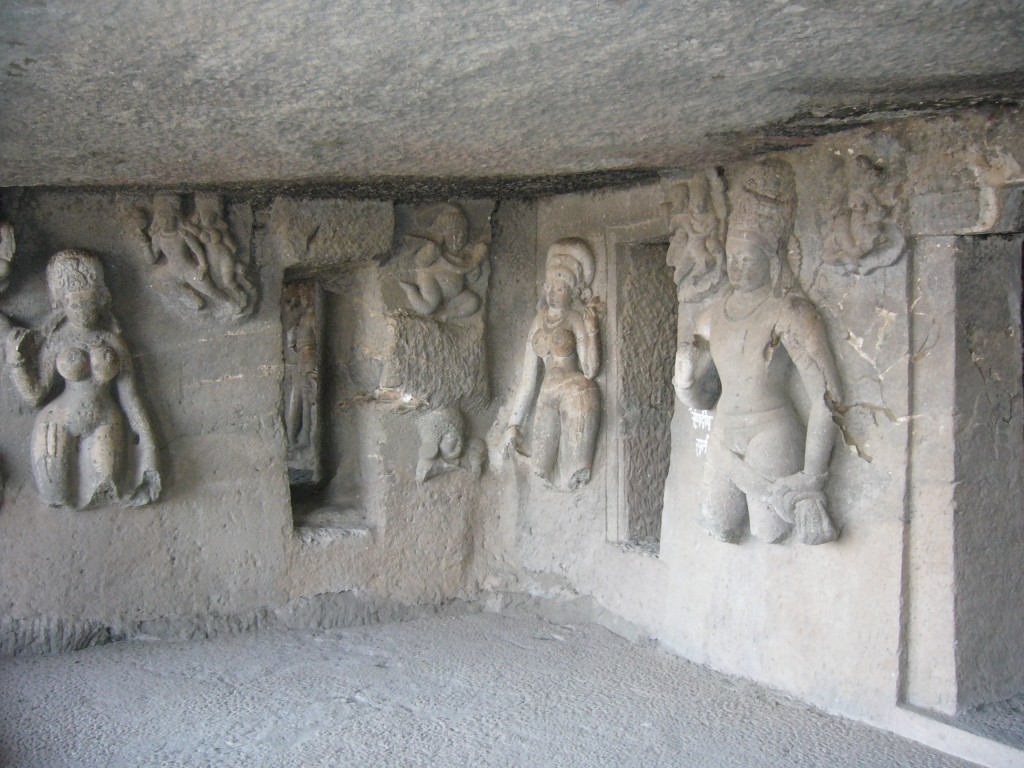
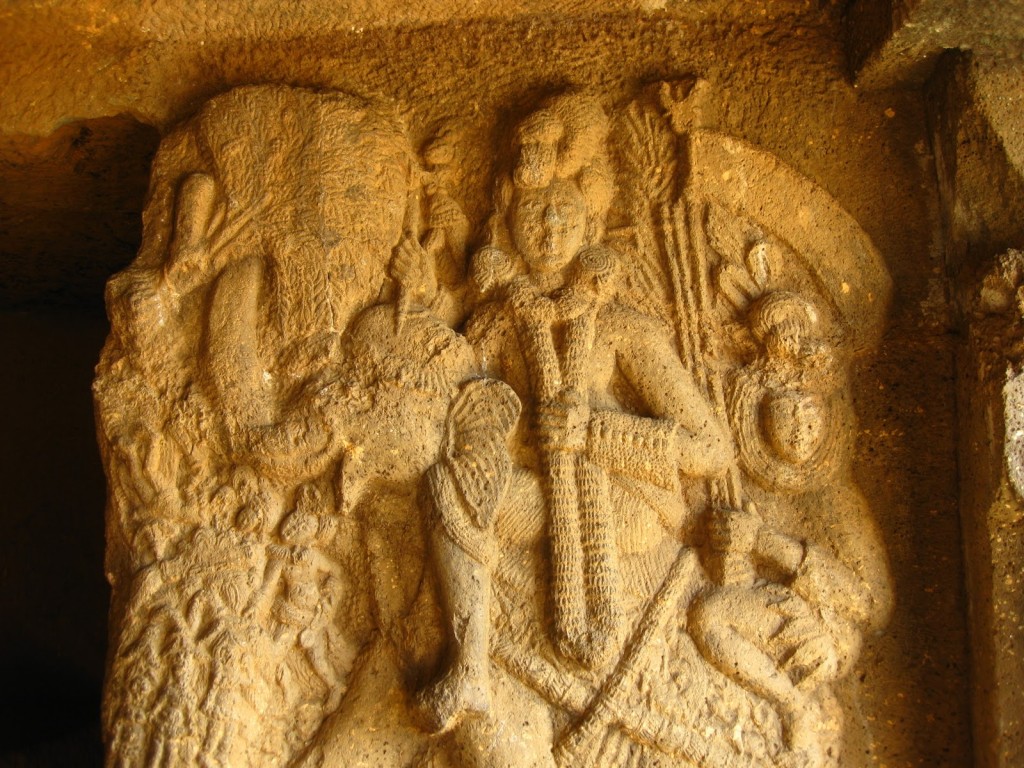
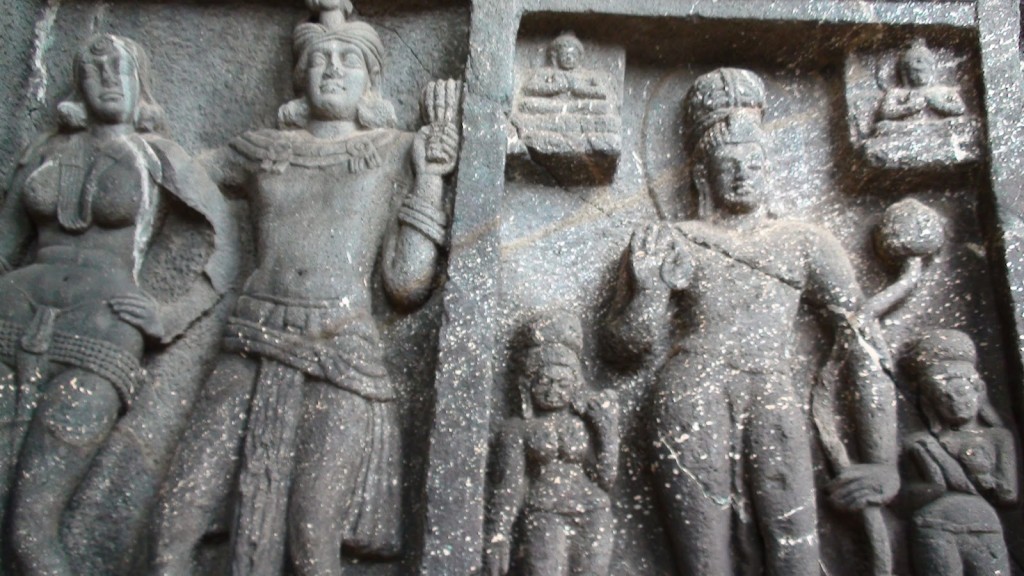
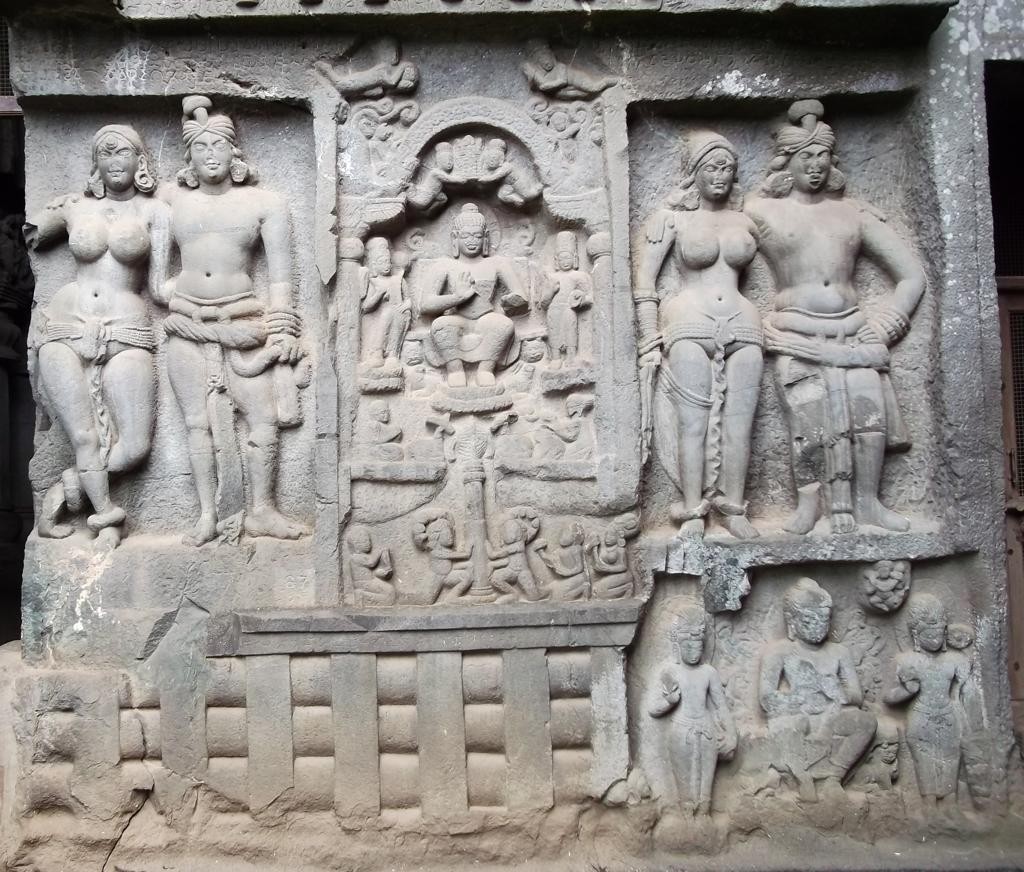
The caves represent Lord Buddha in a symbolic form whereas others have been representing events which took place in His Life. The caves, 18 in number, are beautifully sculptured with many images of different postures of Buddha, some animals and situations of some stories from tales of Buddhism.
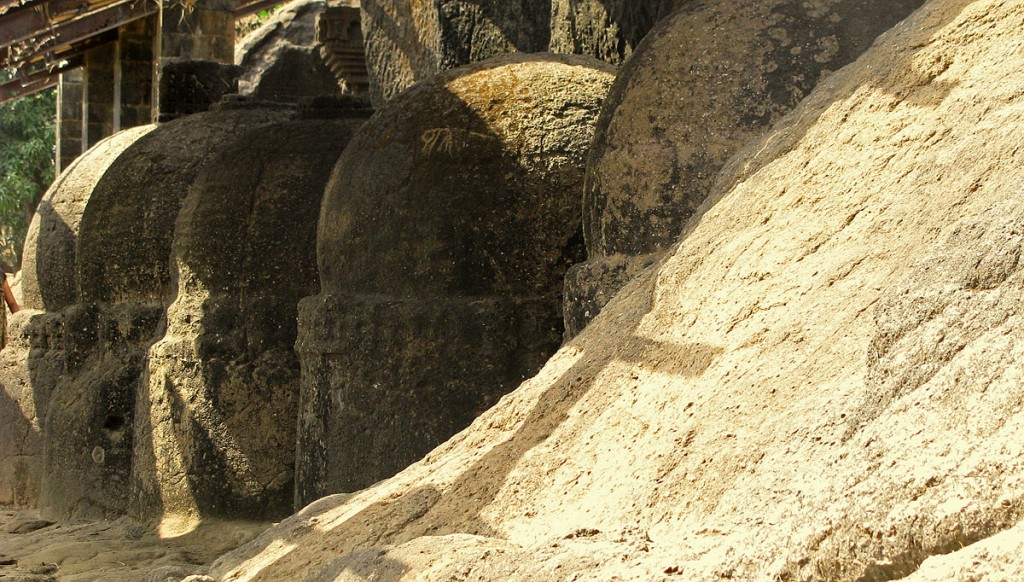
As usual with cave culture, there are many Viharas in Bhaja also, which most probably served as hostels for the learning Buddhist monks. The caves are also interesting for the fact that they are one of the oldest among all caves in India. The stupas – a common feature to all the caves, also add to the fact that these caves despite being at different places, were motivated by the same motifs.
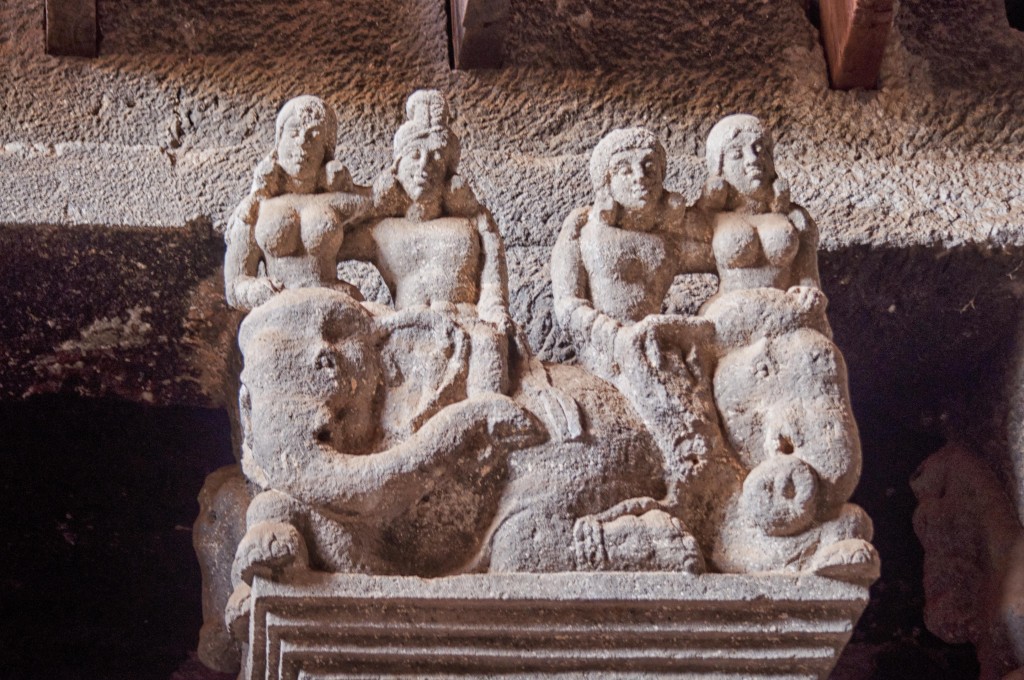
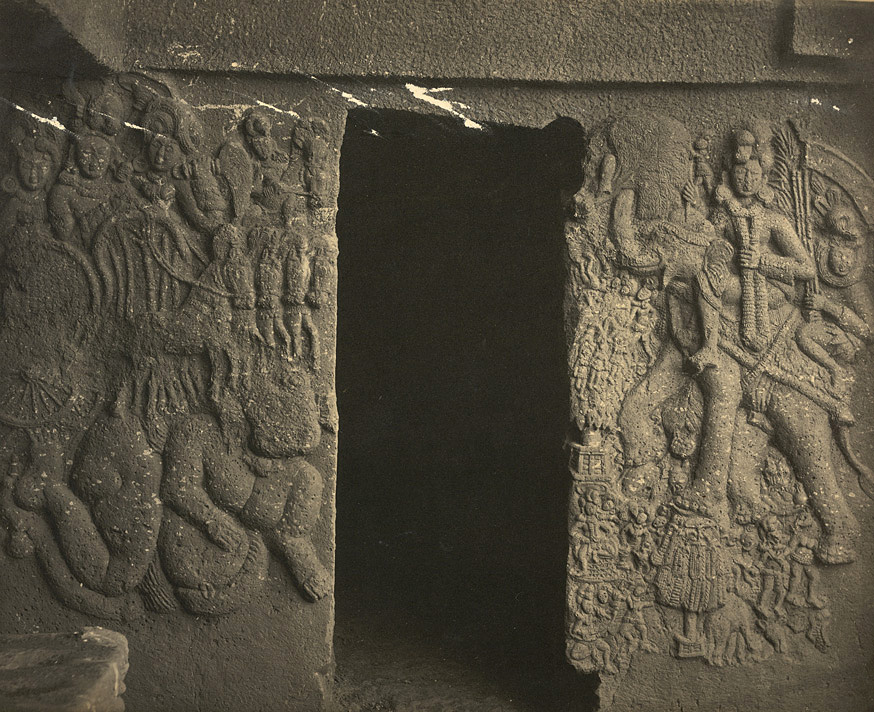
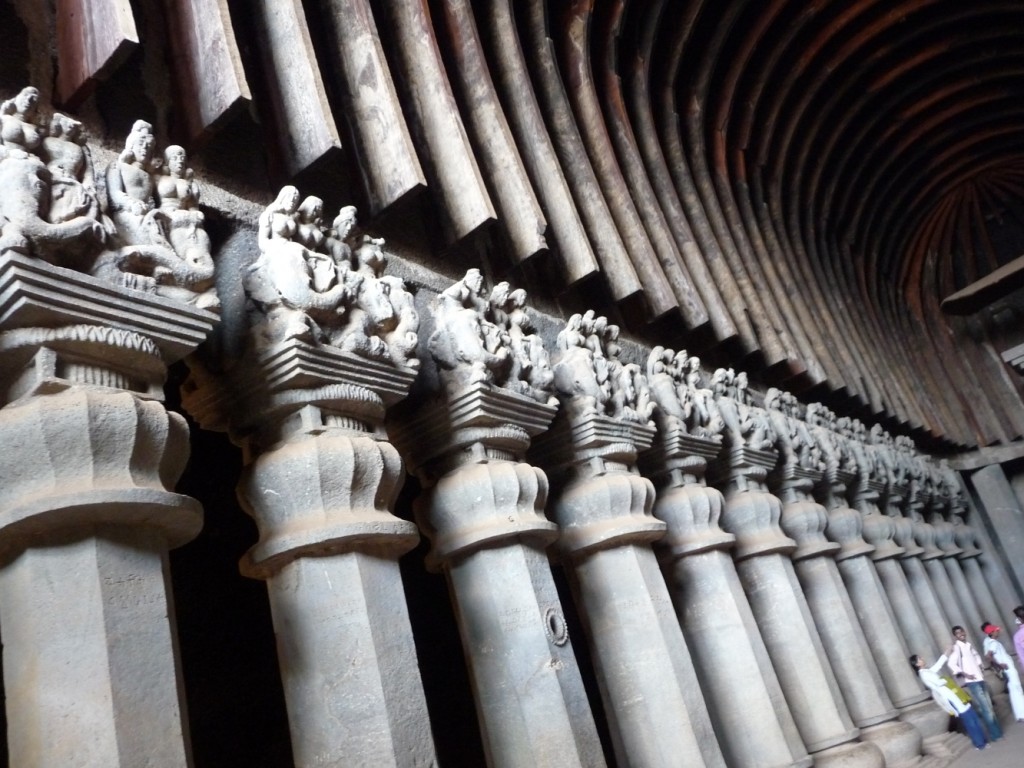
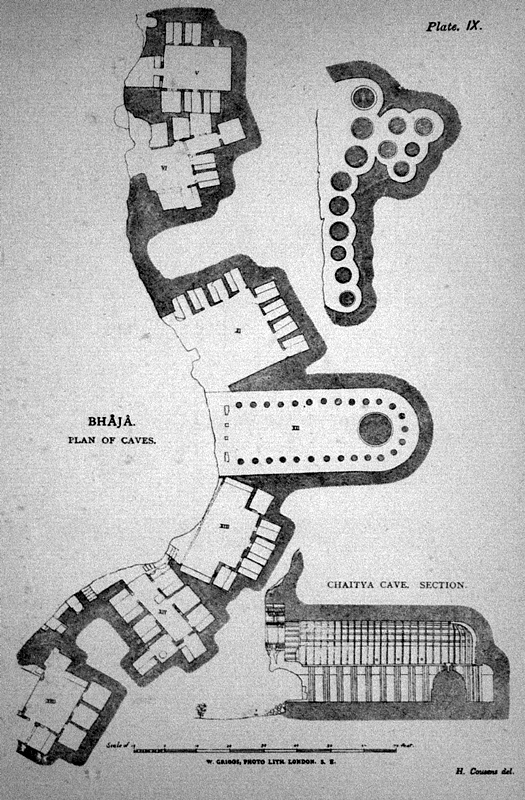
The pillars of these caves can be seen sloping downwards, some of them carved with figures of flowers and other images. Cave No. 12, a Chaitya hall, which is the largest of all has a fine stilted vault. The last cave towards the south illustrates the intricate architecture and sculpture in ancient India. This cave includes the pictures of a dancing couple, a prince seated on an elephant and other images. Cave No. 1, a dwelling house, and other 10 caves, which were viharas are master pieces of the architecture with a religious background. The remaining 7 caves contain inscriptions about the donors.
Other Caves
- Karla: The Karla caves, built by the Buddhist monks, dates back to 3rd to 2nd century BCE. These caves, consisting of monasteries, temples and viharas present the early Buddhist architecture in an excellent form. There is a sculpture of Buddha preaching seated on a lion-supported throne, which has magnificent carvings of three elephants. The pillars are adorned with motifs of elephants, men and riding women etc.
- Elephanta: located 9 miles across the sea from the Gateway of India, Mumbai and approximately 400 kilometers from Ajanta caves, Elephanta hosts some magnificent rock cut caves. These cave temples, dating back to the 7th century, have been dedicated to the Hindu lord Shiva depicting Him in all three major forms – Creator, Protector and Destroyer.
- Ellora: belonging to 5th century CE to 11th century CE, Ellora is located at a distance of 28 kilometers from Aurangabad in Maharashtra. The finest examples of cave-temple architecture in India, these caves comprise of cave temples relating to all three major religions in ancient India – Hinduism, Buddhism and Jainism.
- Ajanta: situated on the Sahyadri hills at a distance of 70 kilometers from the Ellora caves near Aurangabad they form a major heritage centre of Maharashtra along with that of Ellora and Elephanta. The Ajanta rock cut caves, 30 in number, comprises Chaitya halls, shrines, Viharas and monasteries, once used by Buddhist monks.
- Pithalkhora: dedicated to the Theravada sect of Buddhism, these caves are located on the Satmala hills, 78 kilometers from Aurangabad in Maharashtra. The largest Theravadin caves of the Indian sub-continent, the Pithalkora caves date back to the 2nd century BCE to 1st century CE and include mainly Buddhist temples, monasteries and viharas.
- Kanheri: belonging from period of 2nd century BCE to 9th century CE, Kanheri are located in Sanjay Gandhi National Park, Borivali, 40 kilometers from Mumbai, the state capital of Maharashtra. Built by the Mauryan and Kushana rulers, these caves comprise of monasteries, viharas and temples used by the Buddhists.
- Aurangabad Buddhist Caves: these date back to 4th-8th century CE, thereby forming a major centre of attraction in Aurangabad among the tourists. Built by the Chalukya and the Vakataka rulers, the caves are related to the Mahayana sect with two exceptional cases – one dedicated to the Hindu God Ganesha, while another one relates to the Theravadins.