Ayurveda, being a stream of treatment, can no way ignore the importance of psychic condition of a patient to effectively diagnosis and treat disorders. Medical science admits that the root cause of multiple disorders lies in psychic tensions. Ayurveda too has a well developed branch of psychiatry, which has clinically proven practices of treating mental ailments and also physical problems associated with psychological imbalances.
Psychological Practices and Psychiatry in Ayurveda
Many diseases are proved to originate from psychological imbalances. Being the authority over human body, the psychological imbalances sprout out all sorts of disturbances and diseases in the body. You might have noticed a headache is associated with the tension regarding anything; so are several aches and ailments. Only a sound mind can keep the body in sound health. The ailments associated with psychology of human beings are generally placed under psychosomatic in the allopathic medicine.
Ayurvedic approach to psychology
In Ayurveda every complete human being is considered as a combination of both mind and body. The perfect balance of mind body and soul is considered as complete health in Ayurveda. Mind is named ‘Manas’. Ayurveda scripts say that a possibility for disease is the ‘tamas’ or ‘rajas’ in the mind which are the factors of the ‘tridoshas’. These terms literally mean the darkness and brightness of the mind or the clearness of mind or tensions accumulated. These impurities or imbalances are called ‘doshas’. The reason for any unhealthy condition is the toxins create by the accumulated ‘dosha’. Ayurvedic sages were more concentrated on the aspect of mind and thus, molded the system of Ayurveda as treating process combining both mind and body. Ayurveda declares that health is the result of pure body and selfless mind. There are specific mental treatments in Ayurveda to cure physical problems as well mental disorders. The mental attitude of a person has great role in the curing process. Even the modern medical science admits that without the proper consent and mental co-operation, no patient could be cured perfectly.
ALSO READ: NATURE’S CURE FOR DEPRESSION
Psychological practices in Ayurveda
Yoga and meditation are the very common psychiatric practices associated with Ayurveda. Physicians prescribe these two methods almost all the patients. Yoga is effective not because of the exercises involved in it, in fact, yogic practices are not at all exercise similar to that is performed in a health club. Yoga is an ancient form of influencing the mind and achieving mental stability and calmness. Yoga helps a person to control his/her mind and gain perfect psychic balance. Under full concentration one can master over his/mind thus, cleanse the impurities. Meditation is another method of dominating the mind. In deep meditation a person becomes powerful to make the mind following the commands given. Controlling thoughts is an exercise executed in the psychic level.
Mental ailments and treatments in Ayurveda
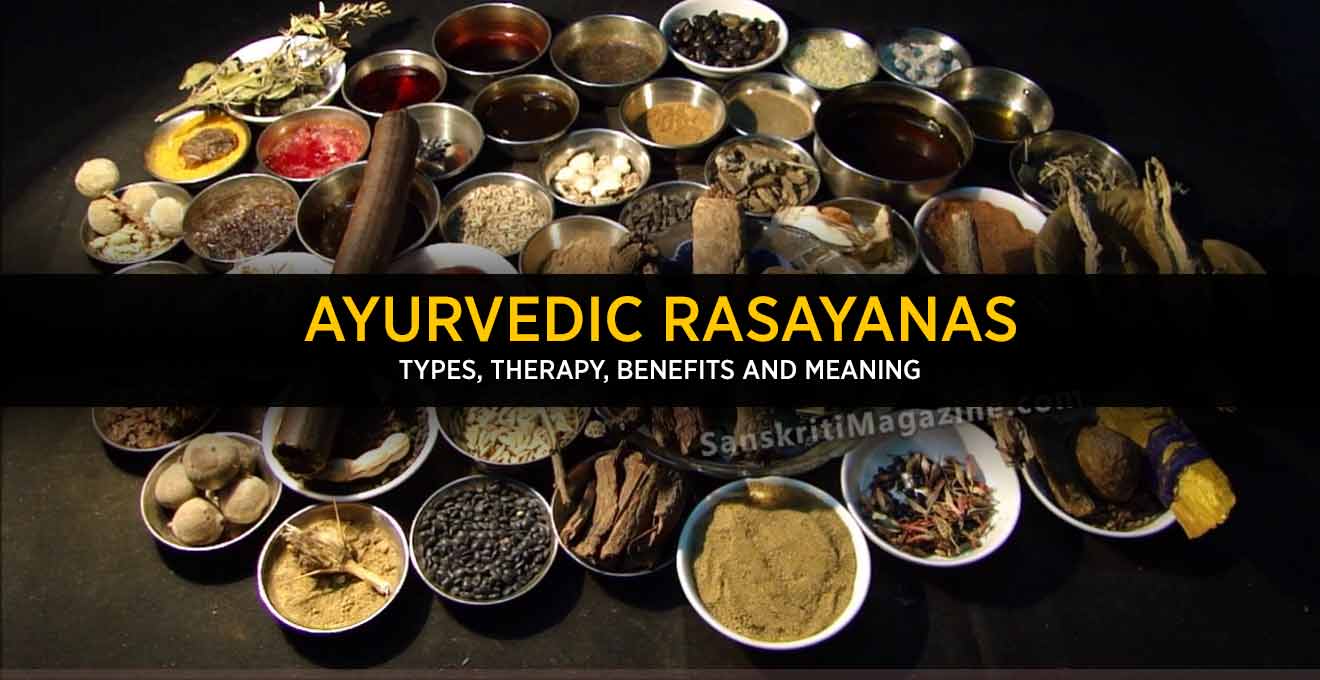
Just as the modern medicine has allocated mental illness to the psychiatry division, Ayurveda too has several treatment methods detailed in the ancient scripts. Ayurveda psychiatry is always been successful in treating a number of mental disorders. There are certain herbs of medicinal effect used in Ayurveda. These herbs are collectively called ‘medya rasayanas’. Clinically these herbs are proved to nourish neurological tissues. These ‘rasayanas’ are use as nerve tonics. Panchakarma treatment is a common method to treat mental illness. Panchakarma is a combination of five treatment processes. The five processes are namely ‘nasya, vamana, virechana, vasti. Vasti are of two kinds in panchakarma. Nasya is a nasal therapy of poring certain medicinal liquids into the nose. Vamana is vomiting. Purging is named virechana in Ayurveda. Vasti is nothing but therapeutic enema. Depression, insomnia etc… are treated effectively in Ayurvedic psychiatry. Aswaganda and Bacopa are two herbs which are important tonics for nourishment of brain and also to treat mental illnesses. Ayurveda is more of a preventing method than a curing therapy. Ailments once cured ayurvedically has only rare chances to reoccur.