
Vedic Cultural Influence in Africa, also known as KushaDeep
By Stephen Knapp In ancient Vedic lore, Africa was known as KushaDeep, or Kushadvipa. Two reasons for this is because large stretches of land were

By Stephen Knapp In ancient Vedic lore, Africa was known as KushaDeep, or Kushadvipa. Two reasons for this is because large stretches of land were

France had already committed 300 million euros to the initiative when it co-founded with India a global alliance in 2015 to unlock new cash for

The fever had claimed three lives in the coastal state’s remote Sattari taluka of North Goa district in 2016, and one in 2015. At least

Rashtriya Swayamsevak Sangh general secretary Bhaiyyaji Joshi said there was a need to change the agrarian policy and the government has to ensure that farmers

The GNLA is suspected to be involved in the killing of NCP candidate from Williamnagar, Jonathone N Sangma, in an IED blast last month. Eight
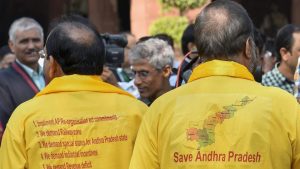
Andhra Pradesh BJP president Kambhampati Haribabu says the ground realities are different, the Telegu Desam Party is carrying out a ‘misinformation campaign’. The BJP on

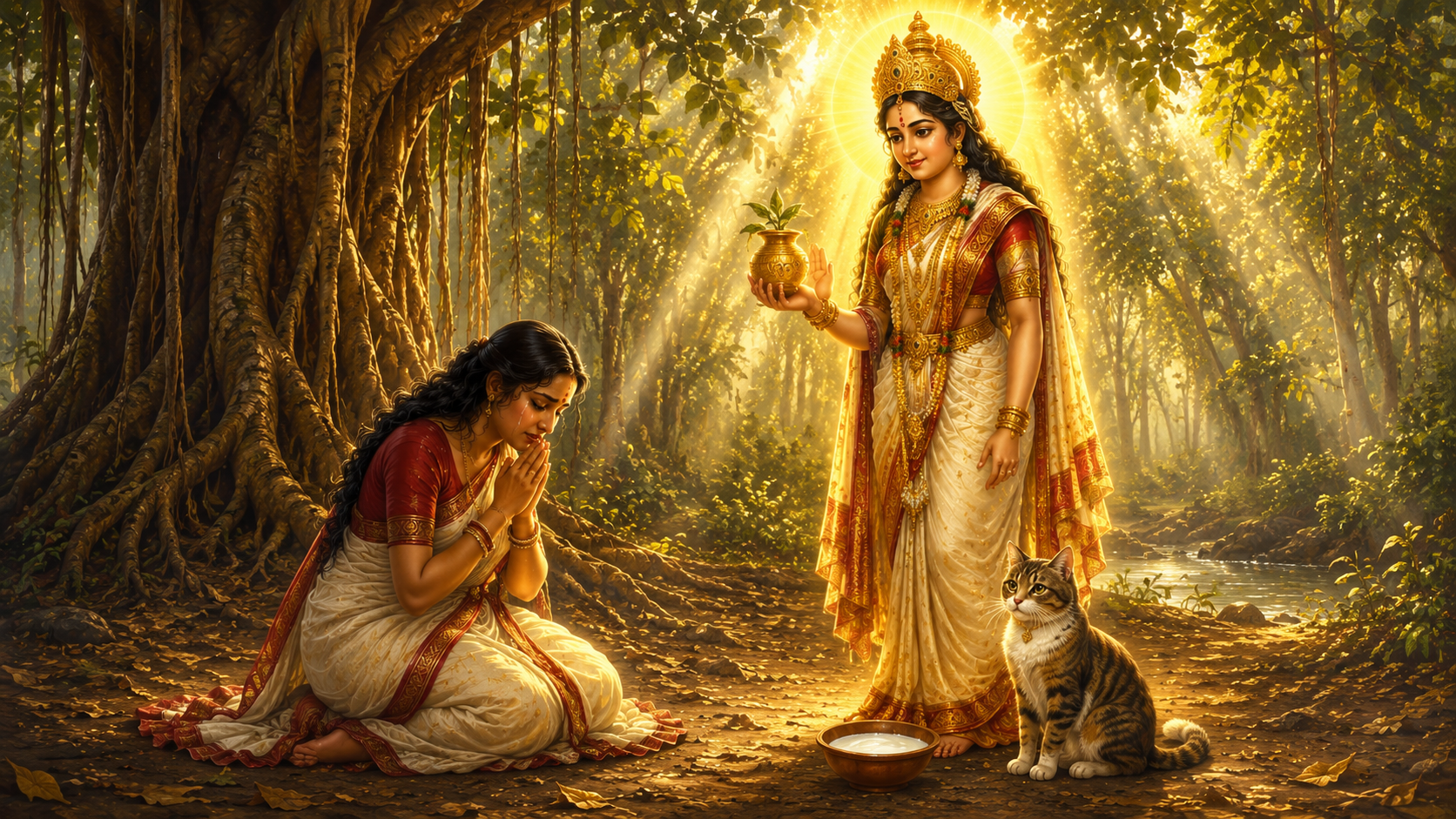
On Saturday, June 20, 2026, Bengali households across Bharata will welcome their married daughters and sons-in-law home for the legendary jamai-aador feast and perform the Shashthi Vrata. But behind the warmth lies a story most Bengalis know by heart and most non-Bengalis have never heard — the wife who stole the hilsa, blamed the cat, lost six sons to Maa Shashthi’s wrath, and was finally forgiven. The Vrat Katha, the vidhi, the mantras, and the deeper teaching.
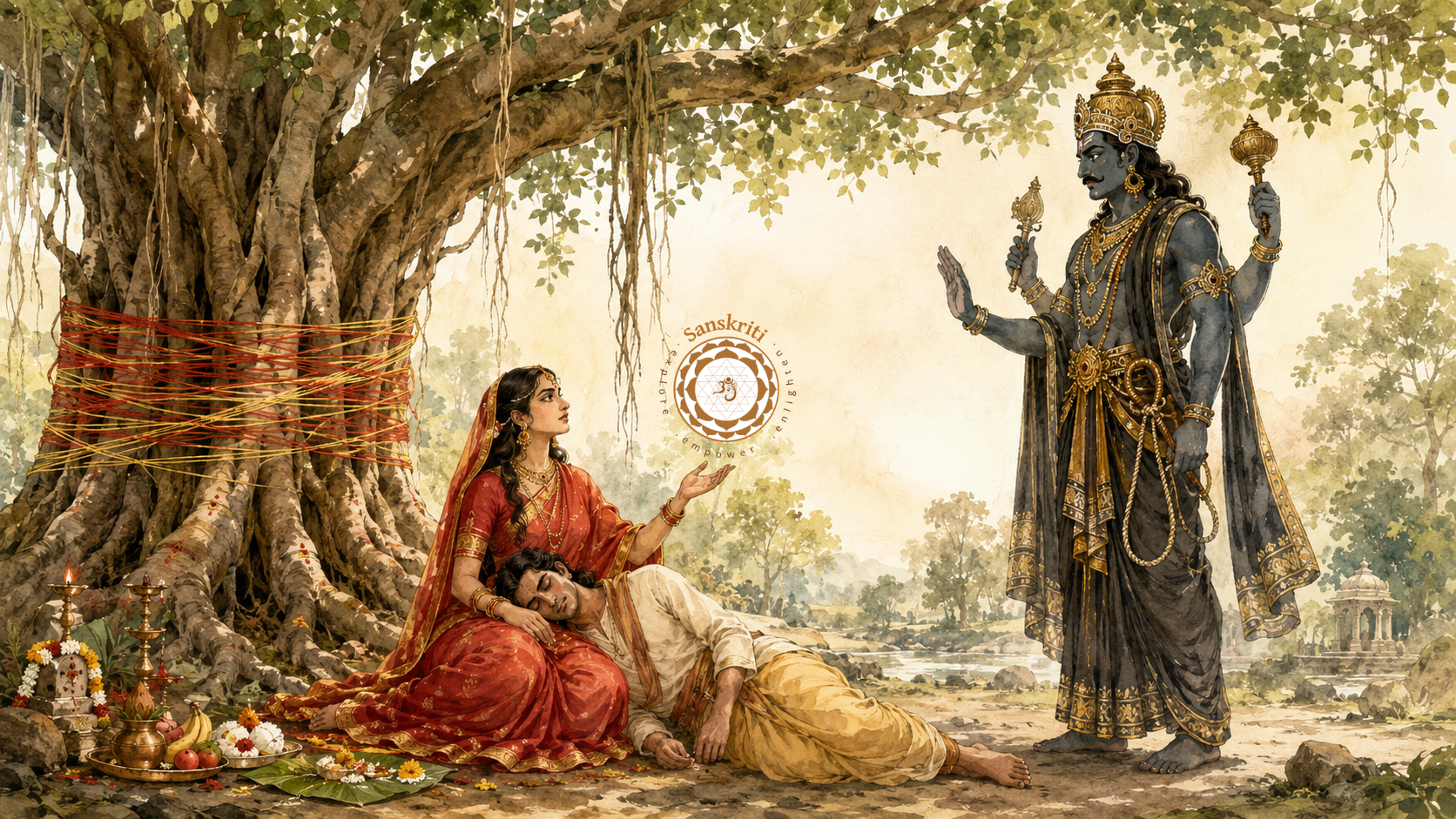
On Monday, June 29, 2026, women across Maharashtra, Gujarat, and southern Bharata will tie red thread around banyan trees and hear the story of Savitri — the wife who walked behind Yamaraja Himself when He came for her husband, and out-argued the Lord of Dharma into returning Satyavan’s life. The Mahabharata’s Pativrata Mahatmya Parva, the vrat vidhi, and why the banyan witnessed everything.

With Adhik Maas now closed on the Somvati Amavasya of June 15, the long-postponed festivals of Jyeshtha return — Vat Purnima (June 29, the Savitri-Yamaraja katha), Jamai Shashthi (June 20, the Bengali festival of Maa Shashthi), Sankashti Chaturthi (June 28), Yogini Ekadashi (July 10), and Devshayani Ekadashi (July 16, opening the four-month Chaturmas of Bhagavan Vishnu’s yoga-nidra). A guide to what the next four weeks hold and what the household that kept Purushottam Maas now carries forward.

On Monday, June 15, 2026 — a rare Somvati Amavasya — the intercalary month that bears Bhagavan Vishnu’s own name comes to its close. The Acharyas teach that a vrat is not measured by its duration but by its closing. Here are the Padma Purana’s instructions for sealing the month-long Purushottam Maas vrat: the morning snan, the closing puja with the Vishnu Sahasranama, the day of dana, the Somvati Amavasya gift, and the final sarva-arpana — the offering of all merit at the feet of the Lord.

Two weeks ago, Vaishnavas across Bharata kept Padmini Ekadashi — the rare Shukla Paksha Ekadashi of Adhik Maas. Padmini has a twin. On Thursday, June 11, 2026, the Krishna Paksha Ekadashi of the same intercalary month appears: Parama — the Supreme Ekadashi. The Padma Purana names it the rarer and more secret of the two, and reserves it for those whose poverty or sorrow has refused to lift in spite of every other vrat already kept. The story of Sumedha and Pavitra of Kampilya, the rishi Kaundinya, the prince sent by Bhagavan Brahma — and the vidhi for the day.

