What exactly is diabetes?
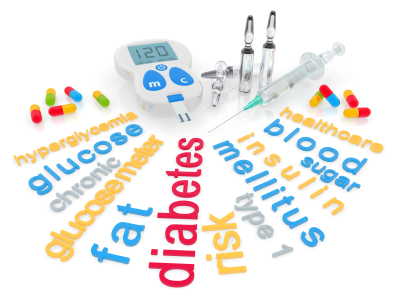
Diabetes in, very simplistic terms, can be defined as excess of glucose in the blood. When you consume food, your blood sugar levels rise. The rising blood sugar levels, the pancreas release the hormone insulin into your bloodstream.
The presence of insulin in your blood is the signal for your muscles, liver and fat cells to take up glucose from your bloodstream, where it is stored as glycogen, a principle source of energy for your body.
However, diabetes occurs when the pancreas fails to produce sufficient amounts of insulin and because diabetics lack sufficient insulin or are unresponsive to insulin, blood sugar levels remain high. If diabetes is not managed properly, it can lead to complications like heart attacks, strokes, blindness, nerve damage, amputation of limbs, impotence in men and pruritus (itching).
Type 1 Diabetes Mellitus also known as juvenile diabetes or insulin-dependent diabetes occurs due to the autoimmune destruction of the insulin producing cells of the pancreas resulting in increased blood and urine glucose levels. The symptoms for this are frequent urination, increased thirst and hunger and weight loss.
Type 2 Diabetes Mellitus also known as adult-onset diabetes or non-insulin-dependent diabetes is characterised by insulin resistance and deficiency. However, the cause for this is primarily rooted in lifestyle issues like increasing stress, sedentary living and an unhealthy diet, as well as genetics.
The symptoms for this are similar to Type 1’s and also include fatigue, vision changes, slow healing from cuts and wounds and skin changes. Type 2 diabetes can be controlled with proper diet and exercise and treatment.
 Ayurveda and diabetes:
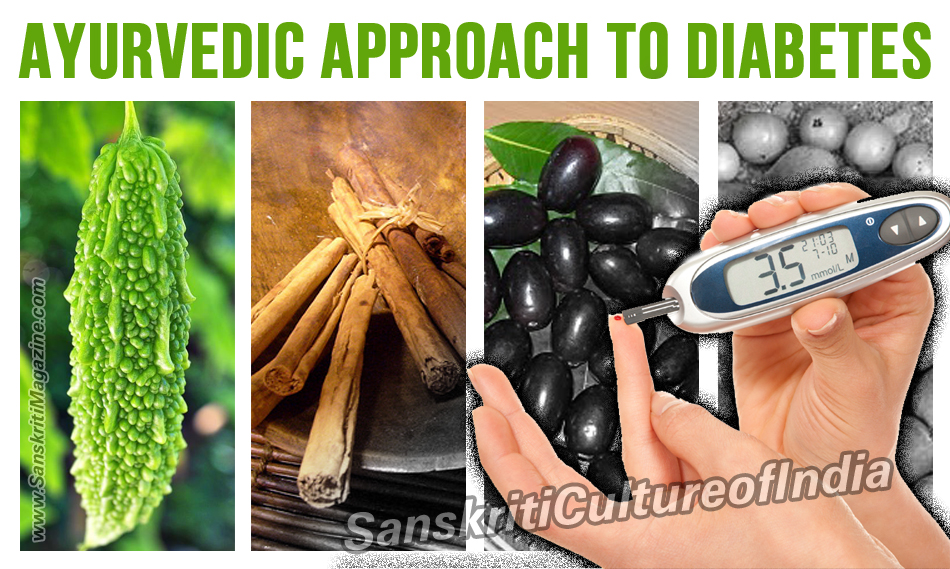
In Ayurveda, Diabetes is called Prameha. Unlike modern science that divides diabetes into two categories, Ayurveda further divides prameha or diabetes into 20 sub-divisions. These sub-divisions are based on doshas with 4 divisions due to Vata, 6 due to Pitta and 10 rooted in Kapha dosha.
The main and most common sub-division is the one rooted in Kapha dosha. Prameha when not treated leads to Madhumeha or Diabetes Mellitus (Type 2). According to Ayurveda the primary cause of Prameha and Madhumeha are an unhealthy diet that aggravates the Kapha dosha, lack of exercise, excessive sleep and stress. Ayurveda also points out that besides the symptoms mentioned earlier, one must also look out for burning of palms and soles, dryness of mouth and a sweet taste in the mouth.
In Ayurveda, Prameha and Madhumeha are divided into 20 sub-categories based on the doshas. The three main divisions are the Kaphaja, Pittaja and Vataja. The symptoms experienced by these three divisions if they are suffering from diabetes are as follows;
Kaphaja:
Indigestion, loss of appetite, cold with running nose, excessive sleep, vomiting tendency.
Pittaja:
Pain in bladder and urinary tract, pain in testes, fever, burning sensation, thirst, acidity. giddiness, loose motion, loss of sleep.
Vataja:
Tremors, insomnia, cough, difficulty in breathing, constipation, wasting away.
 Diabetic diet:
Ayurvedic practitioners have a multi-pronged approach to diabetes. Ayurveda, too, recommends lifestyle remedies that include limiting foods that are high in sugar and simple carbohydrates, eating smaller portions through the day, eating a variety of whole-grain foods, complex carbohydrates and vegetables every day, less fat and using less salt. It is also important to avoid smoking, reduce intake of alcohol, sleep adequately, check blood sugar levels periodically, check weight periodically and maintain ideal body weight.
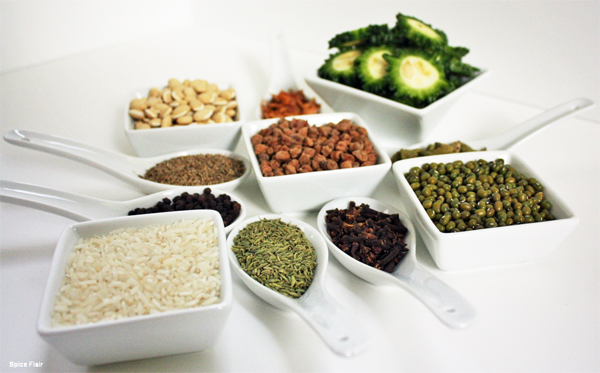
Ideally, your food proportion should be 60% vegetables, 30% protein, 10% carbohydrates with half an hour of mild exercise such as walking. The diet should be a Kapha-pacifying diet and should include protein-rich foods like soya bean products and lentils like chickpea, moong, masoor and vegetables like spinach, leafy greens, bottle gourd, turai, bhopla (white pumpkin), snake gourd and bitter gourd and, cereals like green millet, ragi, corn, horse gram and barley.
Intake of protein should, however, be limited as it can strain the kidneys. Similarly, limit the intake of fat as the deficiency of pancreatic enzymes makes digestion of fat difficult. A diabetic should avoid eating rice, potato, sweet fruits, white flour, wheat, red meat and sago. He or she should also avoid sugar, sugar cane, jaggery and juices of sweet fruits. In terms of fruits, oranges and lemon are good.
Herbs
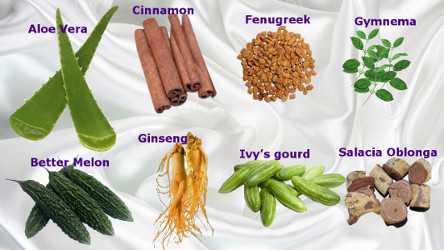
Herbal remedies, if taken correctly, have a powerful effect on your body but should only be used under the care and guidance of an Ayurvedic practitioner. These include Jambhul (Eugenia jambolana) powder from jamun core, Guggul, Amalaki, Triphala, Shilajit, Gurmar (gymnema sylvestre) and Bel (Aegle marmelos) Most of these herbs target elevated blood sugar levels and balance the same. In fact, some herbs like stevia and liquorice, are also used as a sugar substitute.
Treatment
Besides herbal medication, Ayurveda recommends the Panchakarma as a cleansing treatment program. The Panchakarma begins with an herbal massage and an herbal steam sauna followed by fasting to cleanse the body. This is followed by an herbal purge for the liver, pancreas and spleen and this is further followed by colon therapy which cleanses the digestive tract and reconstitutes the system.
Snehana and shodhana are also the basic treatment methods which are employed dependent on the condition and body type of the patient. The Shamana treatment is given after the above mentioned treatments, and uses combinations of herbal medications.
Exercise
Daily exercise is necessary to manage diabetes. Yoga is beneficial, especially asanas like Paschimottanasana and Halasana and Pranayama and Vajrasana.
~ Binu Sivan
SOME IMPORTANT FACTS
- The ideal diet for a diabetic
- 60% vegetables
- 30% protein
- 10% carbohydrates
DIABETES NUMBERS
- 366 million: People have diabetes in 2011
- 552 million: People will have diabetes by 2030.
- The number of people with type 2 diabetes is increasing in every country
- 40-59 years: The age span with the highest number of people with diabetes.
- 183 million people (50%): With diabetes are as yet undiagnosed.
Diabetes caused:
4.6 million: The deaths caused in 2011 by diabetes.
78,000: The number of children who develop type 1 diabetes every year.
(According to the International Diabetes Federation (IDF)).
 DID YOU KNOW?
A six-month trial on 63 diabetes patients by a hospital in India (Sassoon General Hospital) showed that Ayurvedic treatment resulted in 46 of them experiencing a significant decrease in their blood sugar levels. One out of 14 Type 1 diabetic patients was able to handle Type 1 diabetes without insulin after getting on the Ayurvedic treatment program. Nine other Type 1 patients have been able to decrease their insulin dosage from 35 units to 21.6 units. The positive results were even more astounding in the case of those suffering from Type 2 diabetes. 19 patients on the trial were able to completely stop their allopathic medications while 14 others could reduce their dosage after 180 days on the Ayurvedic treatment that included the herbal medication Madhusar.
7 Effective Home Remedies for Controlling Sugar
Ayurveda recommends many simple home remedies to keep diabetes under control. Incorporating one or two of these remedies into your daily diet plan can help you prevent or at the least manage your blood glucose levels.
- Mix half a teaspoon of turmeric powder + 1 teaspoon of amla powder + half a tablespoon of methi seeds powder in half a glass of water and take daily in the morning on an empty stomach.
- Mix honey with barley that is soaked overnight in Triphala decoction (available at Ayurveda stores) and have it several times during the day.
- Juice of bitter melon or gourd can test the toughest amongst us. But when taken on an empty stomach it works wonders at balancing our blood sugar level.
- Grind and mix 100gms of fenugreek (methi) seeds, 50gms of turmeric and some white pepper. Take one teaspoon of this powder with a glass of milk twice daily.
- Soak one teaspoon of fenugreek overnight in water and drink it with water or milk in the morning.
- A tablespoon of the juice of the Indian gooseberry mixed with a cup of fresh bitter gourd juice is said to enable the pancreas to secrete insulin, if it is taken daily for two months.
- Drink a glass of water with 10 tulsi leaves, 10 belpatras and fenugreek leaves early in the morning on an empty stomach.