Introduction
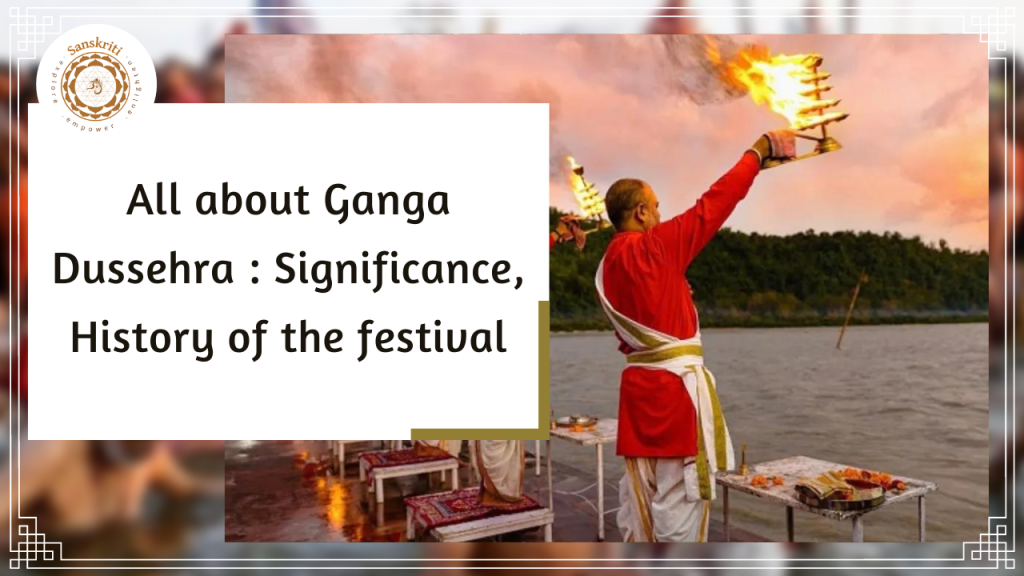
Ganga Dusshera, also known as Gangavataran or Jahnu Saptami is a Hindu festival that marks the descent of the holy river Ganges from heaven to earth. It is celebrated on the 10th day of the bright lunar fortnight of the Hindu month of Vaishakha which usually falls in April or May.
Ganga Dussehra is a Hindu festival celebrated on the 10th day of the bright lunar fortnight of the Hindu month of Vaishakha which usually falls in April or May. It marks the descent of the holy river Ganges from heaven to earth.
Ganga Dussehra is a Hindu festival celebrated on the 10th day of the bright lunar fortnight of the Hindu month of Vaishakha which usually falls in April or May. It marks the descent of the holy river Ganges from heaven to earth. The festival also honors Lord Vishnu, who descended as river Ganges to earth to help his devotee Bhagirath get rid of his sins after he committed a sin by disobeying his father and stealing water from Madhukarnik Kunda (tank).
It is believed that during this time, water turns pure and devotees take bath in sacred rivers like Ganga to cleanse themselves off their sins. In fact, many Hindus go on pilgrimages to places where they can immerse their ashes or perform rituals during this festival so that their family members get moksha or liberation from samsara (cycle of birth and death) after death
It is also known as Jahnu Saptami, and as Gangavataran (the descent of Ganga) or Gangotri Dussehra.
Ganga Dussehra is also known as Jahnu Saptami, and as Gangavataran (the descent of Ganga) or Gangotri Dussehra. According to the Hindu mythology, Lord Shiva had severed his hair to release the Ganges from his head. The river was caught in Shiva’s hair and when he shook his head, she fell on earth at Devprayag.
Gangavataran falls on Ashwin Shukla Paksha Saptami of Bhadrapada month in North Indian Hindu calendar
The day marks the descent of the sacred river from heaven to earth. According to legend, sage Bhagirath worshipped Lord Brahma for thousands of years to bring back the lost son and 60,000 ancestors who had been cursed by Rishi Kapila to perish.
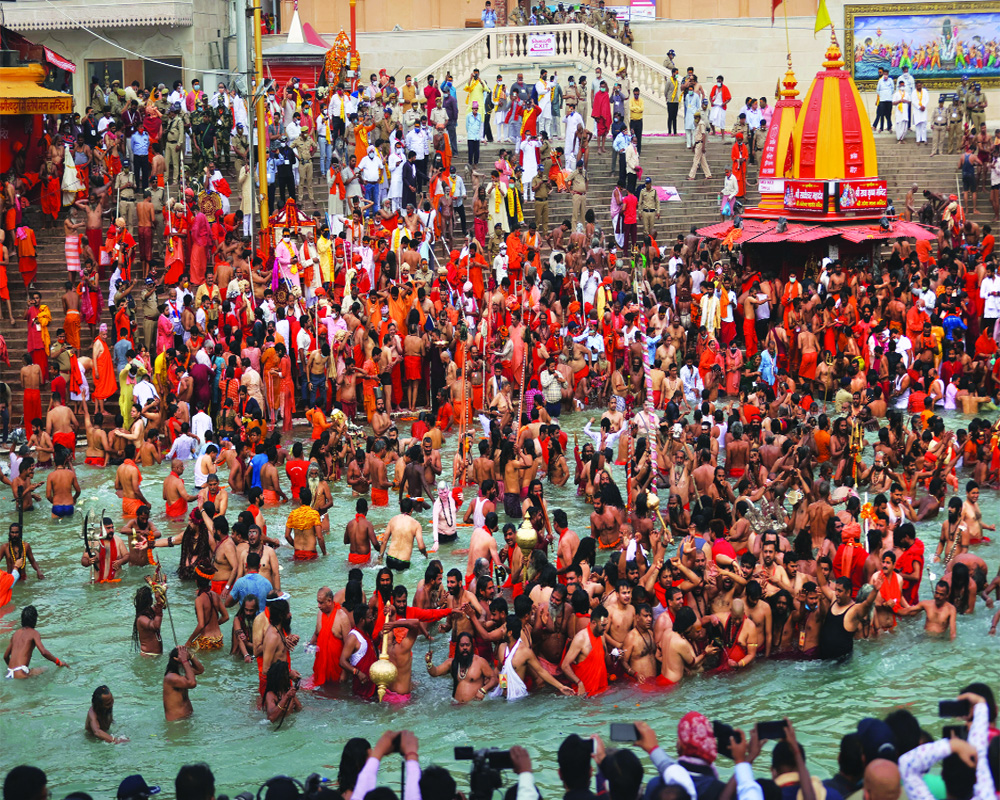
Ganga Dussehra is celebrated in a grand manner at Haridwar. The day marks the descent of the sacred river from heaven to earth. According to legend, sage Bhagirath worshipped Lord Brahma for thousands of years to bring back the lost son and 60,000 ancestors who had been cursed by Rishi Kapila to perish.
Lord Shiva was pleased with his devotion and granted him his wish by making Ganga descend on earth from heaven along with her companions Yamuna and Saraswati rivers.
On this day people take a dip in holy Ganga during sunrise and offer prayers to Lord Shiva before immersing idols of Goddess Ganga into it after sunset as an act of worship and reverence.
The water from the heavenly river was so powerful that Lord Shiva broke it into twelve streams so that it descends to Earth gently without drowning away mankind completely.[citation needed]
The legend of Ganga Dussehra traces back to the time when Lord Shiva got married with Parvati, and was in search for a place to stay. He wandered around the world in search of a suitable dwelling place. As he crossed over Himachal Pradesh’s Shivalik Mountains, he came across Gangotri glacier where Ganga was born from her source – Gaumukh (the cow’s mouth).
As soon as she appeared out of the ice-covered glacier and hit the earth, she started flowing down like a river towards Alaknanda River. But soon enough, she became too powerful that it created havoc on Earth by drowning all living beings on its way.[citation needed] In order to reduce this pressure on humans and animals living there, Shiva broke off some parts from his trident which turned into 12 streams that divide into hundreds more streams before merging into Yamuna River at Haridwar town in Uttar Pradesh state.[citation needed]
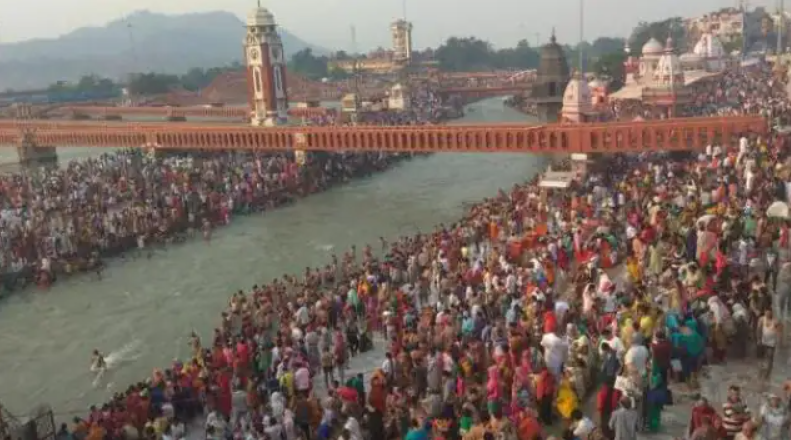
The story is commemorated as Ganga Dusshera or Ganga Jayanti, when people commemorate the descent of this auspicious river on Earth.
The story is commemorated as Ganga Dusshera or Ganga Jayanti, when people commemorate the descent of this auspicious river on Earth. The date of the celebration varies from year to year, but it falls most often in April or May.
During this festival, women visit various temples along the riverbank to offer their prayers and flowers to the goddess Ganga. After that, they perform “abhishekam” (ritual bathing) at one or more ghats on a boat. On these ghats, there are typically statues of deities such as Shiva and Vishnu shown with four arms representing their functions: creation/destruction; preservation; destruction/salvation; respectively). These deities signify that many Hindus believe all lives are interconnected through karma: we reap what we sow into society when we live in harmony with nature (instead of harming it).