The results showed that a 10% increase in the proportion of ultra-processed foods in the diet was associated with increases of 12% in the risk of overall cancer and 11% in the risk of breast cancer.
New Delhi: The health hazards of consuming processed foods are something we keep hearing every other day. Unfortunately, that does not change the fact that processed food consumption is quite high the world over.
While numerous studies have previously linked processed food with cancer, another study has echoed the stance, warning about a possible association between the two.
While further exploration is required, these results suggest that the rapidly increasing consumption of ultra-processed foods “may drive an increasing burden of cancer in the next decades,” warned the researchers.
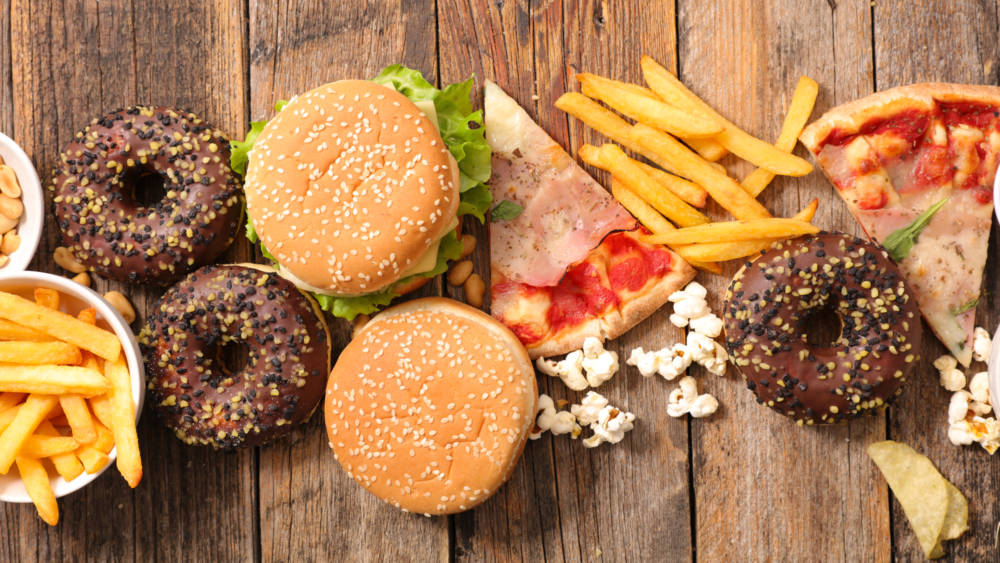
Ultra-processed foods include packaged baked goods and snacks, fizzy drinks, sugary cereals, ready meals and reconstituted meat products – often containing high levels of sugar, fat, and salt, but lacking in vitamins and fiber. They are thought to account for up to 50% of total daily energy intake in several developed countries.
A team of researchers based in France and Brazil evaluated potential associations between ultra-processed food intake and risk of overall cancer, as well as that of breast, prostate, and bowel (colorectal) cancers.
Their findings are based on 104,980 healthy French adults (22% men; 78% women) with an average age of 43 years who completed at least two 24-hour online dietary questionnaires, designed to measure usual intake of 3,300 different food items (NutriNet-Sante cohort study).
Foods were grouped according to the degree of processing and cases of cancer were identified from participants’ declarations validated by medical records and national databases over an average of five years.
Several well-known risk factors for cancer, such as age, sex, educational level, family history of cancer, smoking status and physical activity levels, were taken into account.
The results showed that a 10% increase in the proportion of ultra-processed foods in the diet was associated with increases of 12% in the risk of overall cancer and 11% in the risk of breast cancer. No significant association was found for prostate and colorectal cancers.
Further testing found no significant association between less processed foods (such as canned vegetables, cheeses and freshly made unpackaged bread) and risk of cancer, while consumption of fresh or minimally processed foods (fruits, vegetables, pulses, rice, pasta, eggs, meat, fish, and milk) was associated with lower risks of overall cancer and breast cancer.
This is an observational study, so no firm conclusions can be drawn about cause and effect, and the researchers point to some limitations. For example, they cannot rule out some misclassification of foods or guarantee detection of every new cancer case. Nevertheless, the study sample was large and they were able to adjust for a range of potentially influential factors.
“To our knowledge, this study is the first to investigate and highlight an increase in the risk of overall – and specifically breast – cancer associated with ultra-processed food intake,” wrote the authors.
They stress that further work is needed to better understand the effects of the various stages of processing, but suggest policies targeting product reformulation, taxation, and marketing restrictions on ultra-processed products and promotion of fresh or minimally processed foods may contribute to primary cancer prevention.
The study appears in The BMJ.