~ By Sonita Kashyap
Searching for the right answers in history can be a very slow and painful process for historians and archaeologists. It takes many years, sometimes decades to dig through the ruins and then decipher them to the best of abilities depending on the current state and mindset they are found in. Each and every evidence or tool found is historically important and cannot be set on the sidelines and neglected.
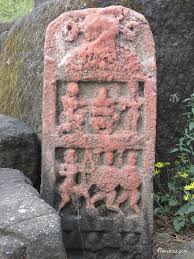
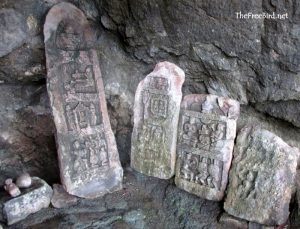
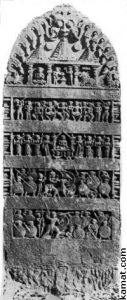
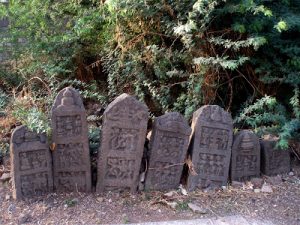
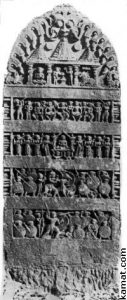
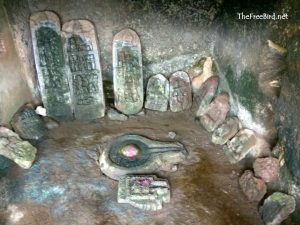
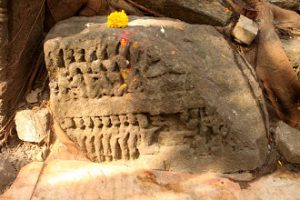
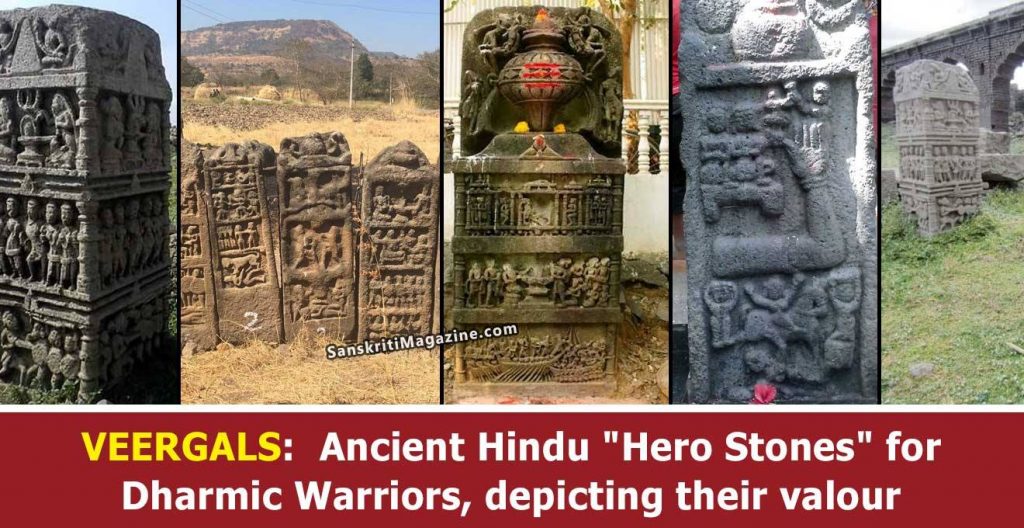
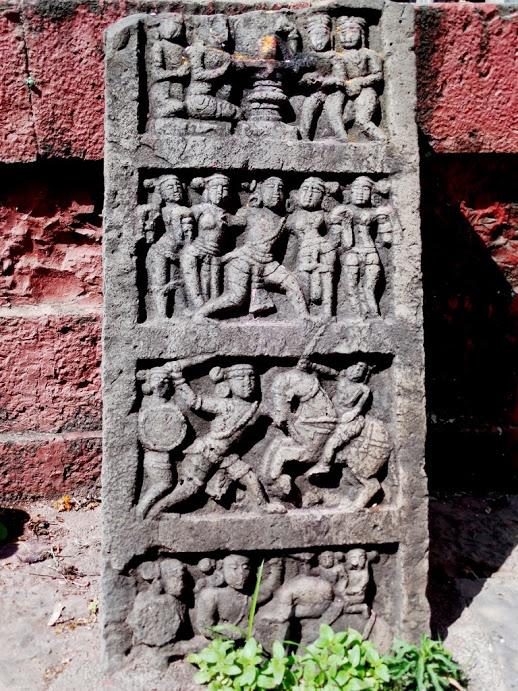 One such evidence of history is splattered across India right in front of our eyes but barely do we take notice or even give it any acknowledgment. It is the memorial stone of the braves who died in battles with the enemy and is most commonly known as Veeragal.
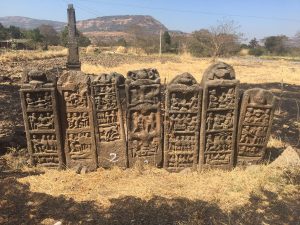
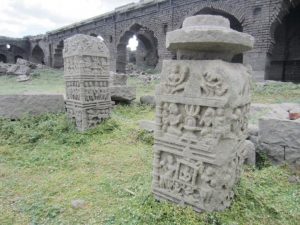
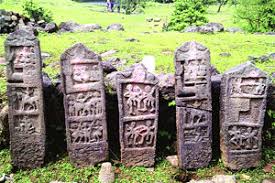
Derived from the Kannada language, Veergal is also known as the martyr stone. In North Maharashtra and Rajasthan it is called Palia while in English it is called the Hero’s Stone. The timeline of these stones suggests that they have been erected between the 3rd BCE to 18th CE. The largest concentration of these memorial stones, ranging from 5th century onward was found in the State of Karnataka, comprising of about 2,650 hero stones.
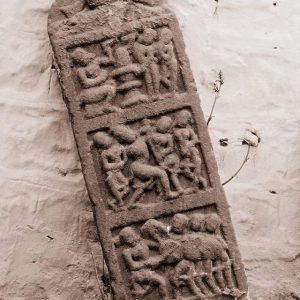
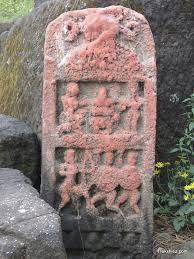
Veergals are usually divided into three areas but have occasionally been found to comprise of four or five panels, depending upon the event they are depicting. Lower part of the stone displays events of war in the battlefield. The middle part illustrates the hero sometimes seated in a palanquin or shrine and being taken to heaven by apsaras or other heavenly beings. The topmost panel depicts auspiciousness and shows the hero worshiping a deity such as a Shivaling.
 In some regions such as Maharashtra only statues are carved on the stones while in others such as Karnataka they also contain detailed information about the death of the deceased, the date of his death, his biography and the king reigning during the time of his death.
The stones not only portrayed warriors who died in battle but also the women who bravely gave up their lives by immolating themselves in the fire, lest they be caught by the enemy and brutalized in the most horrific manner. These are called the Sati Stones and again, they can be found all across India. One of the earliest stones in South India can be seen in Madras Government Museum dating back to about 10th CE while the ones found in Sagar, Madhya Pradesh have been dated from 700 CE, clearly in line with the Hindu-Muslim conflict and the constant attack of the barbarians on Bharat.
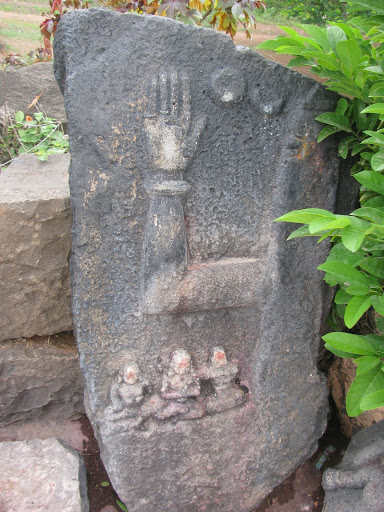
The Sati stones depicted a standard set of symbols of the sun and moon indicating eternity and an upright open arm and hand bent at the elbow with bangles intact showcasing her continual marital status even after immolation. Some of these stones inscribed the name of the sati, her husband and caste. The royal sati stones gave far more details of the event with inscriptions recording the number of women who took part.
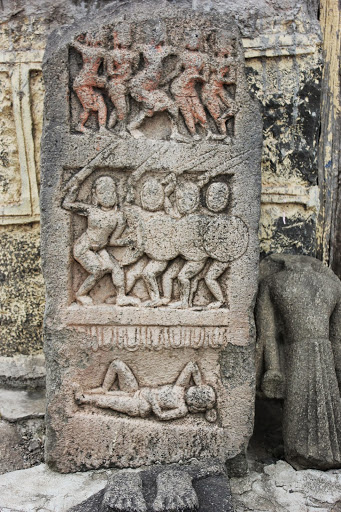 Two rare hero stones have also been found of women warriors going to a battle dating back to 13th CE. Another stone commemorating the death of King Butuga II’s favourite hound of Ganga Dynasty was also found, which died fighting a wild boar.
Apart from a few sites that are protected by ASI, most of these stones are now derelicts facing destruction since people are not aware of their historical importance. These stones not only face the effects of the environment but also the abuse hurled at them by the growth of human population.
History is one of the most under-rated and often neglected aspects of India by the hands of our very own people. It is a shame that we forget the sacrifices of our ancestors while glorifying centuries of oppression at the hands of foreigners. Our ancient heritage is an inheritance handed down to us by our forefathers and not just a monopoly for certain historians or scholars who will do anything for their 15 seconds of fame or a few bucks and distort it as they deem fit.
It is time we start taking pride in our legacy and work towards protecting and nurturing our past – EDUCATING the general public is a vital key in fixing this problem.