IndianSanskriti
A majority of people wanted the word to be replaced by "Hindu" or "religious freedom," according to Nepal’s Constituent Assembly

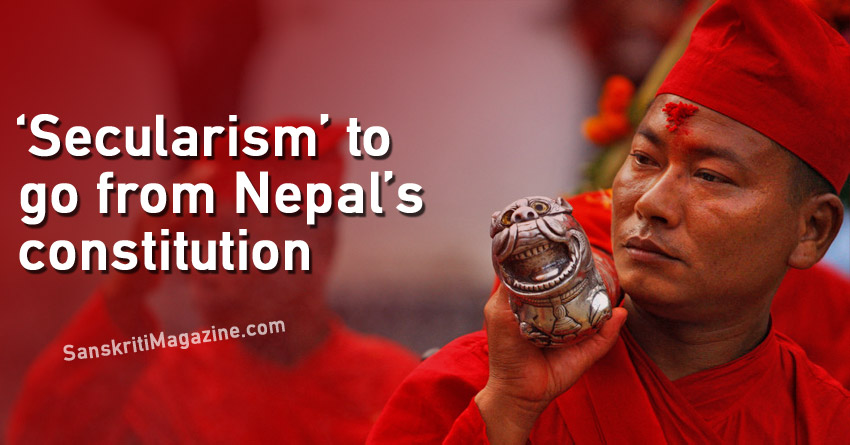
‘Secularism’ to go from Nepal constitution

A majority of people wanted the word to be replaced by “Hindu” or “religious freedom,” according to Nepal’s Constituent Assembly

In a major change, Nepal’s political parties have agreed to remove the word “secularism” from the new constitution.

Nepal was declared a secular country in 2007 after Nepal’s hardcore Unified Communist Party of Nepal-Maoist joined mainstream politics after a decade-long insurgency that killed over 13,000 people.

The decision ended Nepal’s century-old identity as the world’s only Hindu kingdom. Over 80 per cent of Nepal’s population is Hindu.

People wanted it

The political parties were forced to take a U-turn after millions of people, in their suggestions and feedback on the new constitution, called for the removal of the word “secularism”.

A majority of people wanted “secularism” to be replaced by “Hindu” or “religious freedom,” according to Nepal’s Constituent Assembly that is now busy studying people’s views vis-à-vis the new constitution.

Nepal is on the verge of promulgating the new constitution.

It doesn’t fit: Prachanda

“The word secularism does not fit. So we are replacing it by another word,” UCPN-Maoist chairman Pushpa Kamal Dahal alias Prachanda told the media on Monday.

“The word has irked people… It has hurt the sentiments of millions,” he said. “We must respect the verdict of the people.”

The Nepali Congress, the Communist Party of Nepal-Unified Marxist Leninist and the Madeshi-based political parties also wanted “secularism” to go.

Other feedbacks from people included a directly elected prime minister or president.
You may also like

Search the website

Like us on Facebook

Get daily updates via Email

Enter your email address:

Recent Posts

Yogini Ekadashi 2026 — The Yaksha Who Missed the Morning Flowers, and the Ekadashi That Undid His Curse

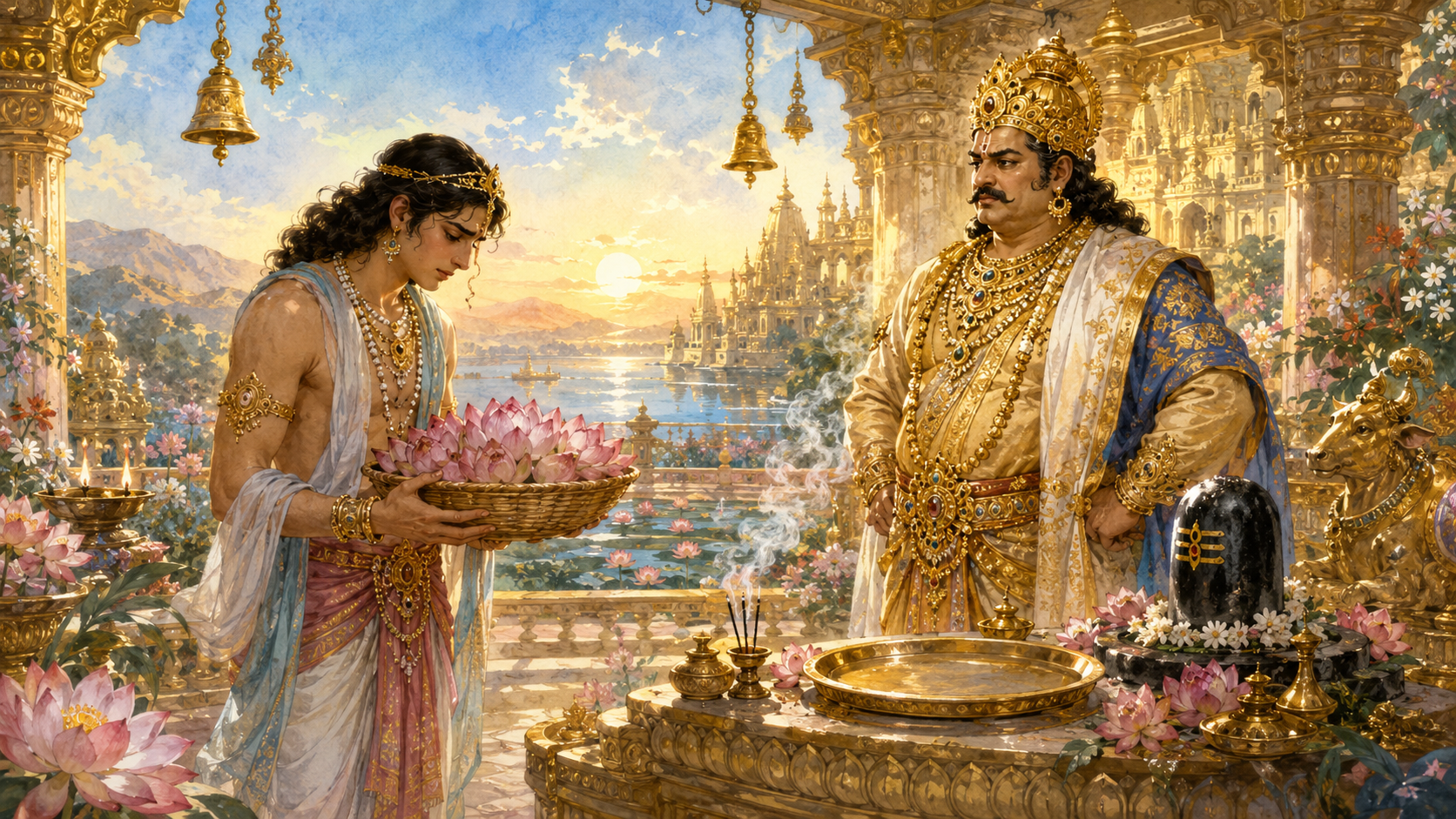
On Friday, July 10, 2026, the rare Krishna Paksha Ekadashi of Nija Ashadha arrives. The Padma Purana tells the story of Hemamali — the Yaksha gardener of Bhagavan Kubera in Alaka, whose single morning of distraction with his wife Vishalakshi cost him his form, his wife, and his celestial city. Cursed to wander the earth of Bharata as a leper for a long time, he was at last shown the way back by Sage Markandeya — a single sincere keeping of Yogini Ekadashi.

Jamai Shashthi 2026 — The Story of Maa Shashthi, the Cat, and the Wife Who Was Forgiven

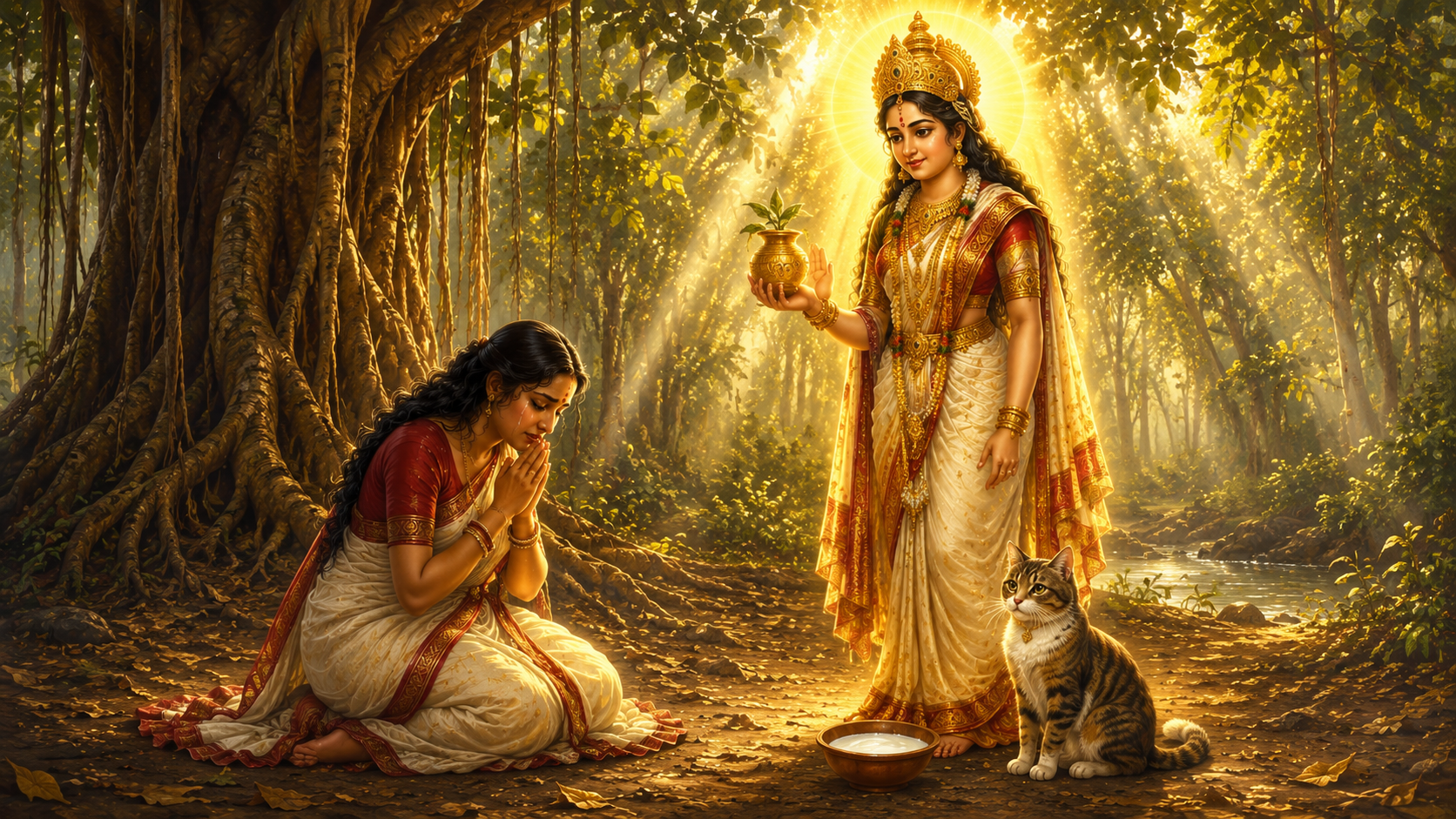
Jamai Shashthi 2026 — The Story of Maa Shashthi, the Cat, and the Wife Who Was Forgiven

On Saturday, June 20, 2026, Bengali households across Bharata will welcome their married daughters and sons-in-law home for the legendary jamai-aador feast and perform the Shashthi Vrata. But behind the warmth lies a story most Bengalis know by heart and most non-Bengalis have never heard — the wife who stole the hilsa, blamed the cat, lost six sons to Maa Shashthi’s wrath, and was finally forgiven. The Vrat Katha, the vidhi, the mantras, and the deeper teaching.

Vat Purnima 2026 — The Wife Who Argued Yama Into Returning Her Husband’s Life

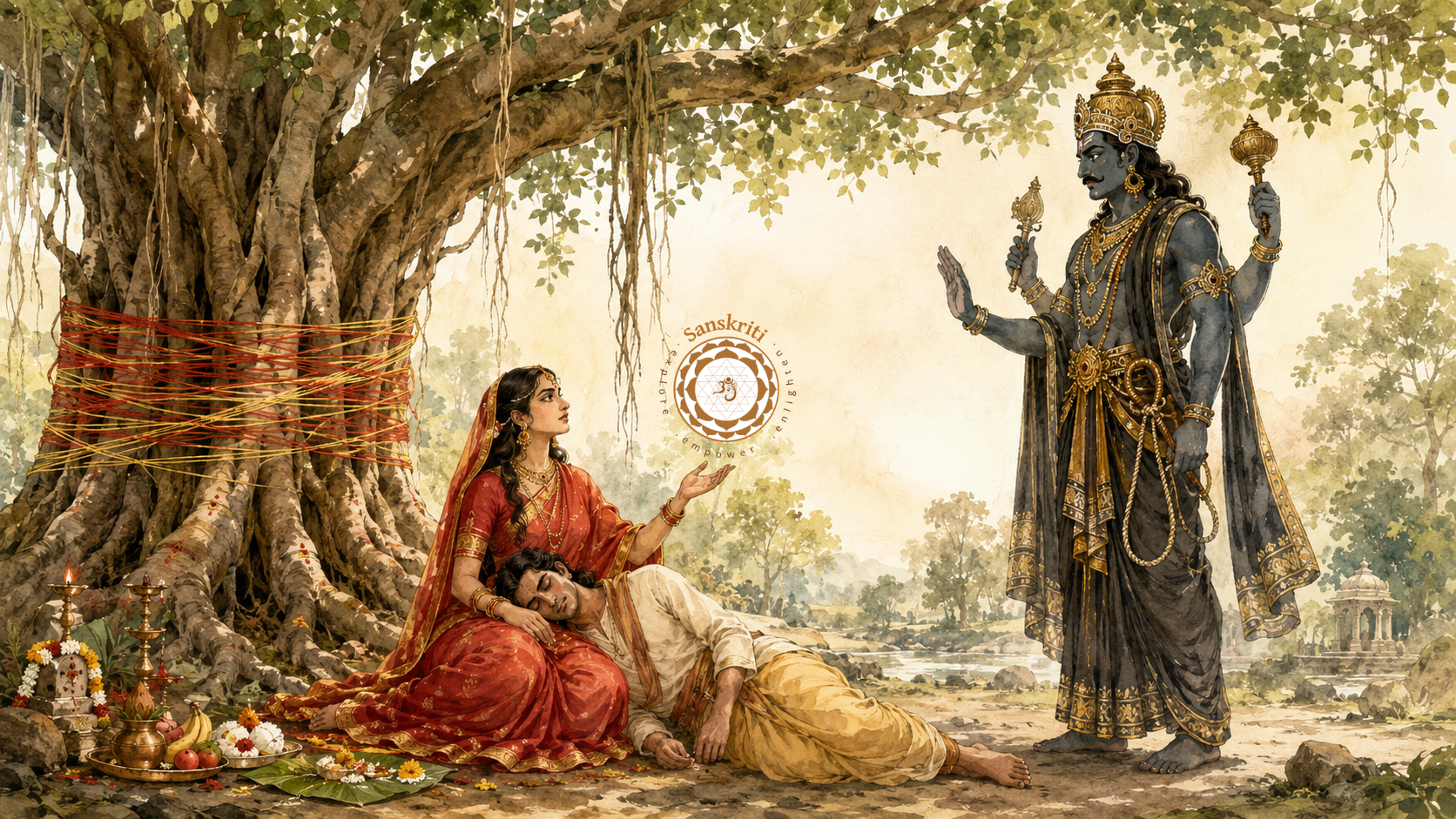
On Monday, June 29, 2026, women across Maharashtra, Gujarat, and southern Bharata will tie red thread around banyan trees and hear the story of Savitri — the wife who walked behind Yamaraja Himself when He came for her husband, and out-argued the Lord of Dharma into returning Satyavan’s life. The Mahabharata’s Pativrata Mahatmya Parva, the vrat vidhi, and why the banyan witnessed everything.

css.php