[hr]
-
Obesity spreading across India as a result of Western food invasion
-
Indian fast food market worth £7bn – expected to double by 2016
-
Doctors fitting gastric bands on children as young as 13
-
As a result of the obesity epidemic the country also has diabetes epidemic
-
India already has largest diabetes population in world: 50m sufferers
-
Medical professionals expect it to reach 100m soon
-
Indians are more genetically predisposed to developing diabetes
-
Documentary India’s Supersize Kids on BBC iPlayer now
[hr]
‘Indians are getting as fat as Americans’: Obesity crisis swells among India’s middle class youth as children choose Western fast food over traditional cuisine.’





India is suffering a massive obesity epidemic among its middle classes, with millions of Indians now morbidly obese as a result of the Western fast food invasion.
The country’s economic boom means wealthy young Indians aspiring to Western lifestyles are increasingly shunning traditional cuisine and choosing to eat from American chains such as McDonald’s, Pizza Hut and KFC. The Indian fast food market is already worth £7bn, and this is expected to double by 2016.

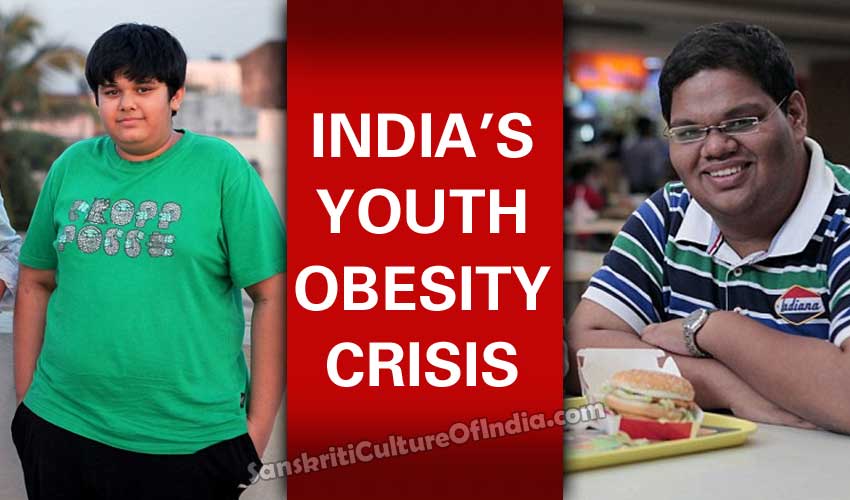
BBC documentary filmmaker Anita Rani travelled to Mumbai to investigate, meeting some of India’s most overweight teenagers, including Kaleb Shah, 13, who already weighs 15st and is having a gastric band fitted to prevent him overeating further.
‘Chubby kids are traditionally seen as a sign of the family’s wealth,’ says Rani. ‘And they tend to be referred to as “healthy”, meaning not underfed.’
Medical professionals appear on Rani’s documentary demanding the government takes a stand when it comes to selling fast food.
Regulation of the fast food industry is much looser in India than in Western countries, and wealthy Indians are susceptible to the lure of plentiful advertising and the promise of a Western lifestyle.
As a result, the obesity crisis is swelling in every Indian city, and the epidemic is causing health problems further down the line.
Indians are already more genetically predisposed to diabetes than most of the world, and with 50m sufferers the country boasts the largest diabetic population on the planet. Medical professionals expect that number to reach 100m soon.
Moreover, international fast-food chains and their Indian imitators – such as Jumbo King, India’s first home-grown fast food company – show no sign of slowing down.
The companies continue to open up branches in cities and towns across the country, threatening to explode the obesity crisis into a national pandemic.
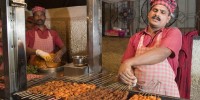
And traditional street food vendors, where earlier generations fed themselves on healthier vegetarian curries and rice, are adapting; some roadside carts now sell nothing but hot dogs and burgers.
Young people consider these roadside food options less ‘trendy’ than a pre-packaged McDonald’s burger, and complain that they eat typical Indian cuisine at home, so when they go out with their friends they want to eat chips and hot dogs.
 FAST FOOD Vs. STREET FOOD
Traditional street food: Rice cakes, chutney, vegetable curry, lentils Approx 400 calories, 10 Rupees
Western street food: McDonald’s Paneer Wrap, 800 calories, £3.50 or 335 Rupees
The obesity crisis means also means one other type of business is booming: plus-size clothing stores, inspired by those in America.
The owner of one such store in Mumbai told Rani: ‘Indians are now as fat as Americans.’
With the cost of a McDonalds meal priced at £3.50, obesity is a problem confined to the middle and upper classes; two-thirds of Indians still live on less than £2 per day.
One effect of this discrepancy is that middle class children are driven everywhere by their over-protective parents.
A huge pressure on academic achievement also contributes to young people’s sedentary lifestyles.
One-third of children in some private schools are now obese, and all of these are likely to stay obese into adulthood.
~ BBC