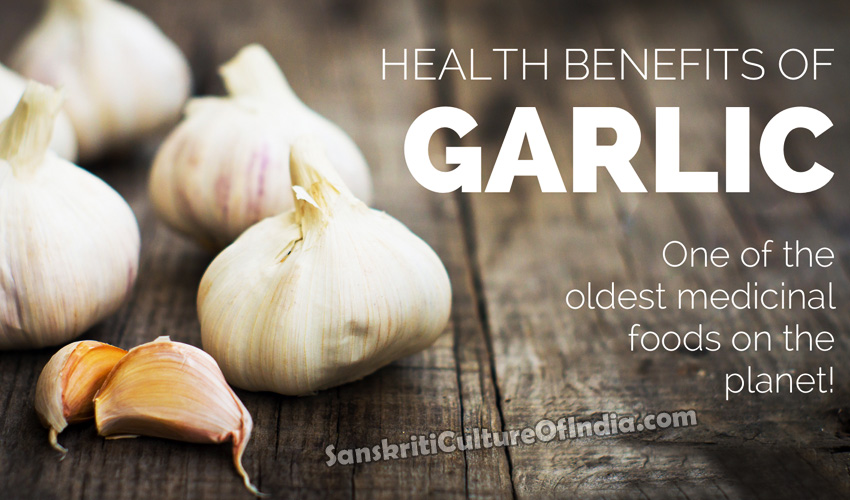
Indian curries are incomplete without garlic – a simple ingredient with packed health benefits. It is very strong and bitter but adds an unbelievable flavour to the cuisine. Any description of garlic is incomplete without mentioning its medicinal values. This miracle herb has been used since time immemorial as a medicine to prevent or treat various diseases and conditions.
Garlic has a variety of potent sulphur-containing compounds which are the reason for its characteristic pungent odour. Allicin, the vital compound among them, is known to have great anti-bacterial, anti-viral, anti-fungal and anti-oxidant properties. The benefits of allicin can be best garnered when it’s finely chopped, minced or pureed and let sit for some time. Garlic is also a reliable source of selenium. Allicin, along with other compounds like ajoene, alliin, etc. found in them also have an effect on the circulatory, digestive and immunological systems of our body and help in lowering blood pressure, detoxification, healing, etc.
Here are 15 health benefits of garlic:
Antibacterial and Antiviral:
Garlic is most well-known for its antibacterial and antiviral properties. They help control bacterial, viral, fungal, yeast and worm infections. Fresh garlic is thought to play a role in preventing food poisoning by killing bacteria like E. coli, Salmonella enteritidis, etc.
To treat skin infections:
The chemical ajoene found in garlic may help treat fungal skin infections like ringworm and athlete’s foot.
Blood thinning:
The anti-clotting properties of ajoene found in garlic help in preventing the formation of blood clots in the body. Hence, it may also increase the risk of bleeding after surgery.
Reduce blood pressure:
Angiotensin II is a protein that helps our blood vessels contract thereby increasing the blood pressure. Allicin in garlic blocks the activity of angiotensin II and helps in reducing blood pressure. The polysulphides present in garlic are converted into a gas called hydrogen sulphide by the red blood cells. Hydrogen sulphide dilates our blood vessels and helps control blood pressure.
Protect heart:
Garlic protects our heart against cardiovascular problems like heart attacks and atherosclerosis. This cardio-protective property can be attributed to various factors. With age, the arteries tend to lose their ability to stretch. Garlic may help reduce this and may also protect the heart from the damaging effects of free oxygen radicals. The sulphur-containing compounds of garlic also prevent our blood vessels from becoming blocked and slow the development of atherosclerosis (hardening of the arteries). The anti-clotting properties of ajoene help prevent clots from forming inside the blood vessels.
Reduce cholesterol:
Garlic has the ability to moderately lower our blood triglycerides and total cholesterol and reduce arterial plaque formation.
Combat allergies:
Garlic is known to have anti-inflammatory property. It can help the body fight against allergies. The anti-arthritic property of garlic is due to diallyl sulphide and thiacremonone. Garlic has been show to improve allergic airway inflammation (allergic rhinitis). Raw garlic juice may be used to immediately stop the itching due to rashes and bug bites.
Remedy for respiratory problems:
Daily use of garlic might reduce the frequency and number of colds. Its antibacterial properties help in treating throat irritations. Garlic may also reduce the severity of upper respiratory tract infections. Its benefits in disorders of the lungs like asthma, difficulty of breathing, etc. make it a priceless medicine. Its ability to promote expectoration makes it irreplaceable in chronic bronchitis.
Diabetes:
Garlic increases insulin release and regulates blood sugar levels in diabetics.
Effective against warts and corns:
Applying fat dissolving garlic extracts to corns on the feet and warts on the hands is thought to improve these conditions.
Cancer prevention:
Daily intake of garlic has been found to lower risk of most types of cancer. This anti-cancer property is due to allyl sulphides found in garlic. PhIP, a type of heterocyclic amine (HCA), has been associated with increased incidence of breast cancer among women. According to studies, diallyl sulphide found in garlic inhibits the transformation of PhIP into carcinogens.
Improve iron metabolism:
Ferroportin is a protein which helps in iron absorption and release. Diallyl sulphides in garlic increase production of ferroportin and help improve iron metabolism.
Stir up passions:
Garlic’s aphrodisiac property is due to its ability to increase the circulation.
Toothaches:
Simply put some crushed garlic clove directly on the affected tooth can help relieve toothaches due to its antibacterial and analgesic properties. But be aware that it can be irritating to the gum.
Reduce weight:
Many researchers believe that obesity is a state of long-term low-grade inflammation. According to recent research, garlic may help to regulate the formation of fat cells in our body. Pre-adipocytes are converted into fat cells (adipocytes) through inflammatory system activity. The anti-inflammatory property of 1, 2-DT (1, 2-vinyldithiin) found in garlic may help inhibit this conversion. This may help prevent weight gain.
~ Dr. Anitha Anchan