Ayurveda with it’s inter-related approaches to science and religion insists upon the process of detoxification as one of the curative modes. As a mode of treatment centering on cleaning and detoxification, Ayurveda imbibes in itself the principles of science, philosophy, religion and essential facets of humanism.
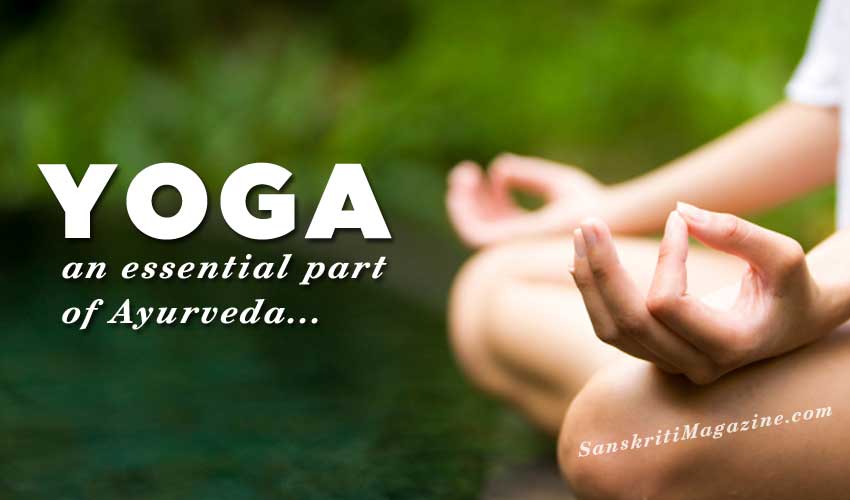
With its origin in the Vedas, Ayurveda also incorporates certain principles of yoga within its folds. With its main focus on physiological balance and cleansing, Ayurveda which is one of the most ancient systems of healing; makes use of medication based on herbs and natural resources apart from bringing about suitable modifications to lifestyle and diet management. Besides these, Ayurveda also includes yoga or union as one of its therapeutic tools. Yoga which makes for the union of mind, body and soul, is another naturopathic healing tool. Paving way for the best possible integration of mental, physical and spiritual forces of energy ,yoga includes in its scope certain postures or ‘asanas’; breathing exercises or ‘pranayama’; and meditation which is supposed to be giving way to perfect bliss.
Both Ayurveda and ‘yoga’ are similarly geared to the prospect of healing and preventing the occurrence of disease by striking in the human system a perfect balance amongst its three fold natural elements of fire, phlegm and air. Since time immemorial, with their inception during the Vedic Age, the twin concepts of Ayurveda and yoga have been going hand in hand. To focus particularly on yoga, its multifarious benefits apart from therapeutic healing include mental and physical rejuvenation, increased focus on things, prolonged existence and mental calm. Yogic postures linked with Ayurvedic healing are numerously manifold in terms of their technical modes and therapeutic use.
Rajyoga is looked upon as the ultimate form of yoga with its focus on meditation. Other yogic forms include ‘Ashtanga Yoga’, ‘Lyengar Yoga’, and ‘Shivnanda Yoga’. Pranayam and asanas seeking to infuse an overall feeling of betterment are also included in various Ayurvedic retreats built across the world so as to serve the multifarious needs of the afflicted.
The exercise regimen including breathing techniques and postural stances usually vary keeping in mind the patient’s malady or defect. The health care retreats striving to create a right balance between exercise and other naturopathic healing methods are usually guided by the expertise of Ayurvedic practitioners who recommend case specific use of yogic posture. The concerned patient’s constitution and nature of malady are properly diagnosed before the recommendation of case specific line of treatment. The patients afflicted with defects in ‘vata’ are generally subject to slow paced movements; whereas those with defects in ‘pitta’ are advised movements of the moderate type. The ones afflicted with ‘kapha’ are advised to go in for rapid movements while undergoing the course of yogic meditation. The postures usually begin and end with the salutation of sun.
The combination of Ayurvedic medications and lifestyle management in addition to the effective use of various ‘asanasa’,breathing techniques and meditations have worked wonders on patients afflicted with joint pains down to those suffering from certain serious conditions such as malignancy, diabetes, increased cholesterol and major forms of cardio vascular ailments. The beneficial combination provided to the patients being subject to the alternative mode of rehabilitation has also emerged as an effective therapeutic option for those suffering from psychiatric stress and anxiety. Even the cases of reproductive ailment and cases of male and female infertility have been effectively addressed by way of the similar therapy. Various symptoms of dermatological disorders and cases pertaining to the enhancement of beauty have also come under the protective folds of yoga and Ayurveda.
It is always preferable that patients opting for the therapeutic benefits of the mentioned amalgam should ideally seek refuge in health care spas and retreats built specifically to integrate Ayurveda and yoga.