Ayurveda is an ancient form of medical practice originated in India. Today it is famous not only in the Asian part of the world but in the entire globe for the fruitfulness and positive results that it brings with its treatment. Ayurveda can be termed as a science which believes that the secret of a good health and controlled mind is harmony with nature. It considers that the three “doshas” in an individual’s body – Vatta , Pitta and Kapha, and there relative imbalances are the cause of all the diseased conditions one faces.
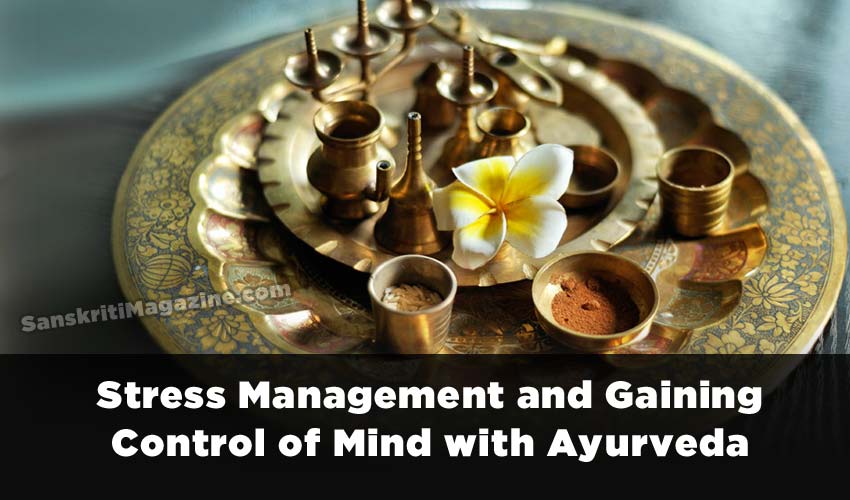
For a good health, it is very important that one should be in control of his/her mind. Without a healthy mind , one cannot achieve a healthy body. Negative emotions or stress is a major cause of many diseases. Stress reduces the immunity of the body and thus turns it into a host of disease causing micro organisms and parasites, which causes further deterioration of the bodily and mental health. Ayurveda with its assisting practices like Yoga, Pranayama and meditation is the way to fight stress and come back to the beautiful life by gaining control of the mind. Once in control of the mind, a person doesn’t remain slave of the mind but becomes the master and starts enjoying life.
Ayurveda considers depression or stress is linked with a basic element of the body tissues called “Ojas” ,a misbalance in this element within the body causes the individual to get stressed or anxious. To bring back this lost balance of “Ojas” and to reduce amount of stress , Ayurveda recommends the following kinds of treatment. The treatments are aimed at removal of toxic substances from the body system and nourishing the body at the same time:
Managing stress with Panchkarma therapies
Panchakarma therapies help to expel the toxins and other poisonous substances out of the body , improve the blood circulation in various parts and there by pulling out the negative energy out of the body and mind which causes stress. Following are the commonly used types :
- Sirodhara
This procedure is performed by allowing gently warmed herbal medicinal oil to flow on the forehead of the individual, kept in a vessel hanged right above the head. This is highly relaxing and soothing. During this a gentle massage is also performed which helps the person to relax further and overall effect is calming down of the nervous system and treating nervous disorders.
- Thailadahara
This is another Panchakarma process which also acts at strengthening the control of a person on his mind and relieving him of the stress causing agents. In this procedure , the entire body is massaged with medicinal oil having a variety of highly beneficial herbs deodar, assida , sesame oil and milk. This facilitates the person to perspire releasing the toxins from the skin.
- Snehapanam
This procedure is the oral administration of mixture of herbs in ghee or butter. The herbs used are asparagus , gooseberry , sandalwood , neem , amlaki etc.
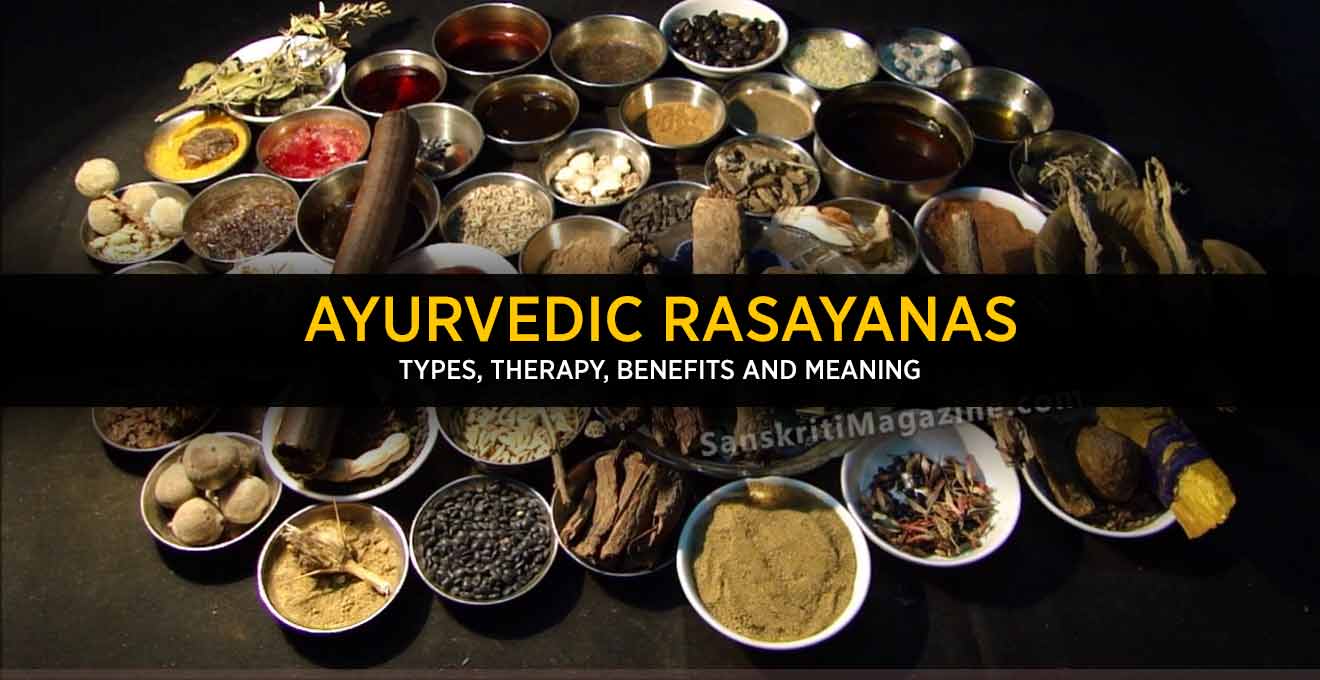
Managing Stress with Rasayana Therapies
These therapies help to nourish the body after cleansing is performed by the Panchakarma therapies.
- Medicines to be taken orally
The medicines for stress management and mind control are mostly made of pure herbs and natural substances. Common examples are Arishtam , Kashayam etc.
- Modifying dietary practices
Such patients are suggested to take a Ayurvedic diet which is rich in carbohydrates and proteins and low in cholesterol or fats. Use of tobacco , sweets, salt and alcohol is restricted.