SC rejects all pleas to intervene in Ram temple-Babri Masjid dispute in Ayodhya
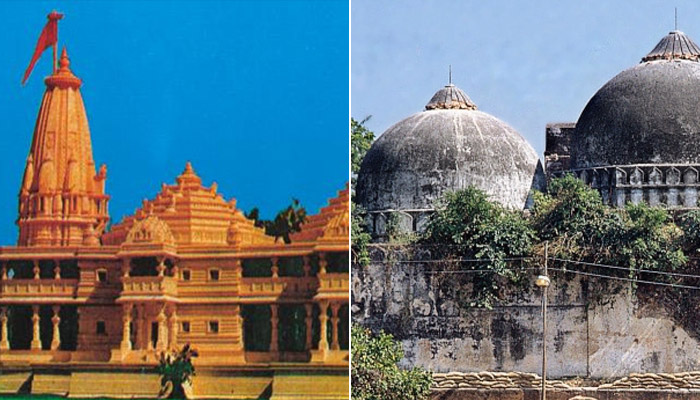
The Supreme Court on Wednesday dismissed 18 applications filed by individuals and groups wishing to become party to the Ramjanmabhoomi-Babri Masjid land dispute even as it said facilitating a settlement isn’t in its purview and that it is up to the contesting parties to settle if they so wish.
The case now enters the business end with the court’s move.
“It is for the parties to settle. We cannot coerce anybody to enter into a settlement. How can we find the middle-path? We will follow the Civil Procedure Code (law followed in land-dispute suits) and decide the matter on merits. Yes, if they themselves come up with a solution then we can take it on record and end the matter,” a bench headed by Chief Justice Dipak Misra told 18 intervenors, most of whom had suggested or offered a resolution to the 70-year-old title suit.
The court also asked its registry not to accept similar applications in future after advocates for both sides agreed not to entertain such requests.

“Sufficient time has lapsed; efforts to now reconcile the matter should have been done earlier. You people persuade the parties on your own. We would be happy if they accept your proposal,” the court said to the intervenors.
The court was hearing cross-appeals against the Allahabad high court verdict that divided the 2.77 acres of land into three parts – one-third each to Hindu Mahasabha (as a representative of Ram), Sunni Wakf Board and Nirmohi Akhara.
The bench, also comprising justices Ashok Bhushan and SA Nazeer, agreed to hear the plea of Muslim parties seeking a re-look at a 1994 SC judgement in which it was declared that a mosque was not an integral part of the minority’s right to religion. The SC had, in that verdict allowed the government to acquire the disputed site till the adjudication of the land dispute and ordered status quo.
If the judges are convinced that the five-judge bench verdict needs reconsideration, then a reference will be made to a larger bench, which means the property dispute case would be in abeyance until the referral is decided. Senior advocate Rajeev Dhawan, who opened the arguments on behalf of Muslim groups, said it was important to first decide the meaning of the word “mosque.” The 1994 judgement will have a bearing on the case, he said, adding: “The verdict was a narrow view of essential and integral practice.”
Dhawan will continue with his arguments on March 23.
The bench’s refusal to offer a compromise is in contrast to the top court’s offer made last year to mediate in the issue. A bench headed by the then Chief Justice JS Khehar had asked the two sides to settle the issue through negotiations. “It is far better than fighting in court. If the parties want me to sit between mediators chosen by both sides for negotiations, I am ready,” Justice Khehar had said after BJP leader Subramanium Swamy made an urgent plea to list the title suit for an early hearing. Swamy had then claimed the property dispute was hurting his fundamental right to worship at the site.
CJI Misra’s bench, however, told Swamy that his application in the case cannot be entertained since he is an outsider to the dispute. But, it revived the BJP leader’s plea, which was filed as a substantive petition before it was converted into an application and tagged with the Ramjanmabhoomi-Babri Masjid case. His plea will now be heard as a separate case by an appropriate bench.
Intervention applications that were dismissed included the ones filed by over 10,000 residents of Faizabad and Ayodhya, a man claiming to be the great grandson of Mughal emperor Bahadur Shah Zafar, social activists, an advocate who wrote a book on the issue, and a Pune-based organization, World Peace Centre.
The lawyer for the great grandson of Bahadur Shah Zafar insisted on being heard because, he claimed, the disputed land was given by the emperor. He said if the property is vested with the Wakf board then the he was true “mutawalli (caretaker).”
SC even rejected the permission by a priest –a party to the main case – who, as an interim measure, asked to be allowed to start prayers at the site. Reacting to the Shia Wakf Board’s appeal against a 1946 judgement declaring Sunni Wakf Board as the owner of the land, the bench remarked it was a time-barred petition. It, however, said a decision would be taken once the registry gives an official report on the status of the appeal.