IndianSanskriti

Reducing Stress With Ayurveda

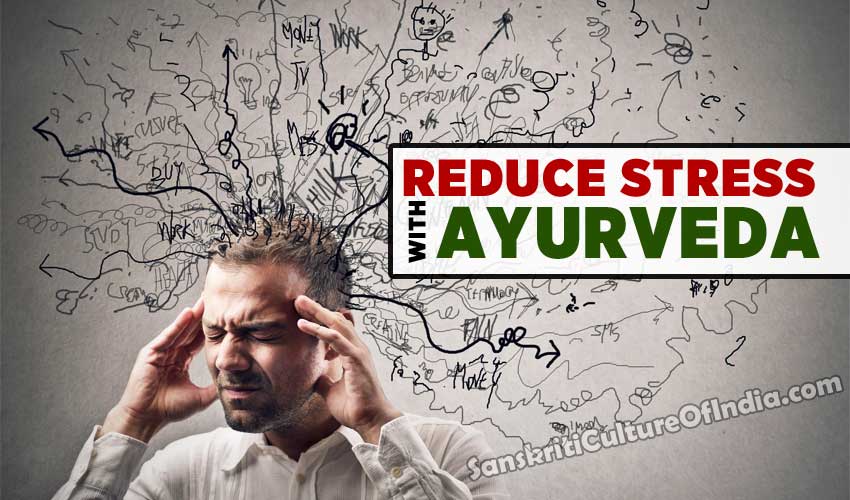
A lot of people turn to anti-depressants to curb and cure stress and anxiety, when the truth remains that stress is more of a psychologically influenced condition and hence can be better treated with will power. As the statistics for stress-related depression goes up, there has been constant search for alternative holistic treatment approaches. One such method is Ayurveda.

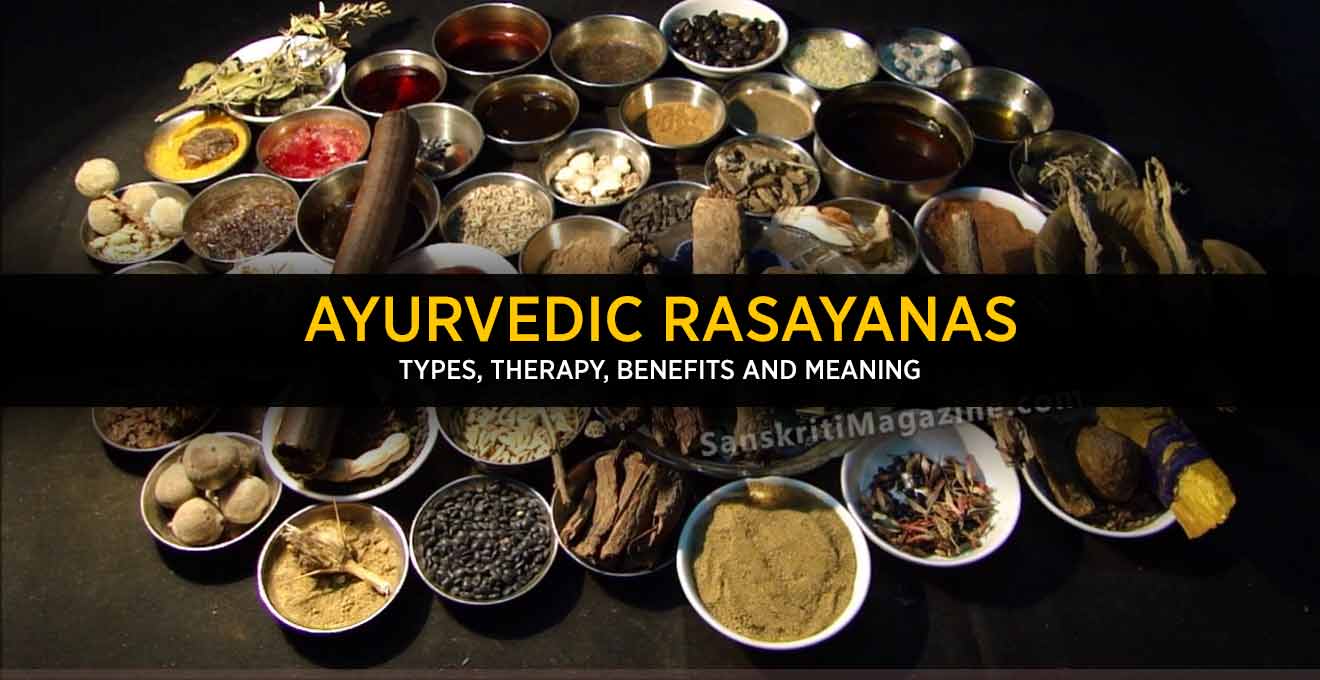
Ayurveda is the native Indian system of medicine that inculcates herbal science to influence a person’s overall lifestyle and hence create a lasting change. There are three major areas that Ayurveda covers- herbal treatment, diet, and yogic breathing. Each of these three core areas has the power to relieve stress and reduce anxiety.

Herbal Treatment
One of the precursors of stress is nutrition deficiency. However, not many would attribute a lack of vitamins and nutrients to be a cause for stress. Apart from diet, there are numerous herbal remedies that help to detoxify the body and are also a storehouse of nutrients.

The most common remedy is chamomile. Drinking chamomile tea, or even better if you can get the herb and add it manually to tea or drink it with warm water, you will definitely see a change in your overall physical and mental health. Another herb that helps with stress is Ginkgo Biloba, which increases the flow of blood to the brain and improves the functioning of the nervous system.

Diet
As mentioned, a lack of nutrition can add to your stress level. Ayurveda suggests getting a balanced diet with a lot of vegetables and fruits. The idea is to follow the course of nature, which includes not only not skipping of meals but also to eat at the designated time. If you are the one to miss out on lunch, Ayurveda says you might be prone to stress. Lunch time or the time between 2-6 pm is known as the ‘vata’ time and is associated with fat metabolism, and this is also the time when the nervous system demands a good supply of sugar.

In a nutshell try to get the basic three meals a day, and try to avoid midnight snacking. Also, make sure that you eat more of carbohydrate and sugar-rich food items for lunch, a good choice would be brown rice.

Apart from a balanced meal, try to eat fruits and vegetables that are in season. Since each season has a distinct effect on a person’s body and mind, having seasonal food will help to enhance that effects for the betterment of your health.

Breathing
When you are stressed, you tend to take in short shallow breaths, which in turn stress you out more. Keep a check on your breathing patterns and practice breathing exercises like Pranayama, Kapalbhati, or adhere to the simple deep breathing technique. If you can make it a habit to do deep breathing exercises early in the morning and preferably in an open environment, your chances of relieving and staying away from stress increases manifold.

Remember, Ayurveda is not a quick-fix solution. You need to be persistent enough to see permanent results.

~ Mulyadi Kurnia
You may also like

Search the website

Like us on Facebook

Get daily updates via Email

Enter your email address:

Recent Posts

Yogini Ekadashi 2026 — The Yaksha Who Missed the Morning Flowers, and the Ekadashi That Undid His Curse

On Friday, July 10, 2026, the rare Krishna Paksha Ekadashi of Nija Ashadha arrives. The Padma Purana tells the story of Hemamali — the Yaksha gardener of Bhagavan Kubera in Alaka, whose single morning of distraction with his wife Vishalakshi cost him his form, his wife, and his celestial city. Cursed to wander the earth of Bharata as a leper for a long time, he was at last shown the way back by Sage Markandeya — a single sincere keeping of Yogini Ekadashi.

Jamai Shashthi 2026 — The Story of Maa Shashthi, the Cat, and the Wife Who Was Forgiven

Jamai Shashthi 2026 — The Story of Maa Shashthi, the Cat, and the Wife Who Was Forgiven

On Saturday, June 20, 2026, Bengali households across Bharata will welcome their married daughters and sons-in-law home for the legendary jamai-aador feast and perform the Shashthi Vrata. But behind the warmth lies a story most Bengalis know by heart and most non-Bengalis have never heard — the wife who stole the hilsa, blamed the cat, lost six sons to Maa Shashthi’s wrath, and was finally forgiven. The Vrat Katha, the vidhi, the mantras, and the deeper teaching.

Vat Purnima 2026 — The Wife Who Argued Yama Into Returning Her Husband’s Life

On Monday, June 29, 2026, women across Maharashtra, Gujarat, and southern Bharata will tie red thread around banyan trees and hear the story of Savitri — the wife who walked behind Yamaraja Himself when He came for her husband, and out-argued the Lord of Dharma into returning Satyavan’s life. The Mahabharata’s Pativrata Mahatmya Parva, the vrat vidhi, and why the banyan witnessed everything.

Nija Jyeshtha 2026 — The Real Jyeshtha Begins, and the Calendar Resumes

Nija Jyeshtha 2026 — The Real Jyeshtha Begins, and the Calendar Resumes

With Adhik Maas now closed on the Somvati Amavasya of June 15, the long-postponed festivals of Jyeshtha return — Vat Purnima (June 29, the Savitri-Yamaraja katha), Jamai Shashthi (June 20, the Bengali festival of Maa Shashthi), Sankashti Chaturthi (June 28), Yogini Ekadashi (July 10), and Devshayani Ekadashi (July 16, opening the four-month Chaturmas of Bhagavan Vishnu’s yoga-nidra). A guide to what the next four weeks hold and what the household that kept Purushottam Maas now carries forward.

The Closing of Purushottam Maas 2026 — Adhik Amavasya and the Sealing of the Month-Long Vrat

On Monday, June 15, 2026 — a rare Somvati Amavasya — the intercalary month that bears Bhagavan Vishnu’s own name comes to its close. The Acharyas teach that a vrat is not measured by its duration but by its closing. Here are the Padma Purana’s instructions for sealing the month-long Purushottam Maas vrat: the morning snan, the closing puja with the Vishnu Sahasranama, the day of dana, the Somvati Amavasya gift, and the final sarva-arpana — the offering of all merit at the feet of the Lord.

css.php