IndianSanskriti

Holi in India: A Diverse Tapestry of Regional Traditions and Customs

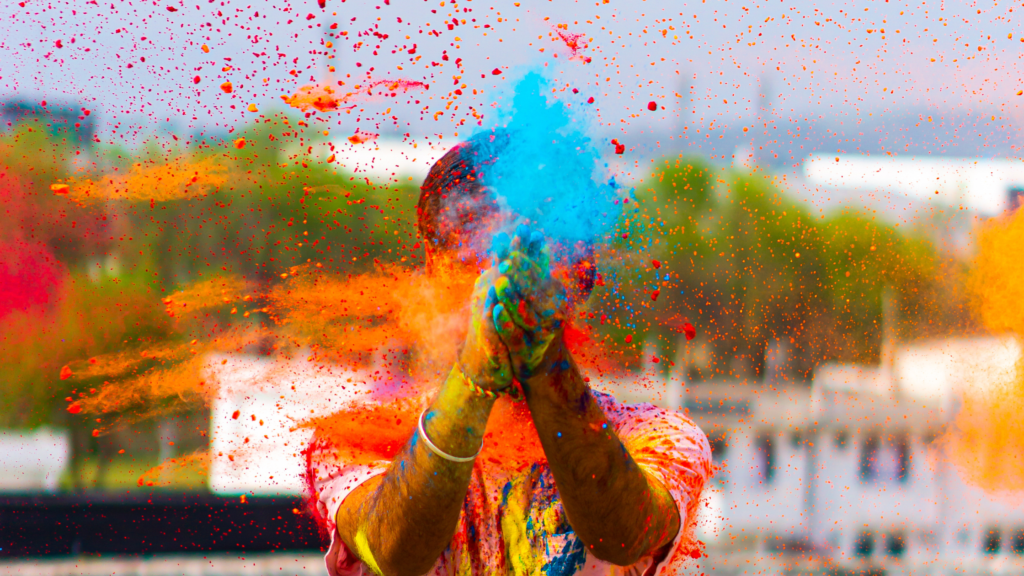
Holi, the festival of colors, is celebrated with great fervor and enthusiasm throughout India, marking the onset of spring and the victory of good over evil. While the core essence of Holi remains the same across the country, different regions of India have their own unique and diverse ways of celebrating the festival. From the grandeur of the Lathmar Holi in North India to the temple processions of Hola Mohalla in Punjab, and the folk songs of Rangapanchami in Maharashtra, the festival takes on a myriad of forms and flavors across the nation.

In North India, the festival is celebrated with vibrant colors and water, with communities coming together to dance, sing, and feast on traditional delicacies such as gujiya, mathri, and thandai. The cities of Mathura and Vrindavan, the birthplace of Lord Krishna, are particularly known for their extravagant celebrations, with Lathmar Holi being one of the highlights. This unique celebration involves women beating men with sticks, symbolizing the victory of Radha over Krishna.

In South India, the focus of the festival is more on the mythological significance of Holi, with people worshiping Lord Krishna and smearing each other with colors as a symbol of love and devotion. In Tamil Nadu, the festival is celebrated as Kamavilas and is more of a community event, with people coming together to sing and dance to traditional music. In Andhra Pradesh, Holi is celebrated as Dolayatra and involves a grand procession of Lord Vishnu’s idols through the streets.

In East India, Holi is known as Dol Purnima and is celebrated by applying colors and flowers to Lord Krishna’s idols. The festival also marks the harvest season, with people enjoying local delicacies such as pitha, malpua, and dahi vada. In West Bengal, the festival takes on a unique form with the celebration of Basanta Utsav, where people come together to celebrate the arrival of spring with music, dance, and colors.

In conclusion, Holi is a festival that reflects the rich and diverse cultural tapestry of India. Each region has its own unique customs and traditions that add to the vibrancy of the festival. The festival is not just about colors and fun but also about community bonding and strengthening social ties. So, this Holi, let us celebrate the festival in its true spirit by respecting and embracing the diverse regional traditions and customs of India.
You may also like

Search the website

Like us on Facebook

Get daily updates via Email

Enter your email address:

Recent Posts

Padmini Ekadashi 2026 — The Ekadashi Even the Devas Descend to Keep

Padmini Ekadashi 2026 — The Ekadashi Even the Devas Descend to Keep

The rarest Ekadashi of the entire Hindu calendar is three days away. The Padma Purana preserves a conversation between Bhagavan Krishna and Yudhishthira about a single Ekadashi the great Rishis spend lifetimes waiting for — Padmini. The Vrat Katha of Queen Padmini of Mahishmati, the lotus teaching, and why May 27, 2026 is the morning Vaishnavas across Bharata are preparing for.

Varada Chaturthi 2026 — The Rare Ganesha Day of Purushottam Maas

Varada Chaturthi 2026 — The Rare Ganesha Day of Purushottam Maas

Once every 2.5–3 years — when the rare 13th month of Adhika Maas opens — a thirteenth Vinayaka Chaturthi appears. The Mudgala Purana calls it Varada Chaturthi, the “boon-giving” Chaturthi, and holds it as the most fruit-bearing Ganesha day of the entire calendar. Today, Wednesday May 20, 2026, is that day.

Padmini Ekadashi 2026 — The Rare Ekadashi That Comes Only in Purushottam Maas

Padmini Ekadashi 2026 — The Rare Ekadashi That Comes Only in Purushottam Maas

Padmini Ekadashi 2026 falls on Wednesday, May 27 — the Shukla Paksha Ekadashi of Adhika Maas, the rarest Ekadashi in the entire Hindu calendar (it appears only every 2.5–3 years). The Padma Purana conversation between Bhagavan Krishna and Yudhishthira, the Vrat Katha of Queen Padmini, complete vrat vidhi with jagrana, mantras, and the lotus symbolism that gives the Ekadashi its name.

Ganga Dussehra 2026 — The Day Maa Ganga Came Down to Bhagiratha

Ganga Dussehra falls on Monday, May 25, 2026 — commemorating the day Maa Ganga descended from Vaikuntha to the earth through the millennia-long tapasya of King Bhagiratha. The full account from the Valmiki Ramayana, snan vidhi, dana traditions, mantras, and the teaching of sustained sincerity.

Adhik Jyeshtha Maas 2026 — The Hidden Month That Belongs to Lord Vishnu

Once every 2.5–3 years, the Hindu calendar opens a quiet thirteenth chamber — the intercalary month Lord Vishnu took for His own. A Puranic look at Adhik Jyeshtha Maas 2026 (May 2–31), the Padma Purana account of how it became Purushottam Maas, and a complete householder’s guide for its closing days.

css.php