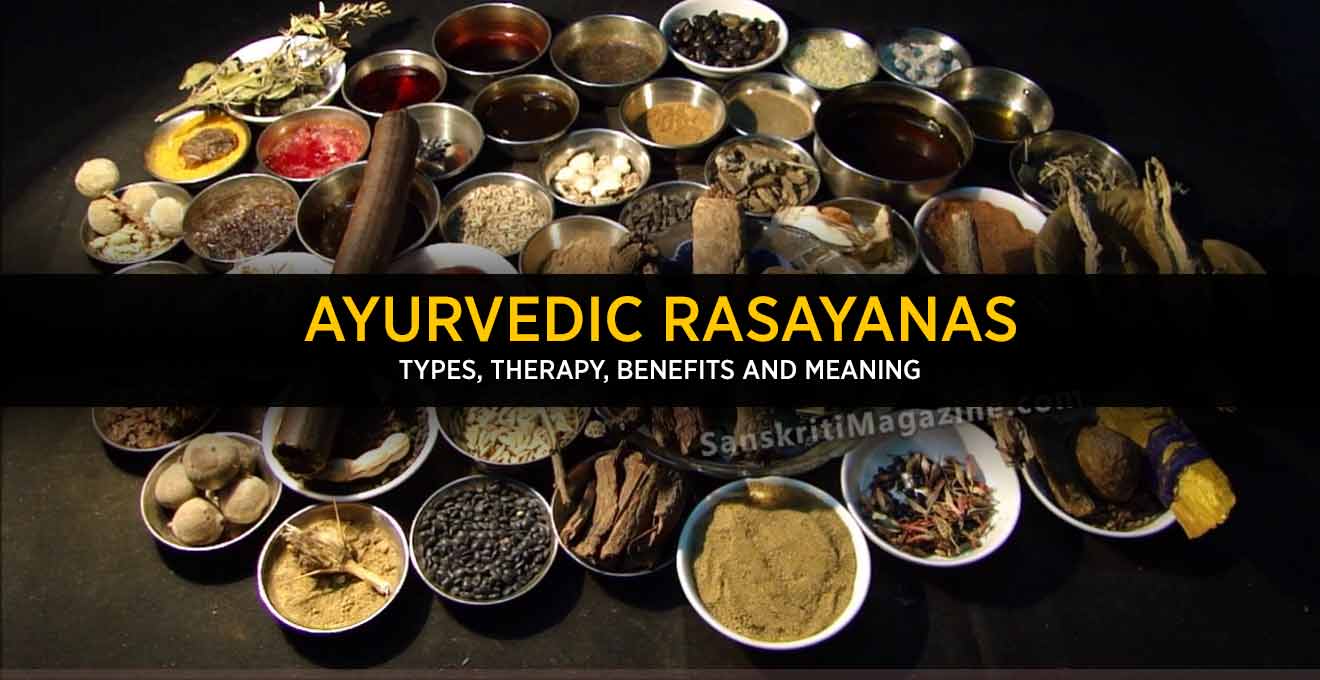
India has been known for its spices from time immemorial. In fact, in the past, several explorers gave in to the lure of spice and did their best to invade this country. Even today, an Indian kitchen is considered incomplete without spices. Spices can be taken before, during, or after a meal. You can sauté them in ghee or cooking oil for use in vegetables, dal (lentils) or curry. Spice powders can also be used for garnishing, dressing salads or preparing health drinks.
Ayurveda’s View of Spices
According to Ayurveda, spices play an important role in digestion and assimilation of food and thereby contribute to maintaining a balanced and healthy Agni or digestive fire. The importance of spices increases when the food being cooked is heavy in nature. If not spiced properly, these foods can produce ama (toxins), leading to blockage in the srotas (body channels). Often, the use of certain spices also helps in cleansing ama from the body.
Five Must-Have Spices in your Kitchen
Outlined below are some of the most commonly used Ayurvedic spices, which when used in cooking, not only enhance the taste of the meal, but also make it nutritious and balancing:
- Coriander (Dhania): The coriander seed is truly a cook’s best friend as it aids in the assimilation of other herbs and spices used during cooking. Known to be gracious to all the doshas, this spice is famous in Ayurveda for its use in balancing the body and mind. Coriander is also beneficial in digestive, respiratory and urinary disorders, as well as treating skin ailments caused by Pitta aggravation.
- Ginger (Adrak): An irreplacable spice in any kitchen, Ginger brings flavor and pungency to food and is used widely as a digestive. Known as ‘the universal medicine’ for its healing properties, Ginger provides an excellent remedy for respiratory conditions caused by aggravation of Kapha and Vata. Apart from vegetables and lentils, this invigorating spice is also used in herbal tea to treat common cold and cough.
- Cumin (Jeera): Widely used as a flavoring agent and condiment in curries and lentils, Cumin is known for its aromatic qualities. This spice is used as a stimulant for digestive disorders and even as an antiseptic. It also enhances the functioning of the liver and pancreas, enabling the body to cleanse accumulated toxins and absorb nutrients better.
- Fenugreek (Methi): Fenugreek is highly valuable for its healing properties. It is helpful in treating digestive, respiratory, nervous, and menstrual disorders, as well as purifying the skin and facilitating weight loss. Drinking water with Fenugreek seeds soaked overnight helps in reducing blood sugar levels in the body. Bitter-sweet in flavor, this spice is popularly used in Indian cooking for vegetables and dals.
- Turmeric (Haldi): Referred to as the Indian Saffron, Turmeric is bitter, astringent and pungent in taste. It has been known for centuries for its many therapeutic qualities, including anti-oxidant, anti-inflammatory and anti-septic properties. Widely regarded as an indispensable part of Indian cuisine, Turmeric enhances metabolism and helps the body to reduce undesirable fatty deposits when used in cooking.