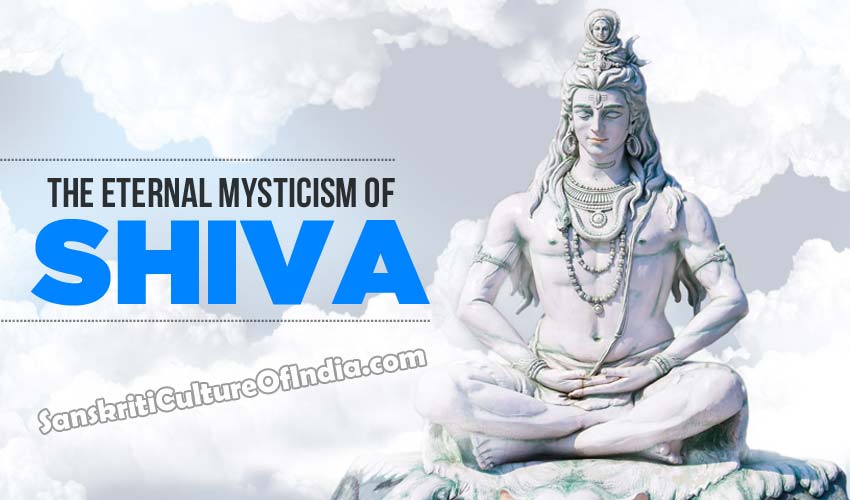
Almost all villages in India have at least a dozen kids who are named after Shiva. You can read about Shiva in the internet or in books, but only in the presence of a Master can these words translate into experience.
Q: Who is Shiva?
Sri Sri: I would ask the question what is not Shiva. Just now you heard the invocation. Shiva is the one from where everything has come and in which everything is sustained, and into which everything dissolves. There is no way you can step out of Shiva. Shiva is Vishwa Rupa, the form of Shiva is the whole Universe, yet he is formless. Through Omkara you can know him. Go deep into the primordial sound of the Universe. How can you understand? Through the knowledge you hear in deep meditation – the shrutis. Only in the depth of wisdom, you can understand what Shiva is.
Tamo yoga gamaya – through penance and yoga you can experience. There is a beautiful story, once Brahma and Vishnu wanted to understand Shiva completely. Vishnu went down for thousands of years to find Shiva’s feet and Brahma went up to find Shiva’s head. Means there is no beginning and no end to Shiva.
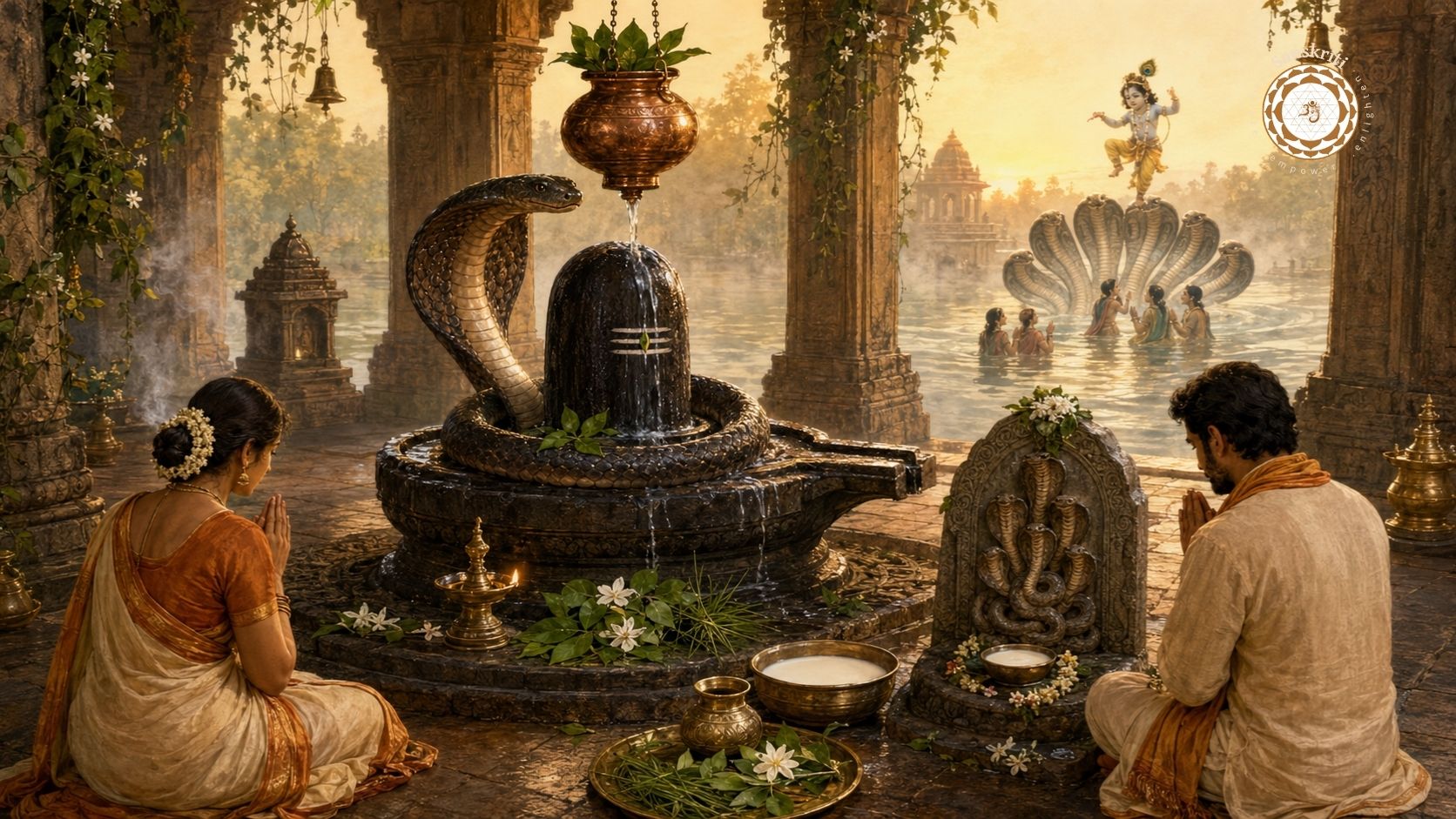
Linga is simply a symbol. Shiva tattva is the most beautiful tattva and it is most difficult to talk about also. It can only be felt, beyond understanding. Still we make a little effort to understand it. When words go that close and returns, that is Shiva. Even mind cannot understand it. That is a big challenge to even talk about this most beautiful tattva.
Q: Mrityunjaya mantra is supposed to give victory over death.
Sri Sri: Mrityunjaya mantra is one of the most reverent mantra in the Vedic tradition. Markandaya Rishi chanted this mantra. Mrtiyu means death. Jaya means victory over death. Victory for the soul or the body? Every moment the body is changing. Our body is a township. Like in a town new children are being born. Mrityunjaya means victory over the mind, the mind realizes that there is something in me that is not changing. Then there is no fear. Fear is one of the signs of death. You win over the fear. You win over the small mindedness of identification with the perishable and move to the imperishable. We are combination of both: our spirit is imperishable and the body is perishable.
There is a prayer : Let Shiva make me strong. Let him make me strong. Let him give me relief. Desire.
Q: How can we experience Shiva every moment?
Sri Sri: The experiencer himself is Shiva. You simply have to be present in the moment and Shiva tattva is already there. We have waking, dreaming, and sleeping states of consciousness. The fourth state of consciousness is Shiva. When you are meditating, you are neither waking nor sleeping. That glimpse of the fourth state is Shiva tattva. It is so auspicious, there is no two, peace, that is what is your Self, that is worth knowing: that is what the Vedanta says. Who you think you are is not just a name, is not just a form, that scintillating consciousness in you is Shiva.
Q: Why is Shiva depicted as Nataraja?
Sri Sri: The cosmos is not a journey to somewhere. Usually people ask what is the purpose of life. Creation is simple a display and play of consciousness. Like the dancer and dance cannot be separated, similarly the Creation and the Creator are not two separate things. This truth was depicted in the form of Nataraja. There is wind in one hand, deer depicts air, fire element, space element is depicted with a little conical drum (damru). The dance of consciousness is the whole Universe. This universe is celebrating everyday. This truth is brought out. One who does not know this, suffers. One who knows that this whole creation is a dance, is an expression of joy, that truth is Shiva tattva.
Q: Can you speak about Dakshinamurthy?
Sri Sri: There are several levels of Knowledge: through reason and through vibration (gut feeling). Dakshinamurthy is the ultimate knowledge where direct transfer of knowledge happens in silence. The first Guru of the tradition. From then the Guru tradition began. Under a Peepul tree sat a young boy, around him sat elderly people and all their doubts disappeared. You do not need to verbalize everything. The Creation converses non-verbally. Animals converse from another level of existence. See young kids, 1 or 2-year-old communicate with gestures and something much deeper.
When you sit in front of a teacher, you go into meditation, you do not have to ask questions, every question is within you and answer is within you. Guru gives you a technique to go deep within, let go of all the rigidity, stress, ignorance and realize So Hum – I am that, I am Shiva. That knowledge is puts you back into you. All that knowledge comes out of you. Many teachers after Teacher Training have experienced, the answers come out from you.
Another aspect of Shiva is beauty. Shiva is Sundaresha. The lord of beauty. And also Aghora: very fearful also. The fearful forms in the Universe are also his forms. Most beautiful and most terrifying. To the one who follows righteousness, he is most beautiful. To the one who creates terror in others, he is terror. The center most of our being is innocence – Shiva is called Bholenath (innocence) – with which we were all born, everything else we get later – going into the core of our existence is meditation.
~ Discourse by Sri Sri Ravi Shankar