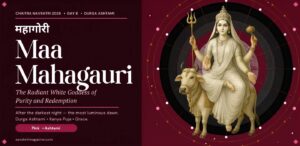
Maa Mahagauri — The Radiant White Goddess of Purity and Redemption
Maa Mahagauri: The Radiant White Goddess of Purity and Redemption | Sanskriti Magazine Chaitra Navratri 2026 · Day 8 of 9 · Durga Ashtami Maa

Maa Mahagauri: The Radiant White Goddess of Purity and Redemption | Sanskriti Magazine Chaitra Navratri 2026 · Day 8 of 9 · Durga Ashtami Maa
The Ashta Lakshmi — the eight forms of Devi Lakshmi representing every dimension of abundance. From Adi Lakshmi to Vidya Lakshmi, their iconography, mantras, and the deeper teaching of prosperity in Dharma.
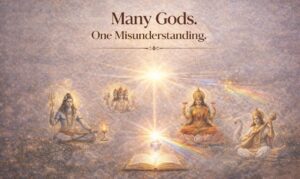
One of the most common questions people ask about Hinduism is also one of the most misunderstood. Why are there so many gods? At first
Gita Jayanti 2025 — the sacred day Bhagavan Krishna revealed the Bhagavad Gita to Arjuna on the battlefield of Kurukshetra. Key teachings, significance, and how to observe Gita Jayanti.
Guru Purnima 2025 — honouring Maharishi Veda Vyasa and the sacred Guru tradition. The significance of the Guru in Sanatana Dharma, puja vidhi, and the deeper teaching of surrender.
Ganga Dussehra 2025 — the sacred day celebrating the descent of Maa Ganga to earth through King Bhagiratha’s tapasya. Puja vidhi, timings, the Puranic account, and ten sacred benefits.

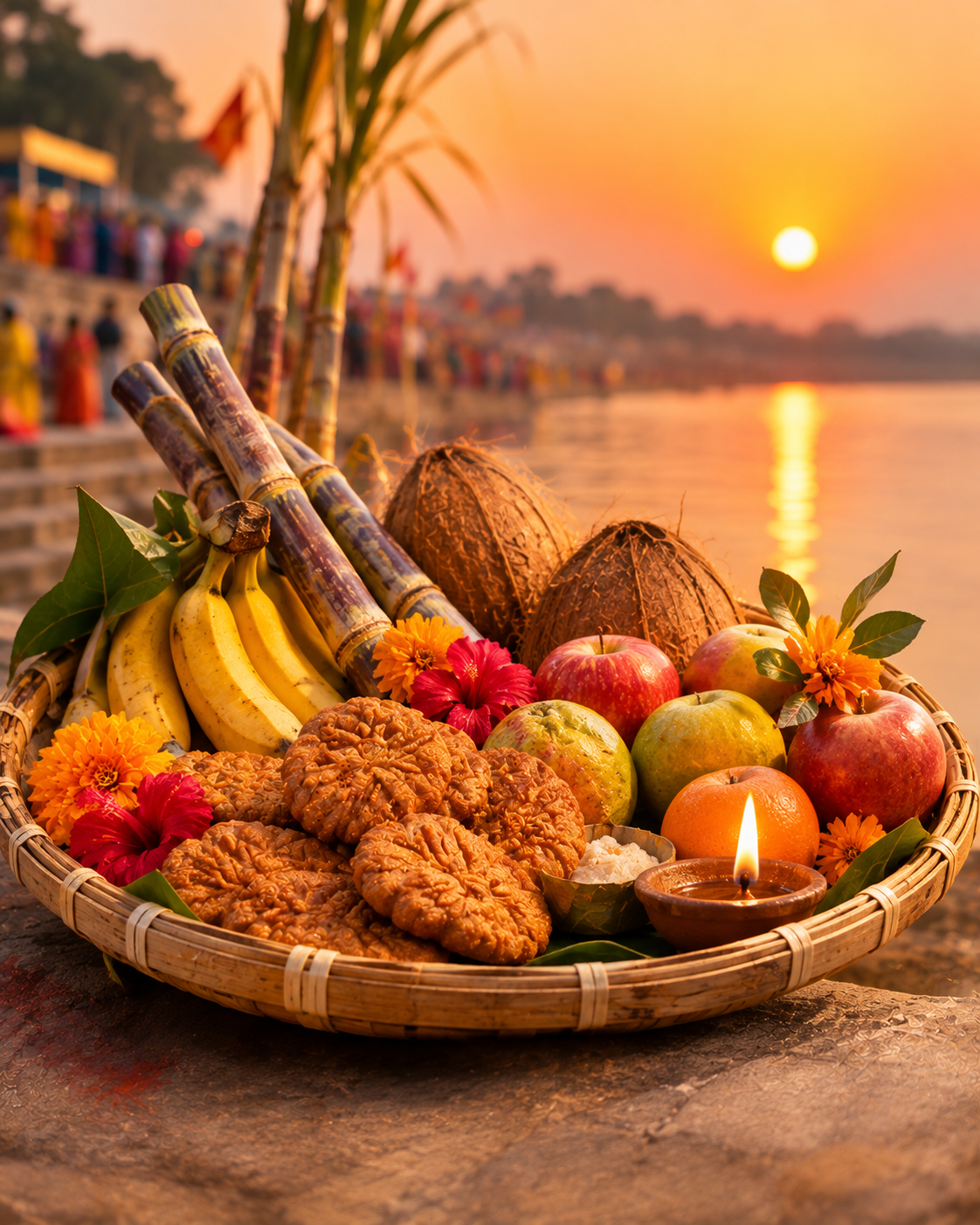
Explore Chhath Puja offerings including thekua, bamboo soop and daura, sugarcane, coconut, bananas and homemade prasad, with cultural context and 2026 dates.
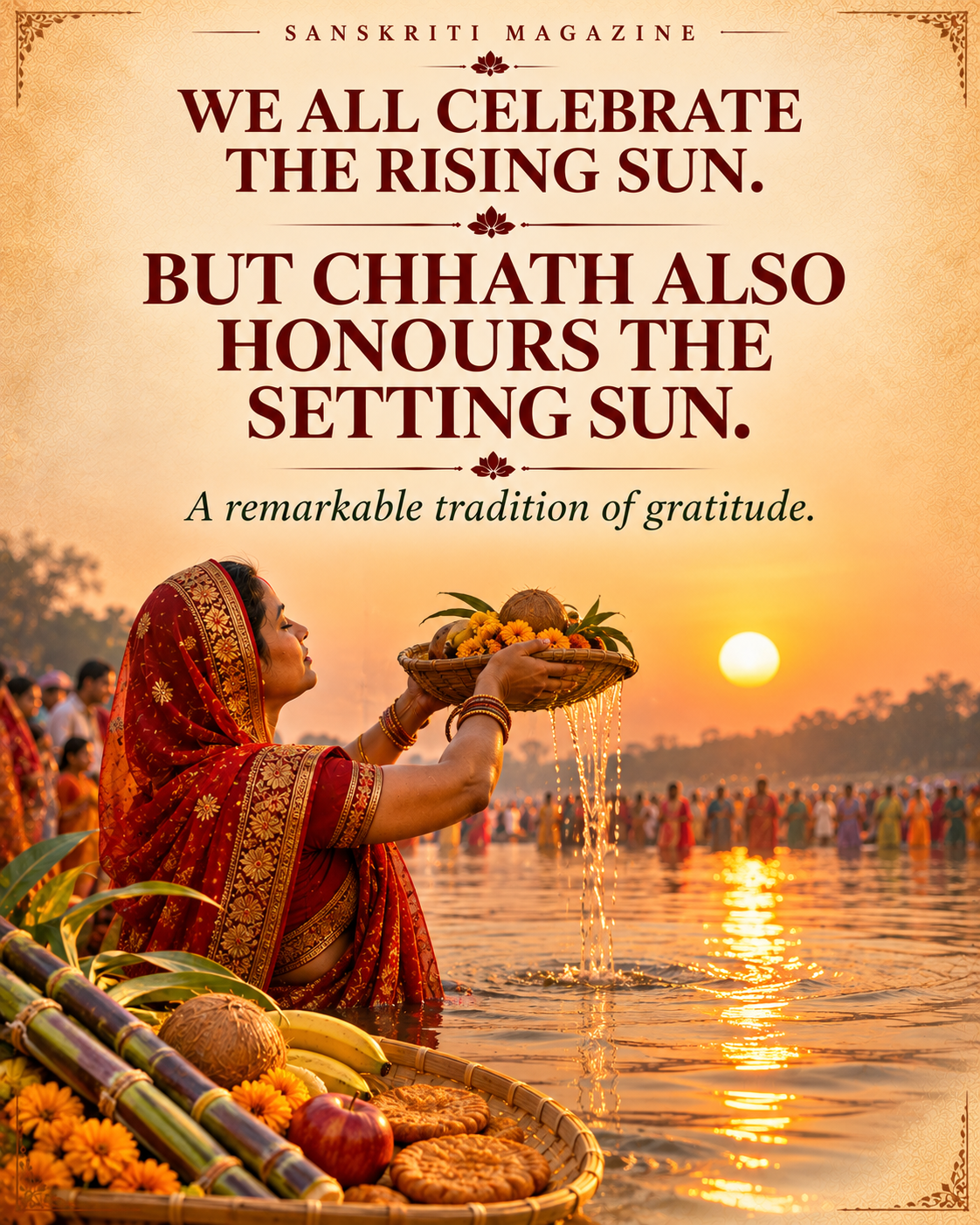
Why does Chhath Puja include both Sandhya Arghya and Usha Arghya? Explore its distinctive sunset-and-sunrise tradition, meanings and 2026 dates.
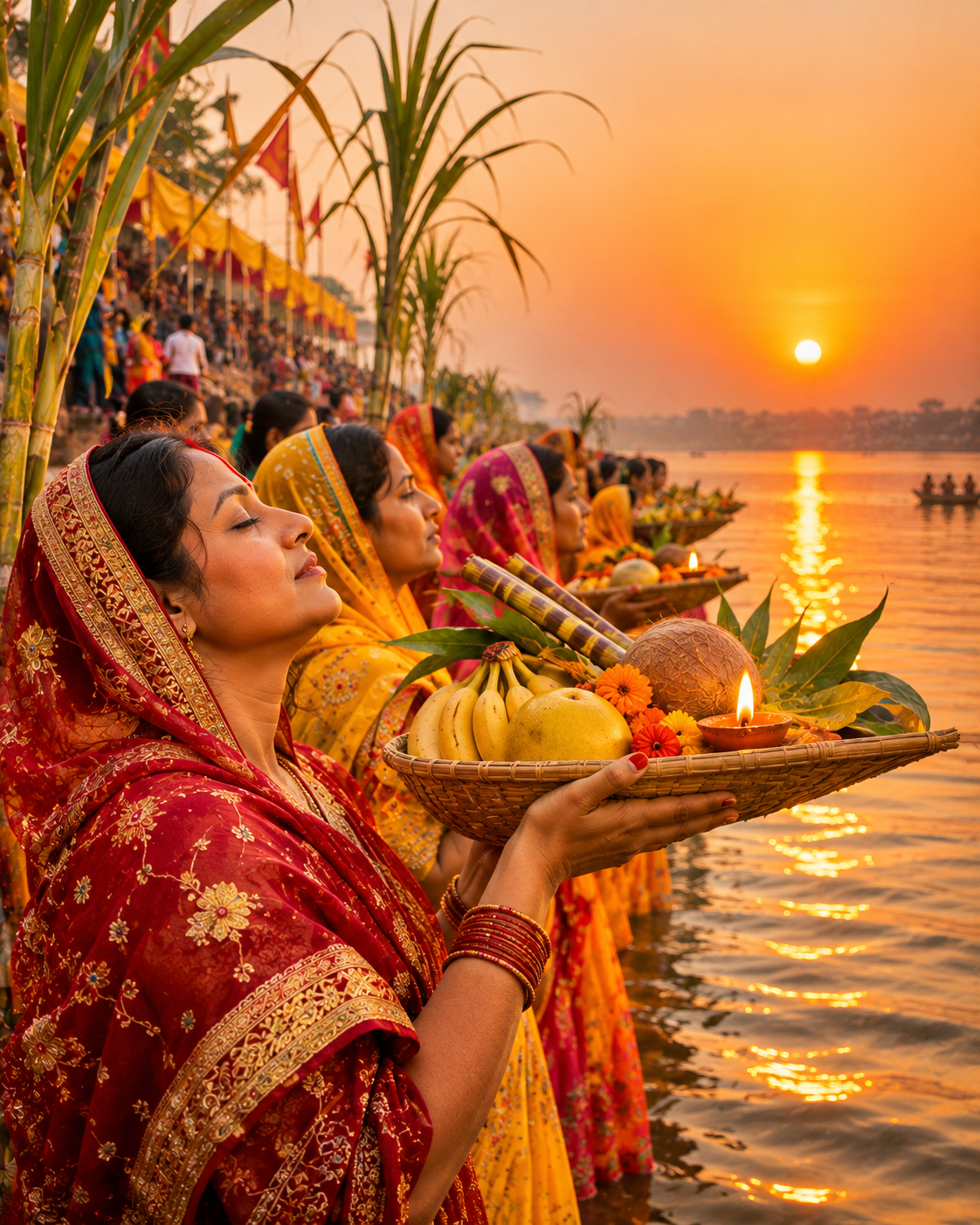
Chhath Puja 2026 runs from 13 to 16 November. Explore Nahay Khay, Kharna, Sandhya Arghya, Usha Arghya, Delhi timings, offerings and regional traditions.
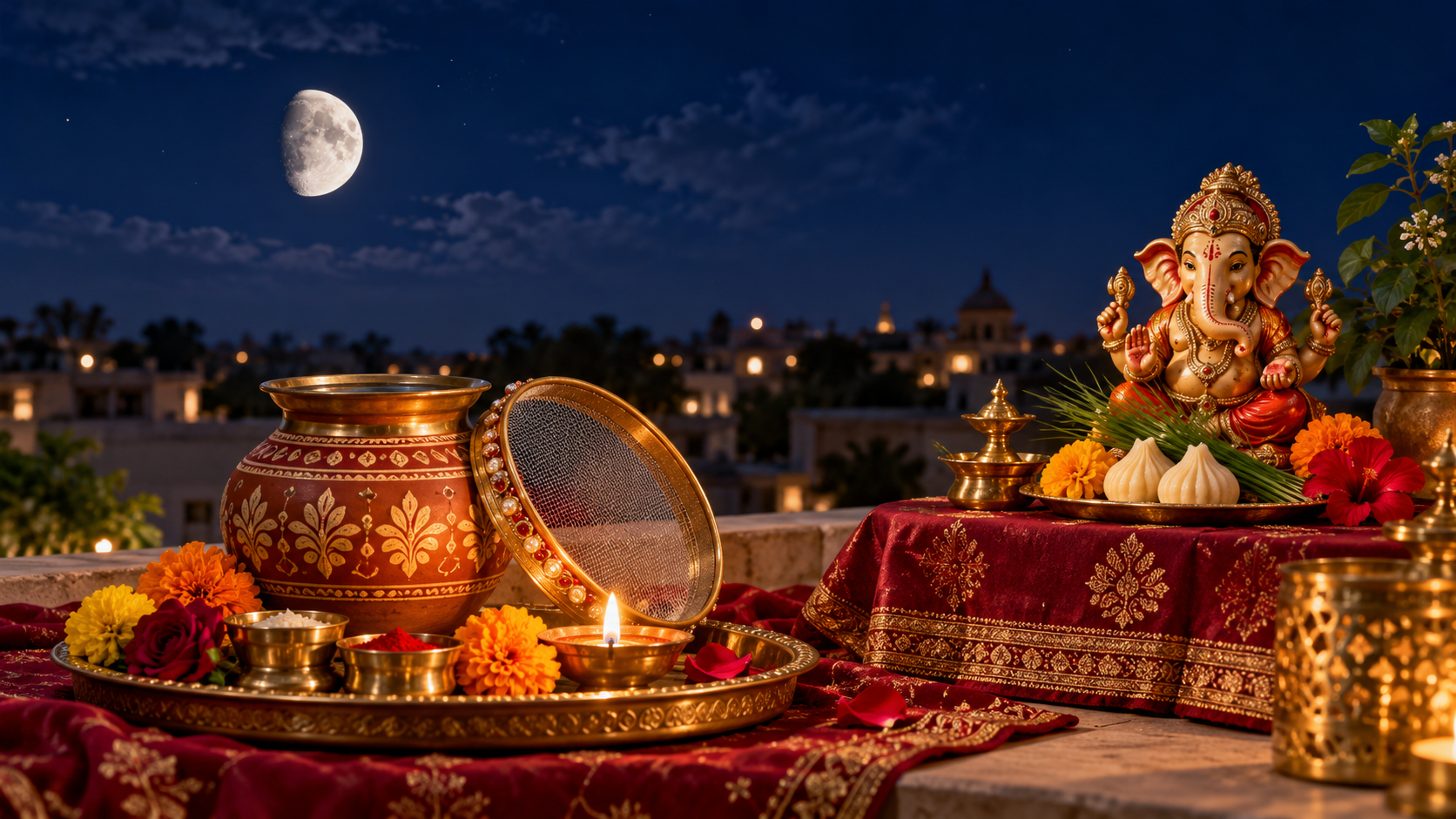
Why Karwa Chauth and Vakratunda Sankashti Chaturthi share 29 October 2026, with distinct rituals, regional customs and New Delhi moonrise timings.
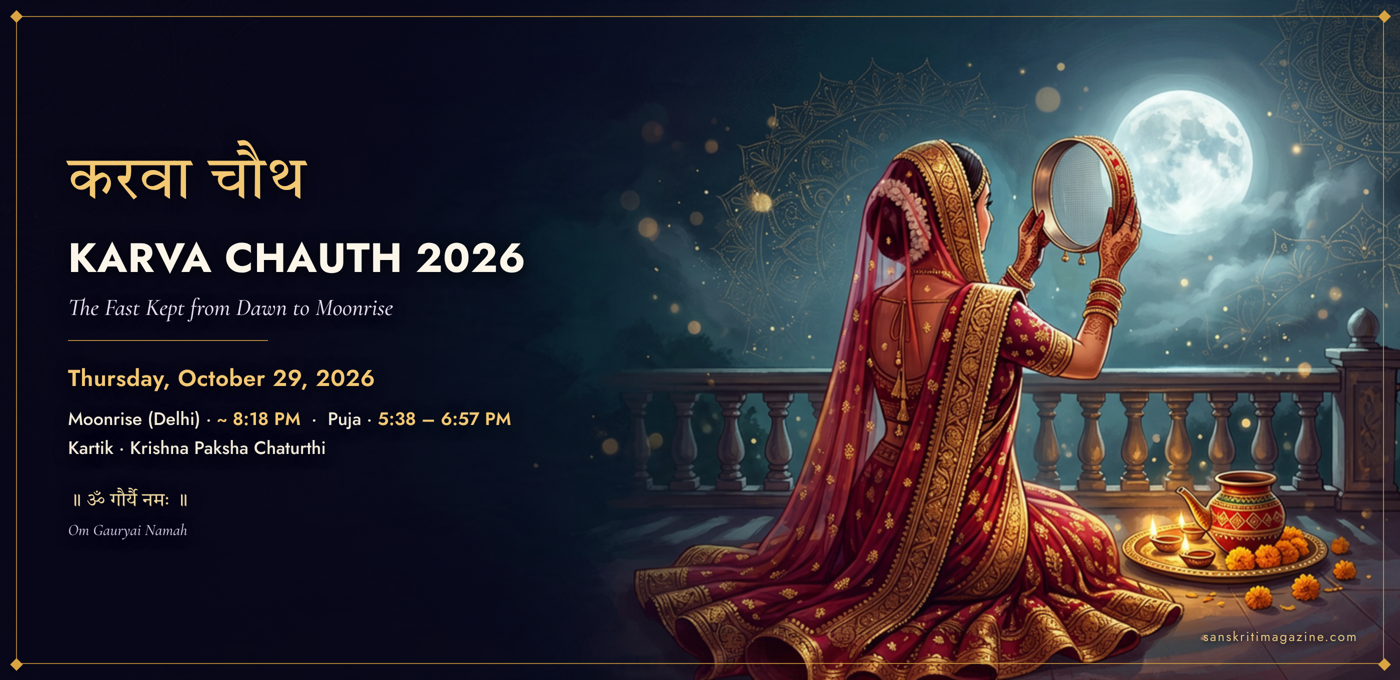
Karva Chauth 2026 is Thursday, Oct 29 — Delhi moonrise ~8:18 PM. Puja muhurat, the sargi-to-moon ritual, and the stories of Veervati, Karva and Draupadi.