Siddha Kunjika Stotram
Siddha Kunjika Stotram is the most powerful and favorite stotra of the DEVI Para Shakti. It is the essence of Chandi, the Navarna Mantra, the constant reminder that

Siddha Kunjika Stotram is the most powerful and favorite stotra of the DEVI Para Shakti. It is the essence of Chandi, the Navarna Mantra, the constant reminder that
[hr] Bhavani is a ferocious aspect of the Hindu goddess Parvati. Bhavani means “giver of life”, the power of nature or the source of creative energy. In addition to
[hr] ight=”450″ frameborder=”0″ allowfullscreen=”allowfullscreen”> Chandrashekhara Ashtakam was written by Sage Markandeya, an ancient Hindu Rishi in praise of Lord Shiva, who saved him from the
Goddess Annapoorna or Annapurna Devi is the Goddess of food and an incarnation of Goddess Parvati. She is the symbolism of providence, prosperity and charity.
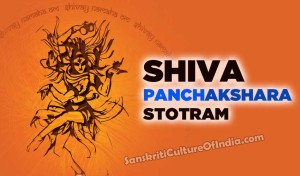
Composed by Sri Adi Shankaracharya, the Panchakshara stotram is based on the moolmantra of Lord Shiva – “Nama Shivaya”. Each stanza starts with the five
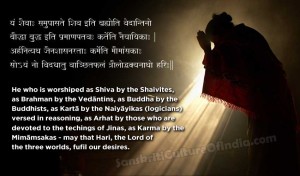
He who is worshiped as Shiva by the Shaivites, as Brahman by the Vedãntins, as Buddha by the Buddhists, as Kartã by the Naiyãyikas (logicians)

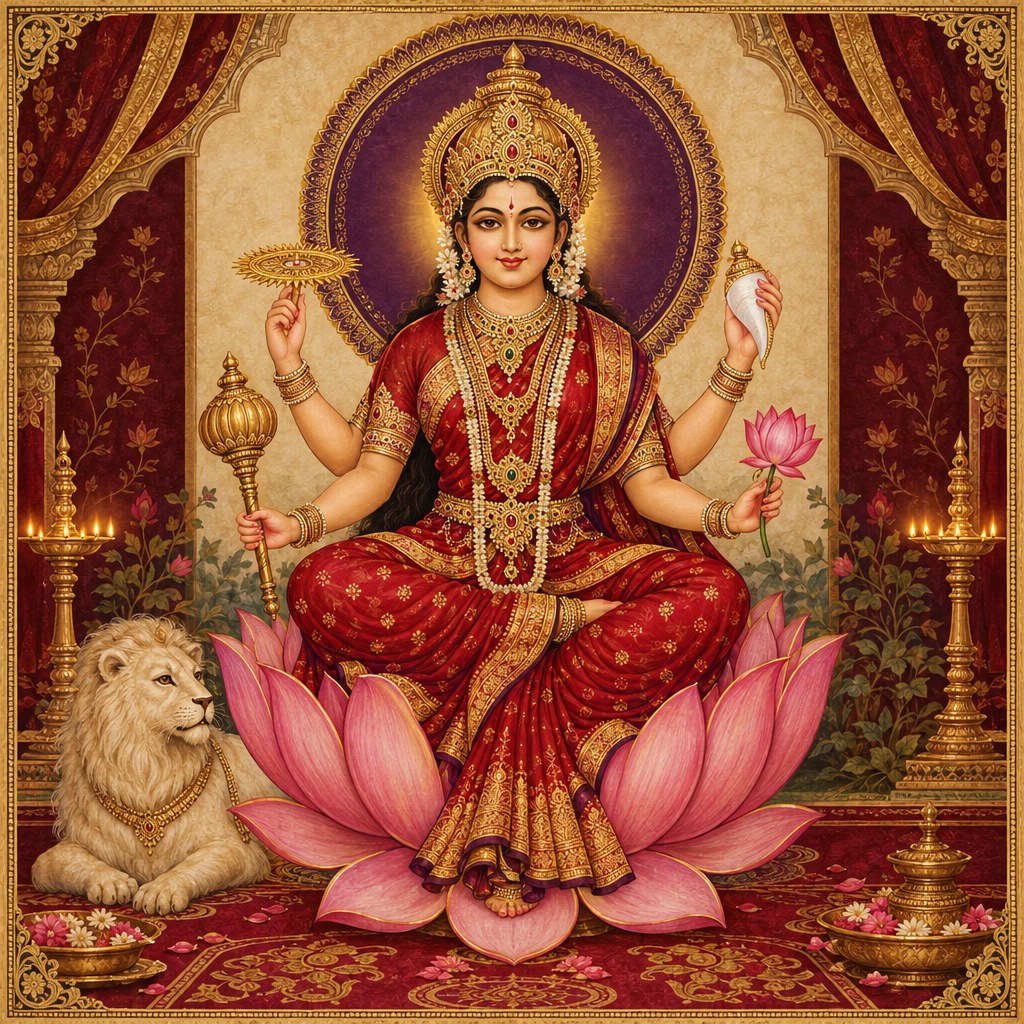
Explore Maa Siddhidatri’s form, meaning and symbols, with a simple Navratri reflection and a practice you can carry into daily life.
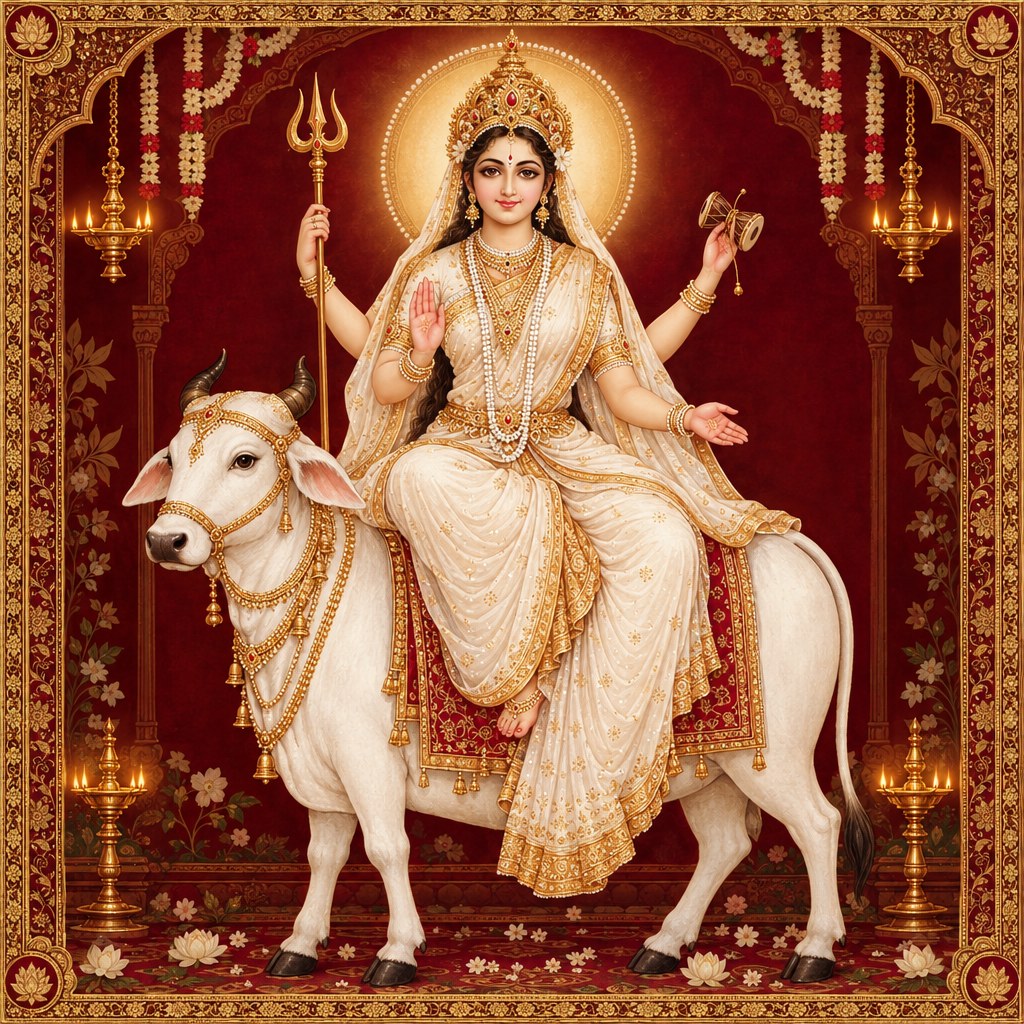
Explore Maa Mahagauri’s form, meaning and symbols, with a simple Navratri reflection and a practice you can carry into daily life.
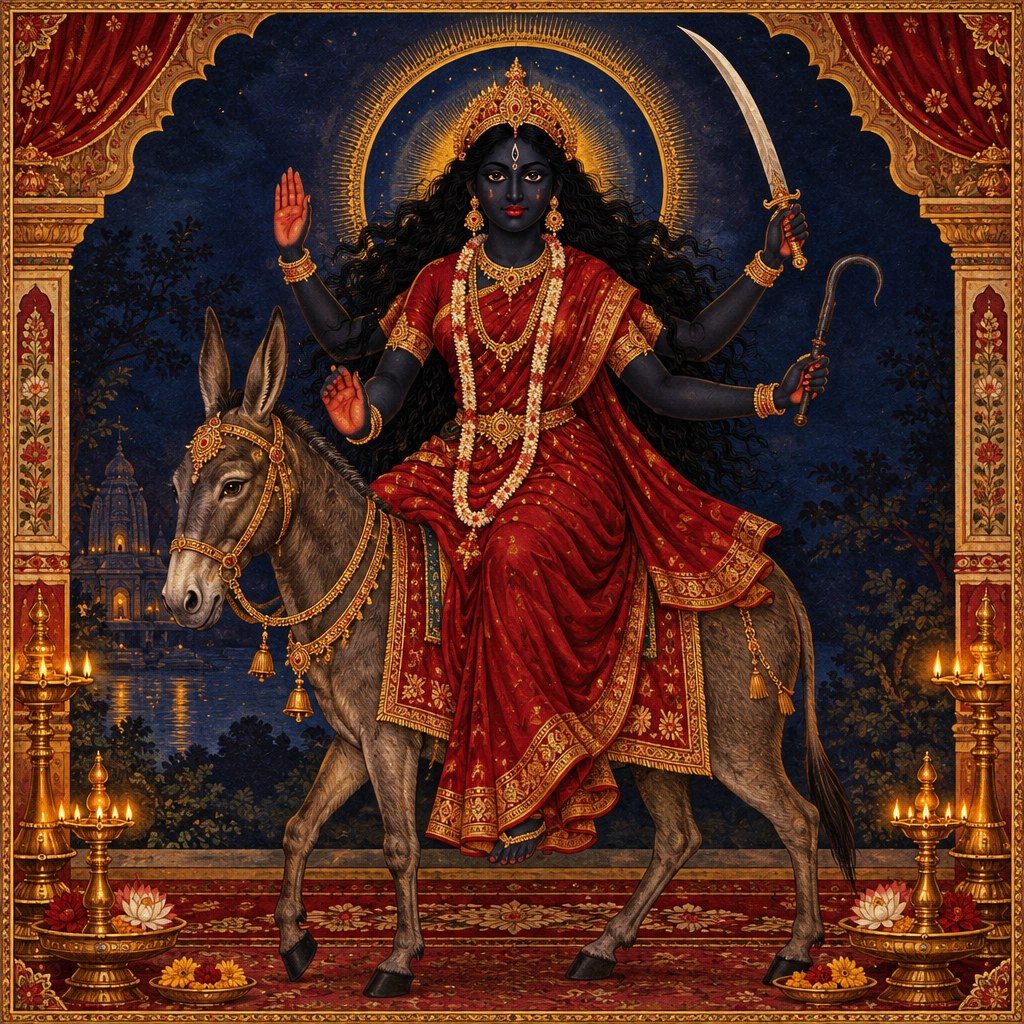
Explore Maa Kalaratri’s form, meaning and symbols, with a simple Navratri reflection and a practice you can carry into daily life.
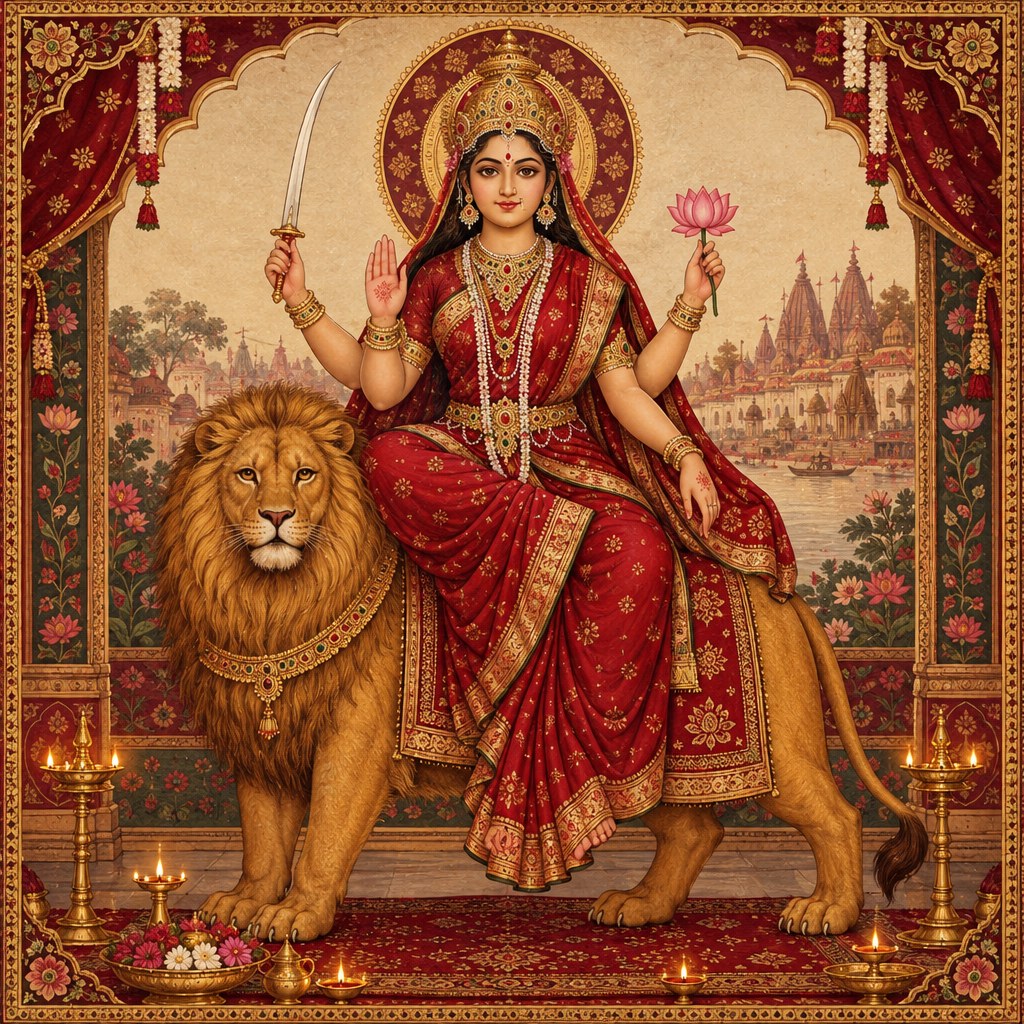
Explore Maa Katyayani’s form, meaning and symbols, with a simple Navratri reflection and a practice you can carry into daily life.
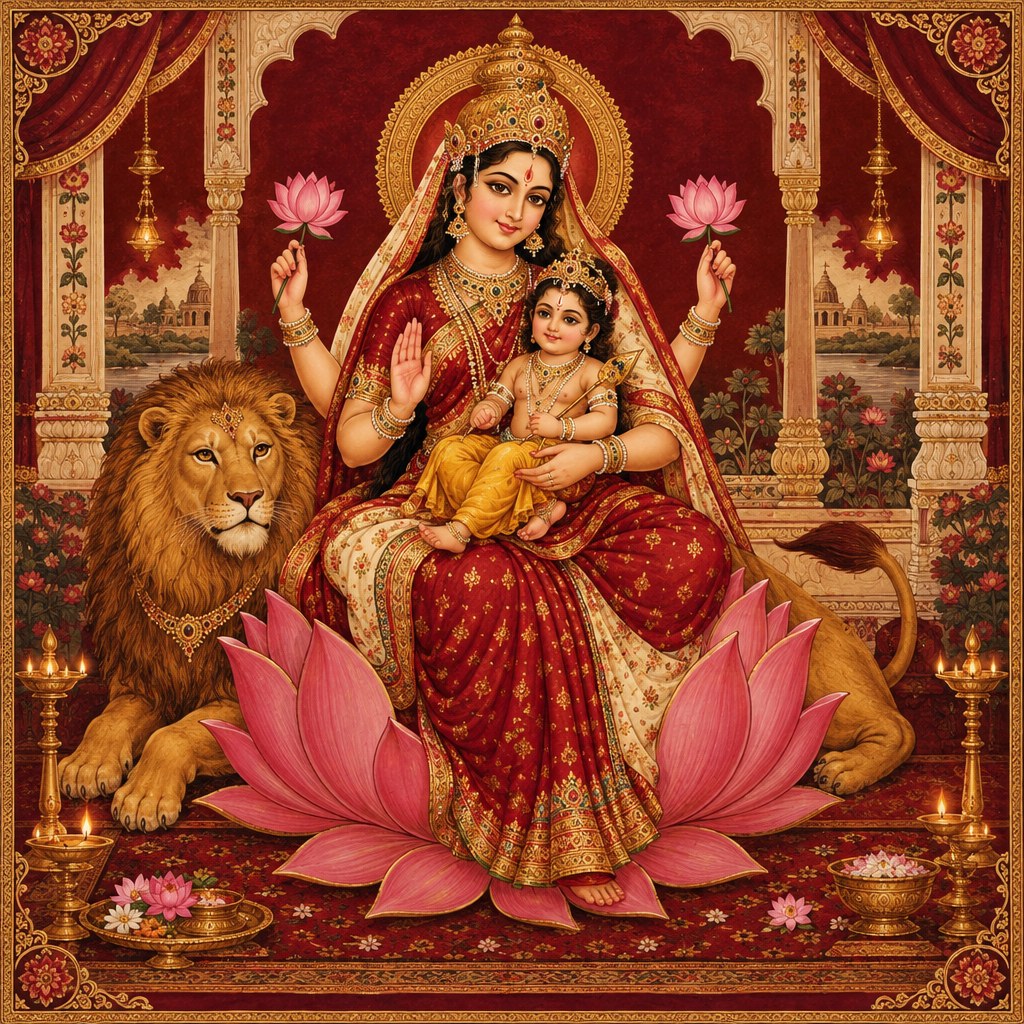
Explore Maa Skandamata’s form, meaning and symbols, with a simple Navratri reflection and a practice you can carry into daily life.

