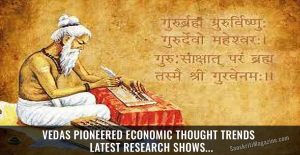
Vedas Pioneered Economic thought trends latest research shows..
The history of economic thoughts begins with paying tributes to 4th century BCE Greek philosophers Plato and Aristotle, but the history of Indian economic thoughts

The history of economic thoughts begins with paying tributes to 4th century BCE Greek philosophers Plato and Aristotle, but the history of Indian economic thoughts
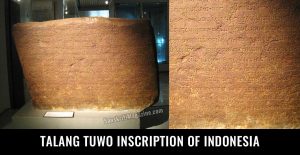
Talang Tuwo inscription is a 7th-century Srivijaya inscription discovered by Louis Constant Westenenk on 17 November 1920, on the foot of Bukit Seguntang near Palembang,
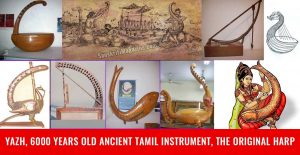
The Yazh (Tamil: யாழ், also transliterated yaaḻ) is an Indian harp used in ancient Tamil music which was the ancestor of modern day veena. It
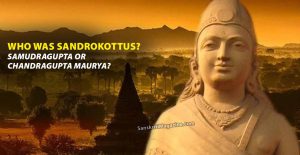
Alexander, during his invasion on Persian Empire and some parts of western India, has carried some Greek scholars like Baeto, Diognetos, Nearchos, Onesikritos, Aristoboulos, and

History makes us believe that it had been Raja Ramdev of Pandva dynasty first who built the original Martand temple in 3007 BC. devoted to

One of the greatest vyakarana shastra and veda pandit of Andhra Pradesh, India was Brahmasri Dandibhatla Vishwanatha Sastry from Rajahmundry. He was invited by few


Bhadrapada begins today in North India, opening a lunar month that moves from the midnight

The 12 Jyotirlingas of Lord Shiva — where each stands, its sacred story, and how to make the Dwadasha Jyotirlinga pilgrimage in person or in spirit this Shravan.

The Rudrabhishek is the abhishekam said to please Lord Shiva fastest. What it is, the meaning of each sacred substance, the Sri Rudram, and how it is performed at home this Shravan.

Shravan runs July 30–Aug 27 in 2026, with four Sawan Somwars (Aug 3, 10, 17, 24). Why the whole month belongs to Mahadeva — the churning of the ocean, the poison He drank, and how to keep the Sawan vrat.

Thiruvonam 2026 falls on Wednesday, August 26 — the crown of Kerala’s ten-day festival. The Bhagavata story of King Mahabali and the Vamana avatar, and why Onam is a homecoming, not a defeat.

