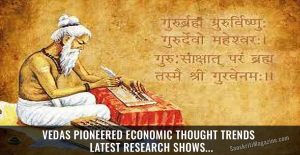
Vedas Pioneered Economic thought trends latest research shows..
The history of economic thoughts begins with paying tributes to 4th century BCE Greek philosophers Plato and Aristotle, but the history of Indian economic thoughts

The history of economic thoughts begins with paying tributes to 4th century BCE Greek philosophers Plato and Aristotle, but the history of Indian economic thoughts
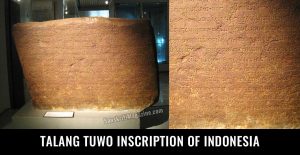
Talang Tuwo inscription is a 7th-century Srivijaya inscription discovered by Louis Constant Westenenk on 17 November 1920, on the foot of Bukit Seguntang near Palembang,
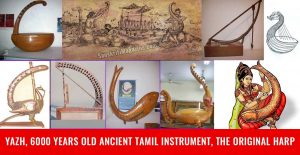
The Yazh (Tamil: யாழ், also transliterated yaaḻ) is an Indian harp used in ancient Tamil music which was the ancestor of modern day veena. It
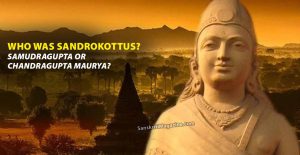
Alexander, during his invasion on Persian Empire and some parts of western India, has carried some Greek scholars like Baeto, Diognetos, Nearchos, Onesikritos, Aristoboulos, and

History makes us believe that it had been Raja Ramdev of Pandva dynasty first who built the original Martand temple in 3007 BC. devoted to

One of the greatest vyakarana shastra and veda pandit of Andhra Pradesh, India was Brahmasri Dandibhatla Vishwanatha Sastry from Rajahmundry. He was invited by few


The last Ekadashi before Navratri — and why this one carries extraordinary power for the

One of the most common questions people ask about Hinduism is also one of the

We are delighted to present the 2026 Sanskriti Calendar – a thoughtfully curated blend of timekeeping and

History remembers the empires that towered over the subcontinent. What often gets lost are the

On 11 September 1893, Swami Vivekananda’s “Sisters and Brothers of America” reset the world’s conversation on faith and fellowship. More than a century later, his call for universal brotherhood, respect for diversity, and service over ritual feels newly urgent. In a polarised, hyper-connected age, Vivekananda offers a practical ethic: expand, don’t contract—build character, seek truth, and serve the weakest first.

