
Freedom did not come at midnight
The principal architects of India’s independence are not the usual suspects. A persistent Indian myth gleefully accepted as truth by the country’s liberals and Macaulayites

The principal architects of India’s independence are not the usual suspects. A persistent Indian myth gleefully accepted as truth by the country’s liberals and Macaulayites

Xuanzang, world-famous for his sixteen-year pilgrimage to India and career as a translator of Buddhist scriptures, is one of the most illustrious figures in the

He was a true maverick. In 1908 he published an anonymous article in his modest Urdu journal, Urdū-e-Mu’allā (circulation 500), which severely criticized the British colonial policy
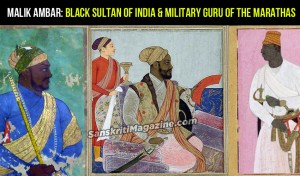
India abounds in throwing up colourful personalities from its chequered pages of history. It is not often easy to cope with the shifting patterns and

Very few people know that, numbering over one crore and spread in the areas of Jharkhand, Bengal and Chhatisgarh, Satnamis are those Sikhs who had

An account of ruling dynasties is not a History of India, and it is necessary that we should try to form a more distinct notion


The 12 Jyotirlingas of Lord Shiva — where each stands, its sacred story, and how to make the Dwadasha Jyotirlinga pilgrimage in person or in spirit this Shravan.

The Rudrabhishek is the abhishekam said to please Lord Shiva fastest. What it is, the meaning of each sacred substance, the Sri Rudram, and how it is performed at home this Shravan.

Shravan runs July 30–Aug 27 in 2026, with four Sawan Somwars (Aug 3, 10, 17, 24). Why the whole month belongs to Mahadeva — the churning of the ocean, the poison He drank, and how to keep the Sawan vrat.

Thiruvonam 2026 falls on Wednesday, August 26 — the crown of Kerala’s ten-day festival. The Bhagavata story of King Mahabali and the Vamana avatar, and why Onam is a homecoming, not a defeat.
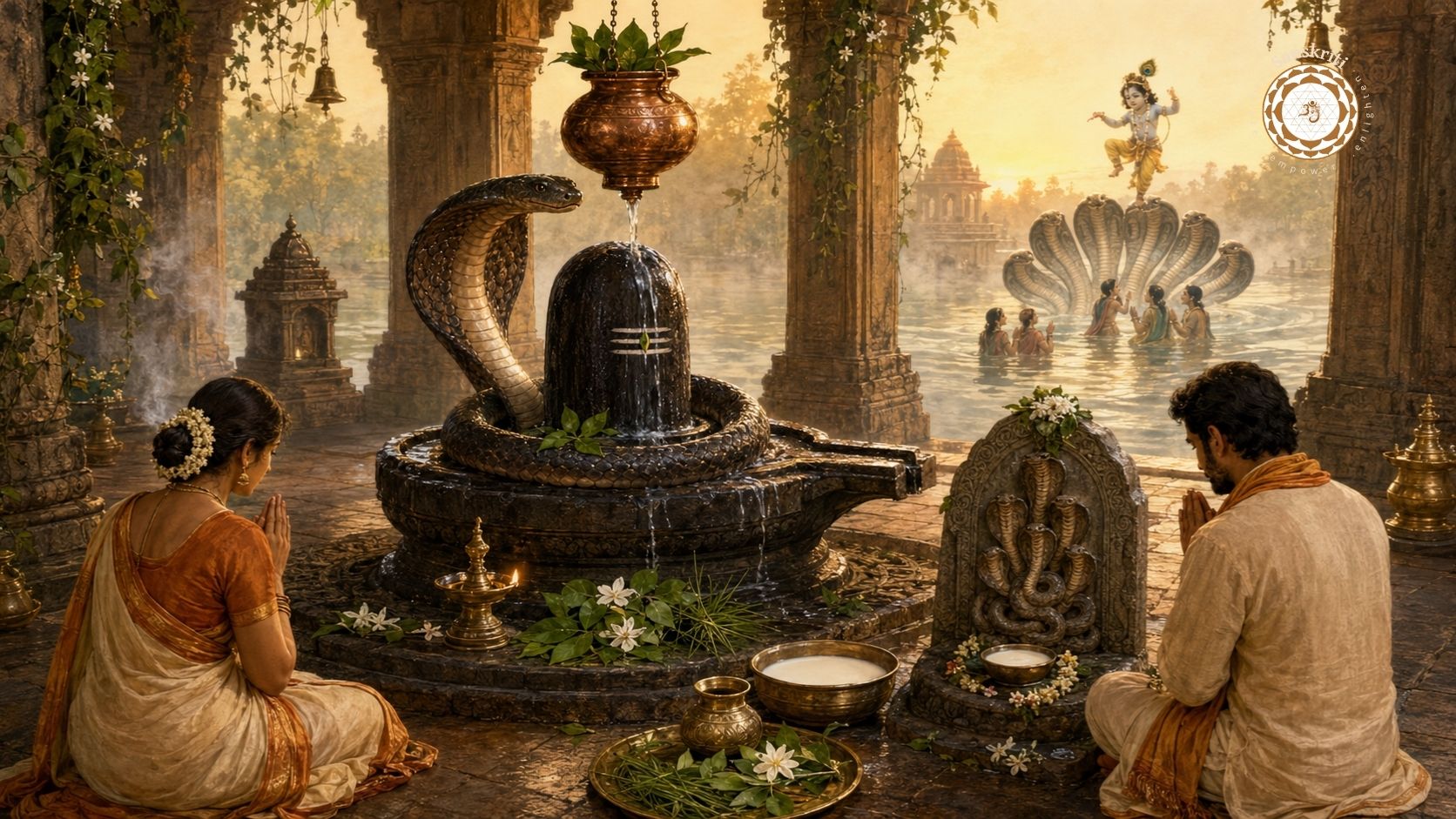
On Monday, August 17, 2026 — a Shravan Monday — Hindus offer milk and prayers to the serpent. The stories of Shesha, Vasuki, Kaliya and Astika, and the puja vidhi for Nag Panchami.

