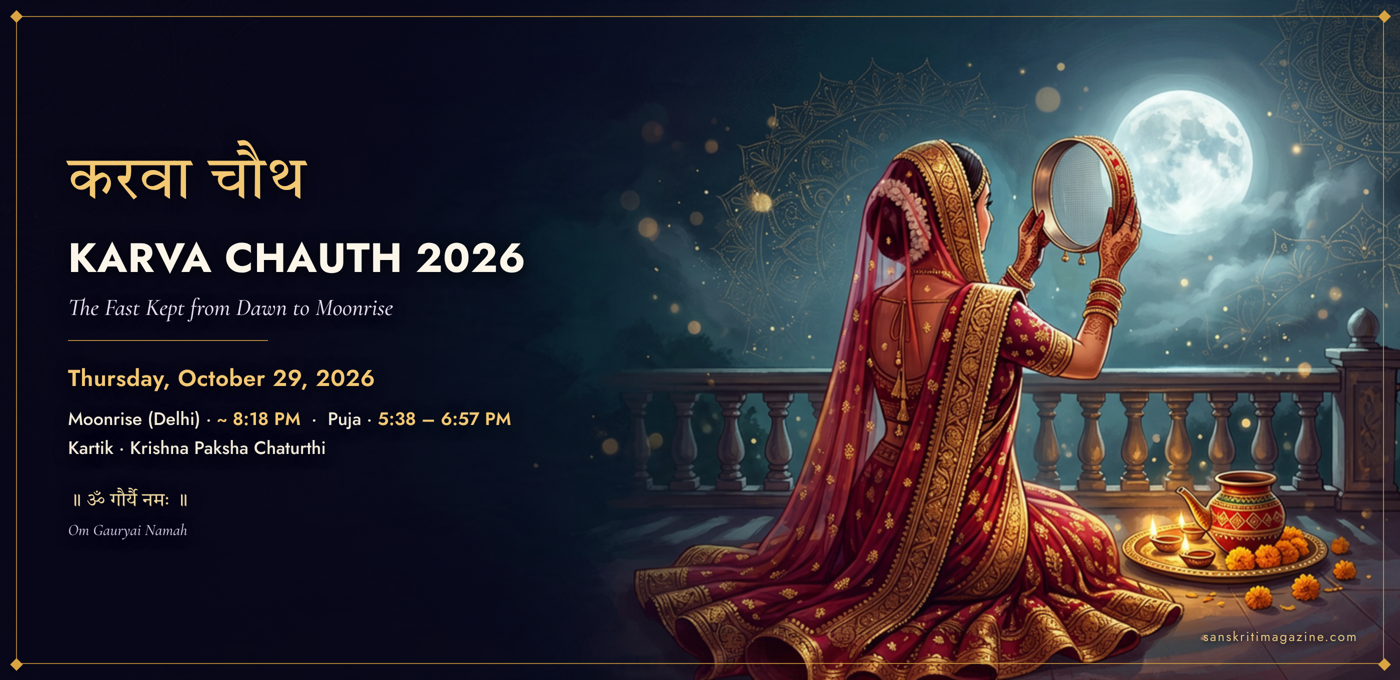
Karwa Chauth and Vakratunda Sankashti Chaturthi both fall on Thursday, 29 October 2026 in the New Delhi calendar. Why do they share a date? Both belong to the same Krishna Paksha Chaturthi, the fourth tithi of the waning fortnight.
Their calendar connection does not make them the same vrat. Karwa Chauth centres on prayers for marital wellbeing. Vakratunda Sankashti centres on Ganesha. Moonrise connects their observances, while each retains its own customs.
29 October 2026: date, tithi and moonrise
The following timings come from Drik Panchang and apply to New Delhi, in Indian Standard Time.
| Event | New Delhi timing |
|---|---|
| Chaturthi begins | 1:06 AM, 29 October |
| Chaturthi ends | 10:09 PM, 29 October |
| Karwa Chauth evening puja | 5:38 PM–6:56 PM |
| Moonrise for both observances | 8:17 PM |
The evening puja window and moonrise are separate stages. Completing Karwa Chauth puja does not mark the usual fast-breaking time. See the dated Karwa Chauth calendar for the published calculations.
Use a panchang set to your city. Delhi’s moonrise is not a nationwide timing. Clouds, buildings and your horizon can also affect when you actually see the Moon.
Why Kartika and Ashwina describe the same day
In the Purnimanta calendar, this is Kartika Krishna Chaturthi. In the Amanta calendar, it is Ashwina Krishna Chaturthi. These systems name lunar months differently. Here, they describe the same waning fortnight, rather than two separate festival dates.
Drik Panchang’s Vakratunda calendar identifies both the month-name difference and the shared observance. This overlap follows the lunar calendar. It does not, by itself, establish a rare planetary event or promise multiplied spiritual rewards.
Karwa Chauth: family prayers and evening worship
Married women traditionally keep Karwa Chauth for their husbands’ wellbeing and long life. Many observe a nirjala fast, without food or water, from sunrise until moonrise.
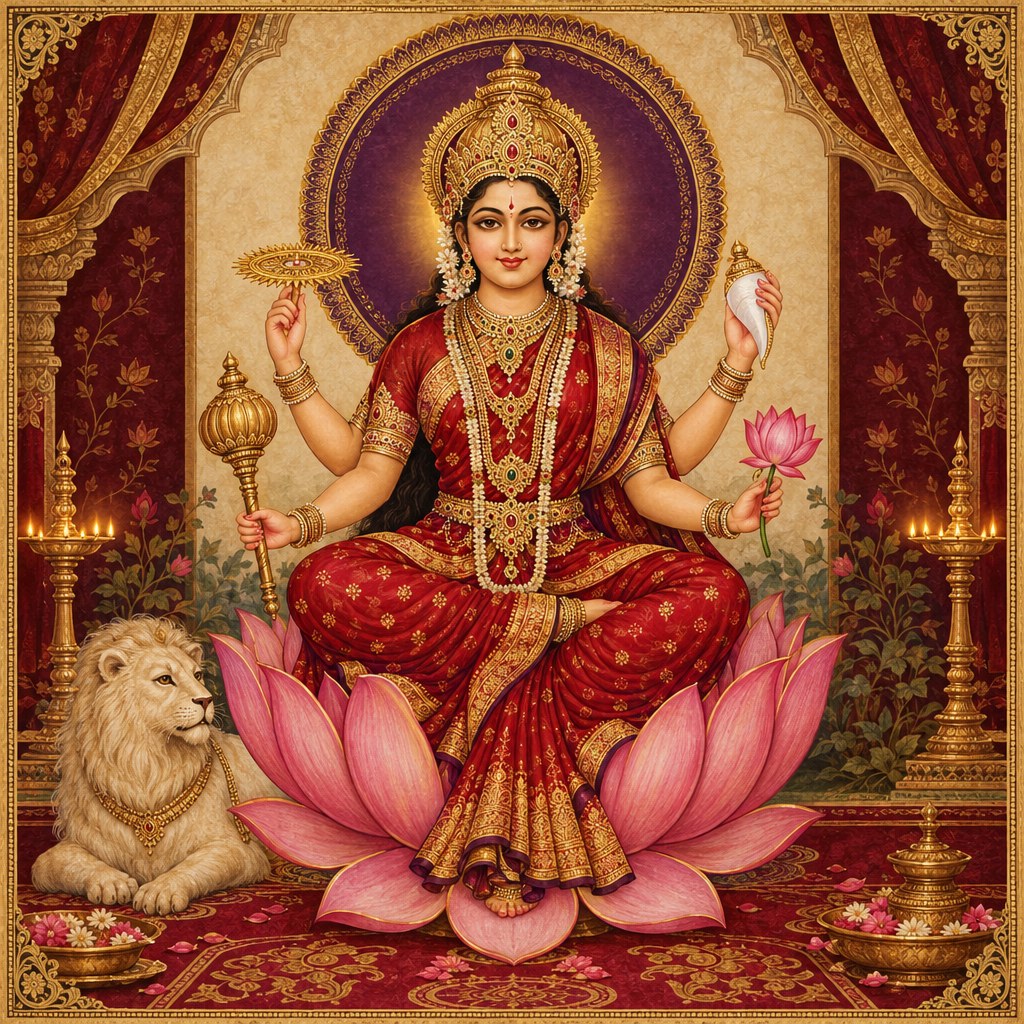
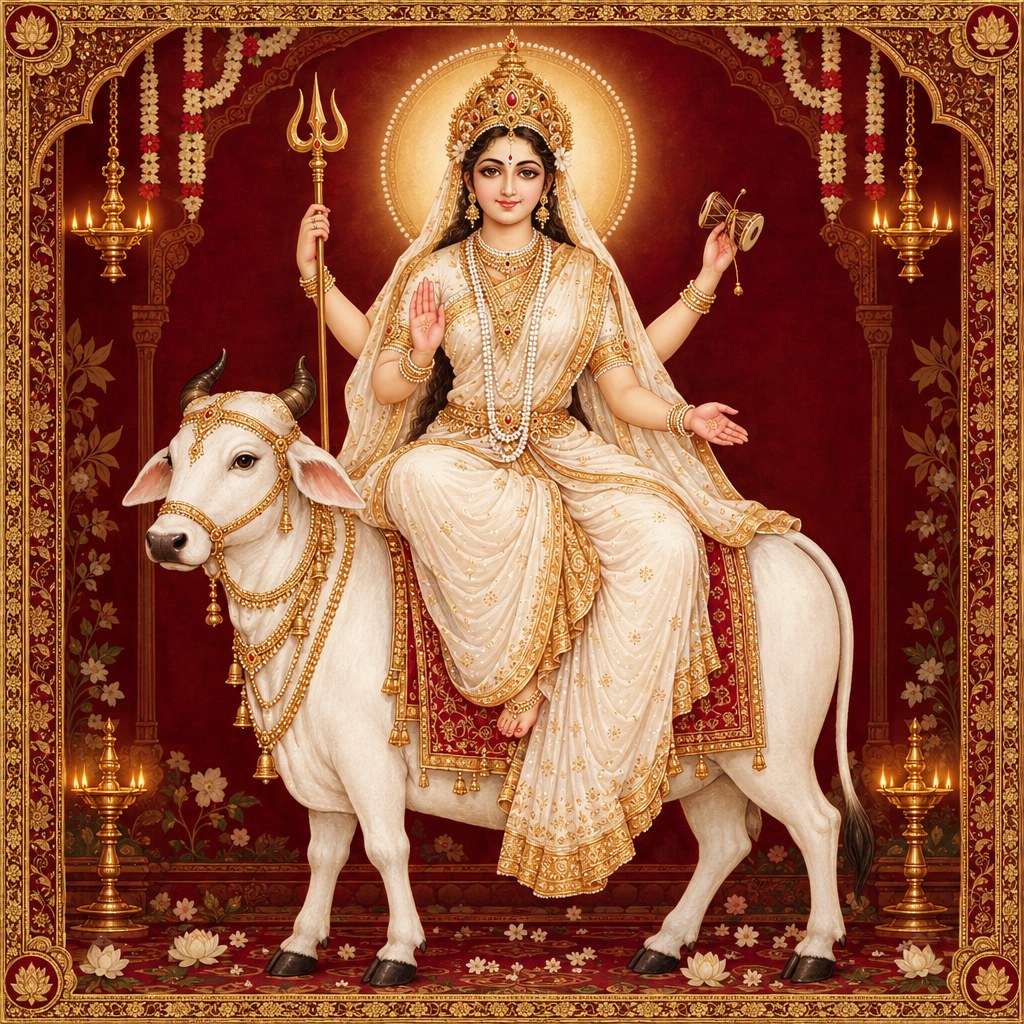
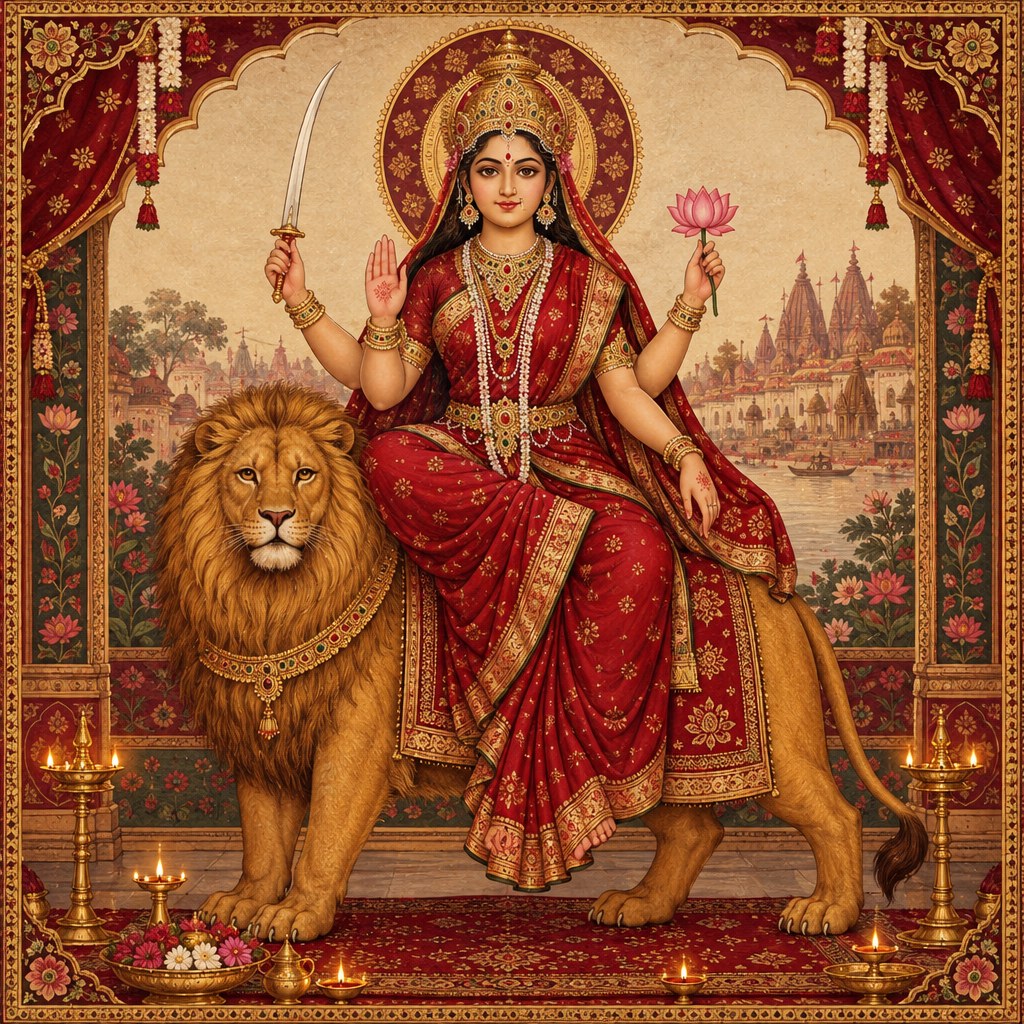
- Evening worship commonly honours Parvati, with Shiva, Ganesha and Kartikeya also included.
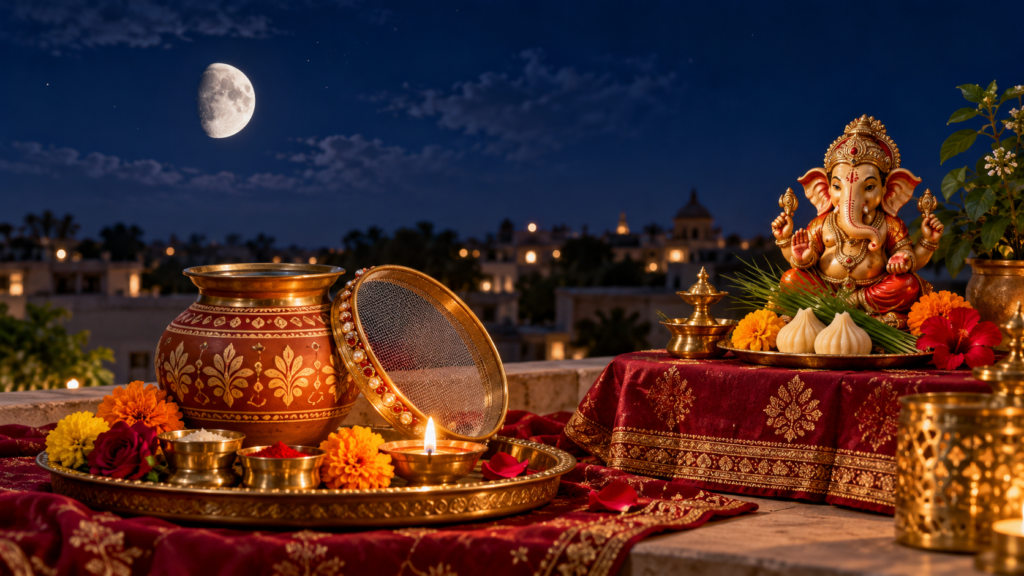
- The karwa, a ritual water vessel, and the vrat katha form part of household observances.
- At moonrise, devotees offer arghya, a water offering, before completing the fast.
- Many families follow the sequence of viewing the Moon through a sieve, then the husband, who offers water.
The sieve custom is familiar, but practices differ. Drik Panchang’s observance guide describes the festival’s North Indian setting and principal rites.
Vakratunda Sankashti: devotion to Ganesha
Vakratunda is the Ganesha form honoured in this month’s Sankashti observance. Devotees seek Ganesha’s blessings in overcoming difficulties. This is a devotional belief, not a guaranteed outcome.
- Ganesha worship, prayer and the vrat katha guide the observance.
- Fasting customs can allow fruit, roots and foods such as sabudana, potatoes and peanuts.
- Devotees complete the fast after moon sighting and the prescribed prayers.
The Sankashti calendar and fasting guide explains that Chaturthi prevailing at local moonrise determines the observance.
Regional practices differ
Karwa Chauth has strong roots in northern India. Punjabi households often include pre-dawn sargi and communal thali rituals. Some Rajasthani families include Chauth Mata worship. These are family and community practices, not identical rules for every household. See this regional overview.
Sankashti is especially observed in Maharashtra and Tamil Nadu. Tamil Hindus also call it Sankatahara Chaturthi. It is not restricted to married women.
Why is the Moon visible on Krishna Chaturthi?
Krishna Paksha means the Moon is waning, not invisible. This Chaturthi follows the full Moon. A waning gibbous Moon remains visible and rises after sunset, as NASA’s Moon phase guide explains. A thin crescent would misrepresent this stage.
If your household observes both vrats, preserve each tradition’s prayers and customs. A shared moonrise does not make their puja sequences interchangeable.