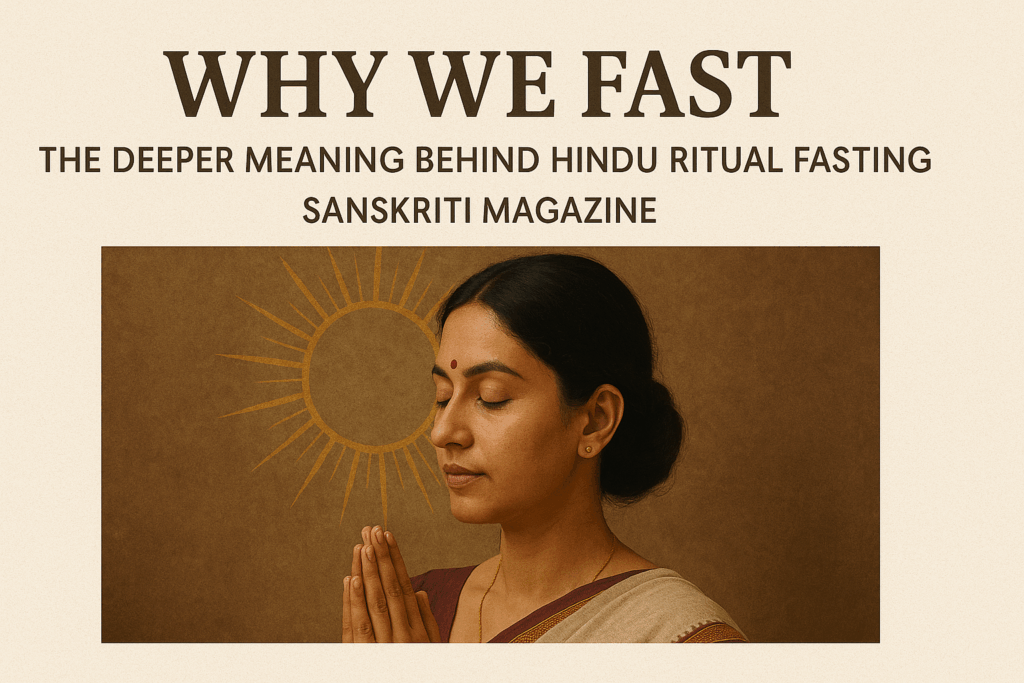
Fasting has always been a part of Indian tradition. From Ekadashi to Navratri, from Karva Chauth to Shivratri, almost every festival carries some form of fasting. But why do we fast? Is it only about food restrictions, or does it hold something deeper?
Beyond Food: A Discipline of Mind and Body
- Fasting is not only about avoiding meals. It’s about self-control.
- By resisting cravings, you train the mind to become stronger than the senses.
- Ancient texts describe fasting as a way to purify both body and thought.
A Pause for the Body
- Fasting gives the digestive system a break.
- Traditional fasting foods—like fruits, milk, nuts, and light grains—help in detoxification.
- Science today supports this idea. Short periods of fasting improve metabolism, immunity, and energy balance.
A Bridge to the Divine
- In many rituals, fasting is seen as an offering of self-discipline to the divine.
- It makes the devotee more alert, focused, and calm—ideal states for prayer and meditation.
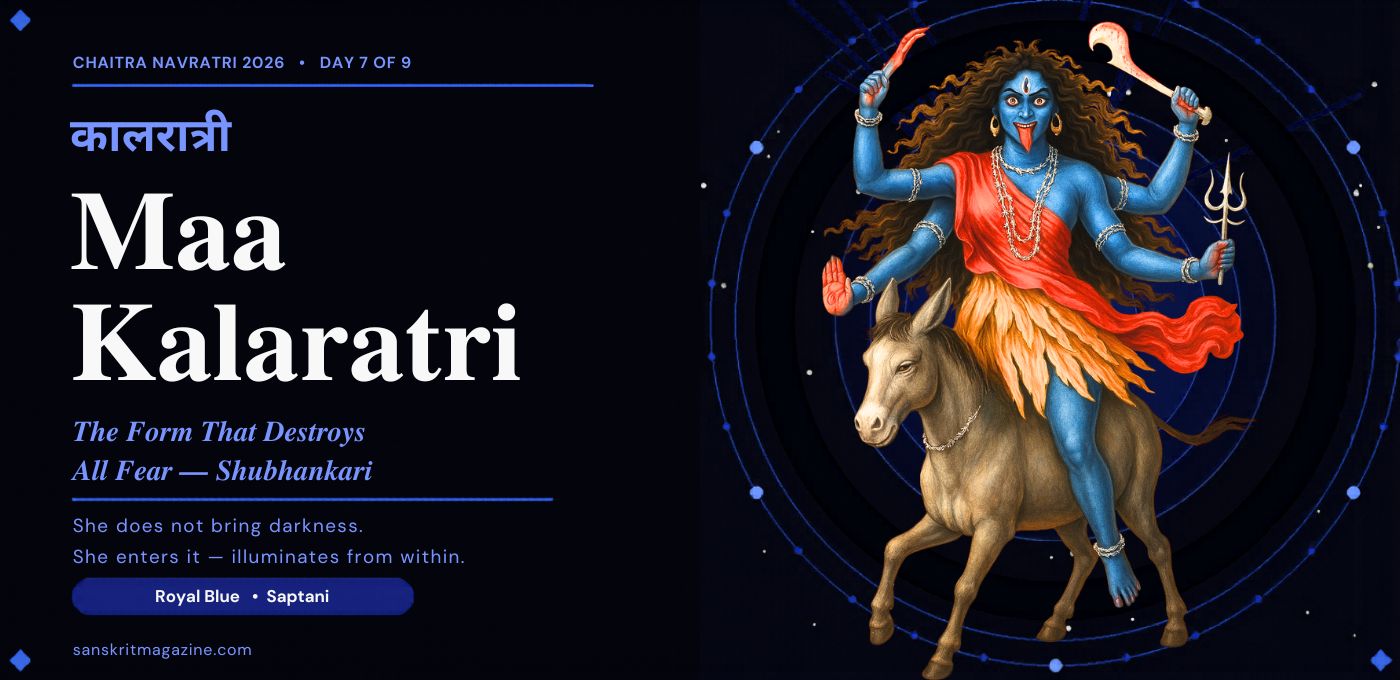
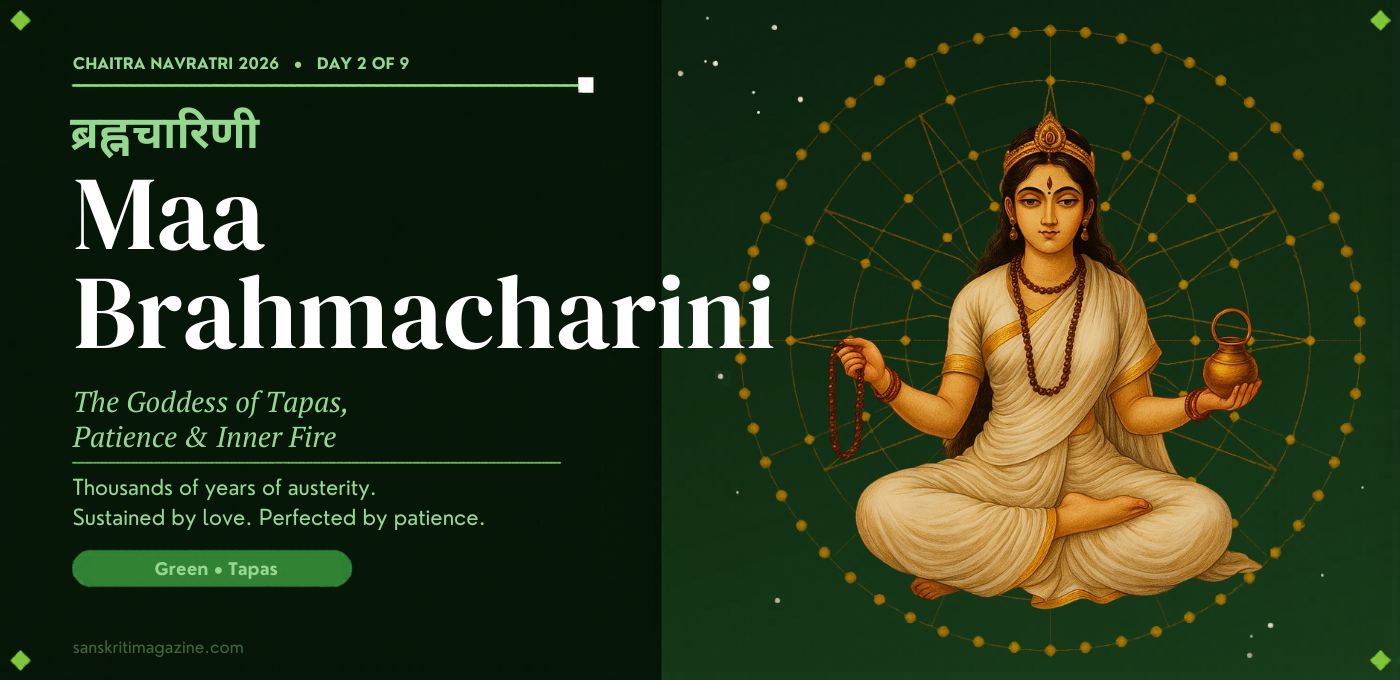
- During Navratri, fasting symbolizes surrender to the nine forms of Durga. On Shivratri, it reflects complete devotion to Shiva.
Social and Seasonal Logic
- Many fasts are tied to seasons and harvest cycles.
- For example, Ekadashi fasting falls just before the new or full moon—times when digestion is believed to be weaker.
- Fasting before or during monsoons prevented overindulgence at a time when digestion slows and waterborne diseases are common.
A Personal Connection
- Ask yourself: what does fasting mean to you?
- Is it a spiritual offering, a way of discipline, or a health reset?
- In today’s world, where distractions are constant, fasting is a reminder to pause, reflect, and reconnect with purpose.
The Deeper Meaning
Fasting is not deprivation. It is choice.
It is the power to say no to the unnecessary so you can say yes to the meaningful.