
Swine Influenza (H1N1) is a respiratory disease of pigs caused by type A influenza virus. It is commonly known as Swine Flu and Pig Flu. This disease is dangerous for pigs as well as humans.
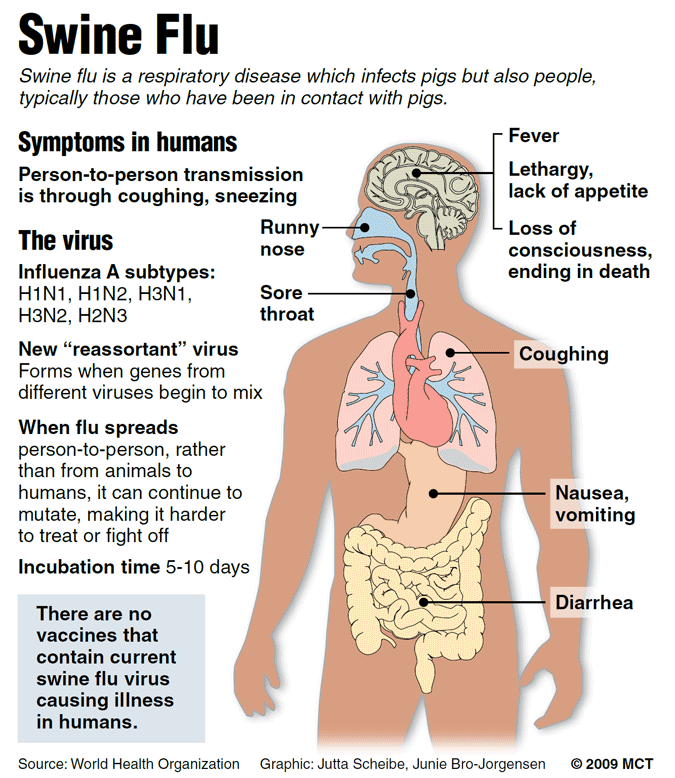
The influenza virus in pigs causes them high level of illness and symptoms like runny nose, cough, decreased appetite and lethargy. The virus spreads from pig to pig.
However, it can also be directly transmitted to the humans as well by direct contact with the infected pigs.
The disease is contagious and dangerous leading to deaths among the human beings. It can also be transmitted from person to person. The virus of this disease spreads by just sneezing, coughing or coming in direct contact with the infected person.
Symptoms in humans:
H1N1 causes a person undergo fever, headache, body ache, cold, cough, sore throat, runny nose, vomiting or diarrhea etc. It is recommended to visit the doctor as soon as a person suffers any of these symptoms.
The Government of India has provided with ‘Tamiflu‘ as an anti viral drug for the prevention or the treatment from/for the disease. The drug is available at 10,000 medical stores across the nation.
Preventive Steps for Swine Flu (H1N1):
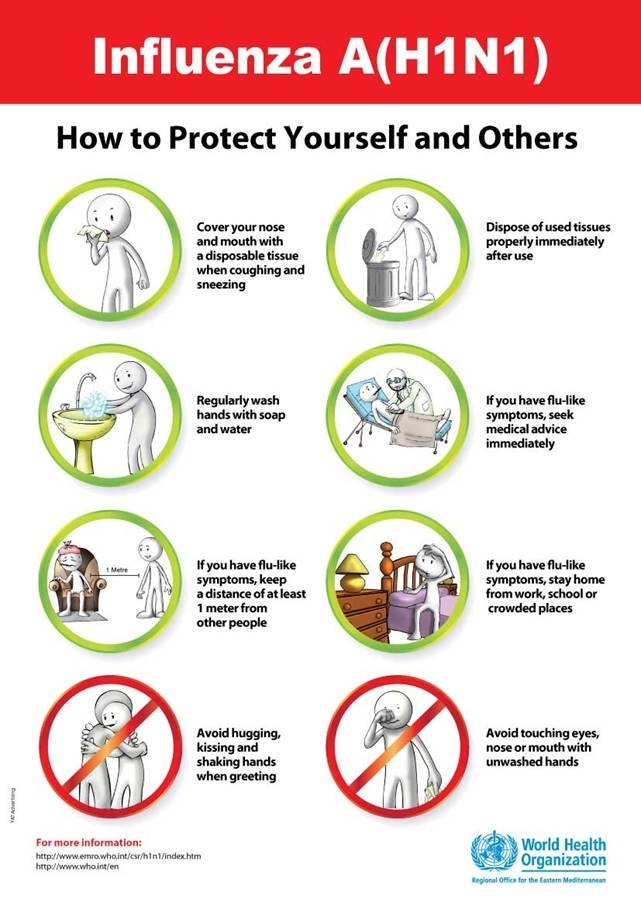
- The best way to prevent yourself from Swine Flu is to get flu vaccination or flu shot on annual basis. This protects your body from getting infected by the disease;
- Wash your hands properly using soap or sanitiser. This prevents the germs to get into the body and infect us. It is very important to wash hands before intake of any meal;
- One of the most important preventive measure is to avoid contact with people suffering from swine flu. Coming in contact with the infected person may lead you to catch the virus;
- Although, the flu does not spread through food. But it is important to have properly handled cooked food. The raw food must be properly washed and cooked;
- People who are prone to diseases are recommended to wear masks on mouth and nose so that they do not intake the virus from the environment.
Home Remedies for Swine Flu (H1N1):
Here are some easy steps you can take to tackle a flu virus of any kind, including swine flu. It is not necessary to follow all the steps at once. You can pick and choose a combination of remedies that suit you best. However, if you are already suffering from flu, these measures can help only up to an extent. And, if you have been infected by H1N1, visiting a hospital and staying in solitary confinement is a must.
-

Click to enlarge Have five duly washed leaves of Tulsi (known as Basil in English; medicinal name Ocimum sanctum) everyday in the morning. Tulsi has a large number of therapeutic properties. It keeps throat and lungs clear and helps in infections by way of strengthening your immunity.
- Giloi (medicinal name Tinospora cordifolia) is a commonly available plant in many areas. Take a one-foot long branch of giloi, add five to six leaves of Tulsi and boil in water for 15-20 minutes or long enough to allow the water to extract its properties. Add black pepper andsendha (salt used during religious fasts), rock or black salt, or Misri (crystalised sugar like lumps to make it sweet) according to taste. Let it cool a bit and drink this kadha (concoction) while still warm. It will work wonders for your immunity. If giloi plant is not available, get processed giloi powder from Hamdard or others, and concoct a similar drink once a day.
- Those who can take garlic, must have two pods of raw garlic first thing in the morning. To be swallowed daily with lukewarm water. Garlic too strengthens immunity like the earlier measures mentioned.
- Those not allergic to milk, must take a glass of hot or lukewarm milk every night with a small measure of haldi (turmeric).
- Aloe vera (gwarpatha) too is a commonly available plant. Its thick and long, cactus-like leaves have an odourless gel. A teaspoon gel taken with water daily can work wonders for not only your skin and joint pains, but also boost immunity.
- Take homeopathic medicines — Pyrogenium 200 and Inflenzium 200 in particular — five tablets three times a day, or two-three drops three times a day. While these are not specifically targeted at H1N1 either, these work well as preventive against common flu virus.
- Do Pranayam daily (preferably under guidance if you are already not initiated into it) and go for morning jog/walk regularly to keep your throat and lungs in good condition and body in fine fettle. Even in small measures, it will work wonders for your body’s resistance against all such diseases which attack the nose, throat and lungs, besides keeping you fit.
- Have citrus fruits, particularly Vitamin C rich Amla (Indian gooseberry) juice. Since freshAmla is not yet available in the market (not for another three to four months), it is not a bad idea to buy packaged Amla juice which is commonly available nowadays.
- Last but not the least, wash your hands frequently every day with soap and warm water for 15-20 seconds; especially before meals, or each time after touching a surface that you suspect could be contaminated with flu virus such as a door handle or a knob/handle, especially if you have returned from a public place or used public transport. Alcohol-based hand cleaners should be kept handy at all times and used until you can get soap and warm water.
(Home remedies by Neeraj Saxena)