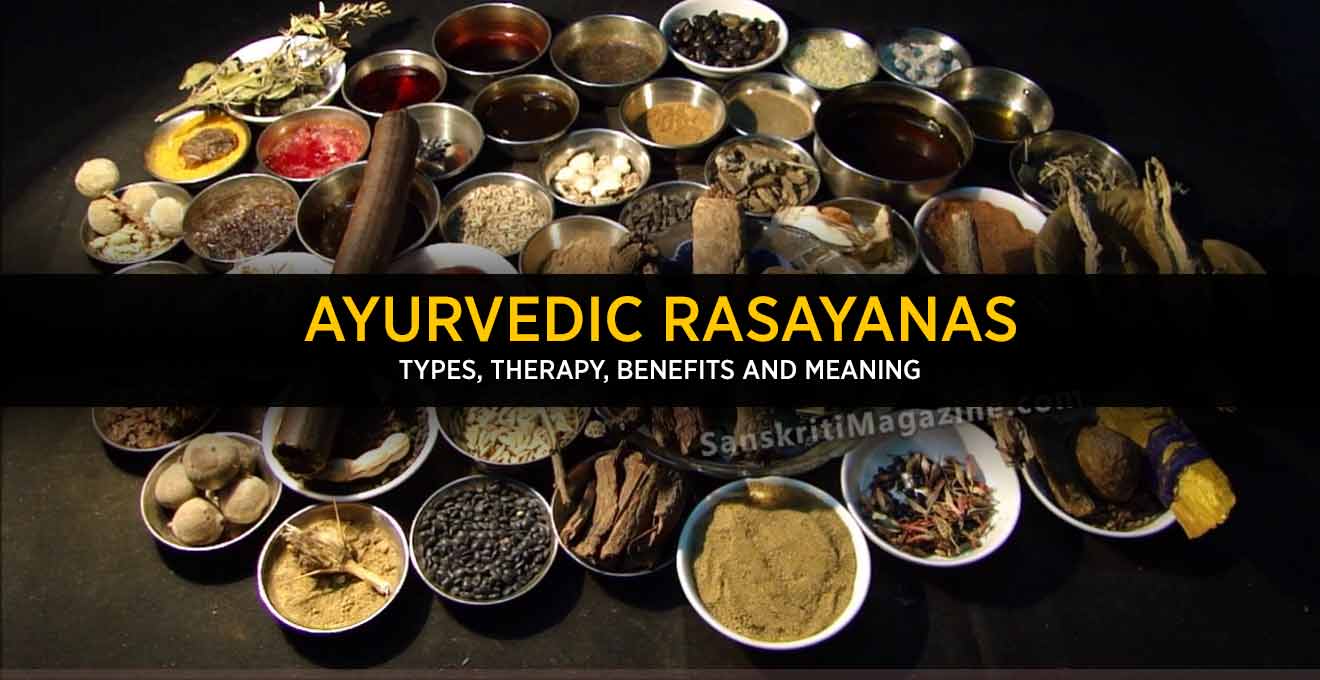
Triphala, widely used by natural Ayurvedic healers in India for thousands of years and contains 3 different fruits consisting of Harada (Terminalia chebula), Amla(Embiica officinalis) and Bihara (Terminalia bellirica). The word “Triphala” literally means “three fruits”, combination of these three fruits cleanses the gastro-intestinal tract in a natural and gentle way. In other words, our “bathroom experience” becomes a better one… !!
Why should we cleanse?
It’s always a good idea to cleanse! Get rid of toxins that build up in our bodies so that our bodies can function most efficiently and have that bright glowing skin we all crave and want! More energy and feel less bloated!
Benefits of Triphala:
Triphala protects the body organs such as the eyes, heart, and the skin. It is well-known for cleansing the body so that the energy present is channeled to all the organs. When found in its natural form, it can help to cleanse the colon, flush the toxins in the body, and it will keep the liver functioning in a proper manner. It has laxative properties and it can reduce the level of cholesterol in your body. Your digestive system, muscles, immune system, urinary tract, and lungs will all start functioning more efficiently with the help of this amazing medication. Triphala is known to help stop the growth of cancer cells that grow in the body. It also:
- detoxify and cleanses the colon of toxins
- removes excess fats
- purifies the blood
- removes toxins from the liver
- reduces some forms of cholesterol (serum cholesterol)
- reduces high blood pressure
- high nutritional value: including high levels of vitamin C
- high in antioxidants
- strengthens hair roots and enriches hair color
How to Use Triphala:
In order to reap the most possible benefits, you should try to take it twice per day. When you go to the market to buy this medication you should buy it in powder form.
Powder has the maximum benefits and it will have a larger effect on the body. If you find the powder form inconvenient, then you can utilize the Triphala tablets. One tablet consists of 1 tablespoon of the powder.
The powder form is cheaper, which is another reason to purchase it this way because you will get more for less.
Mix 1 tablespoon of Triphala with eight ounces of water or juice. Mix the powder completely with the fluid and then drink it up (one of the most common means is to make a tea from the powder). Also, remember that this medication should be taken 1 hour before you go to bed.
Uses of Triphala:
- Solves Digestive Problems:
There are laxative properties in this medication and this is why it can stimulate the lining of the intestinal and gastric tract to enhance the digestion process. Doctors recommend it to those people that suffer from constipation issues. Use of this medication on a regular basis can flush out all of the toxins from the intestinal tract. - Flatulence:
Those people that suffer from acidity use this medication. Using it every single day will dissolve the acids present in the stomach and will treat the flatulence. - Gout:
Triphala has anti-inflammatory features and this is why it is used for joint and gout issues. A gout occurs when there is an excessive amount of acid released from the joints. Triphala helps to remove the acid through urination. - Liver Disorders:
Pancreas and liver start functioning properly with this medication. It treats the sluggishness of liver and the bile ducts. It is great for helping the liver perform its physiological functions. Patients with hepatitis are also prescribed Triphala. - Nervous Disorders:
Individuals with Alzheimer’s use Triphala because it has toning and cooling properties. It is used to degenerate the nerves and repairs them to bring them back to their normal state.